



22/07/2026

Share:
22/07/2026
Share:
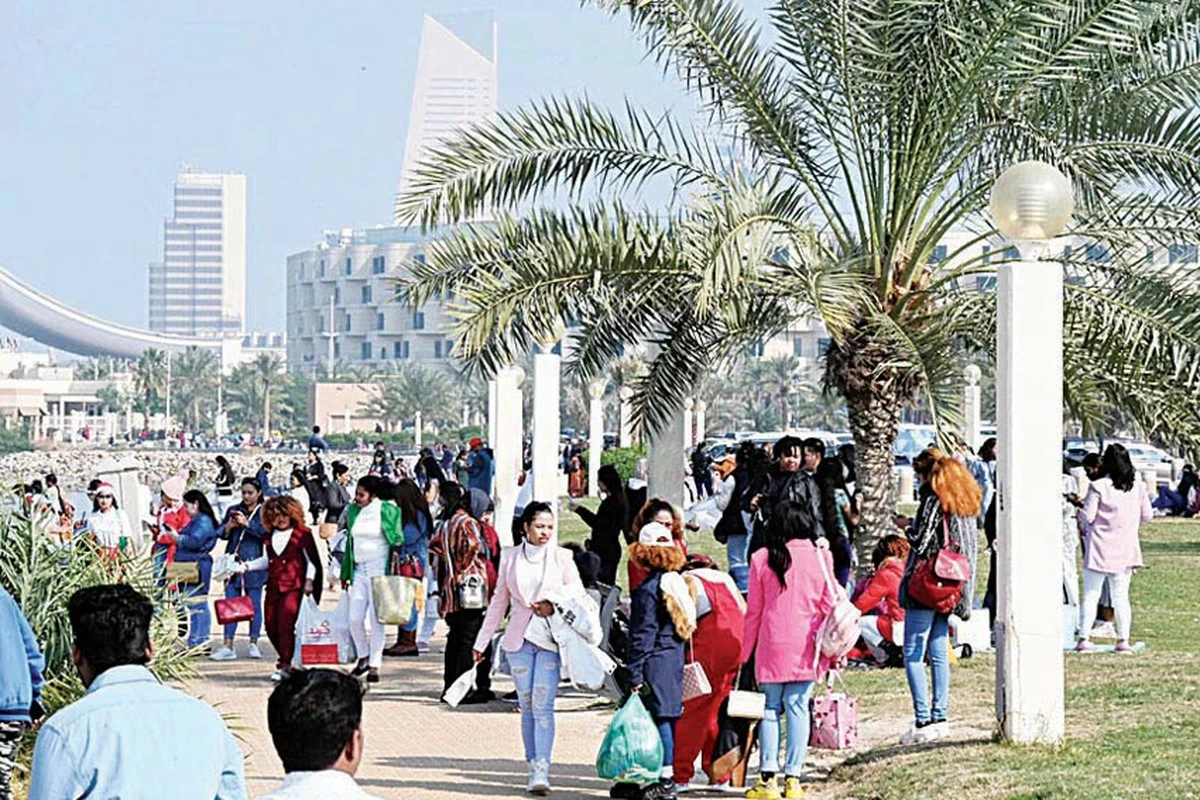

KUWAIT CITY, July 22: Kuwait’s population grew by 1.4 percent during the first six months of 2026, adding 73,570 people to reach 5.31 million by the end of June, according to the latest figures released by the Public Authority for Civil Information (PACI). The data showed the population increased from 5.23 million at the end of December 2025 to 5.31 million by the end of June 2026.
The number of Kuwaiti citizens rose modestly by 4,787, or 0.3 percent, bringing the national population to 1.567 million, compared with 1.562 million six months earlier.
Meanwhile, the expatriate population posted stronger growth, increasing by 68,780 people, or 1.87 percent, to 3.743 million from 3.674 million at the end of 2025. PACI figures also indicated continued expansion of the labour market. Kuwait’s workforce increased by 53,770 workers, or 1.6 percent, during the first half of the year, reaching approximately 3.301 million by the end of June, compared to 3.247 million at the close of 2025. The number of Kuwaiti workers increased by 2,217, or 0.44 percent, to 495,690, while expatriate workers rose by 51,553, or 1.87 percent, to 2.805 million.
Indians remained the largest expatriate community in Kuwait, with around 1.06 million residents, representing about 20 percent of the country’s total population. Egyptians ranked second with approximately 670,000 residents, followed by Bangladeshis (333,100), Filipinos (226,500), Syrians (201,500), Sri Lankans (197,400), Nepalese (186,600), Saudis (155,500) and Pakistanis (105,700). The data showed that around 3.264 million people are economically active, accounting for 61 percent of Kuwait’s total population.
Expatriates make up nearly 2.8 million workers, representing about 75 percent of the labour force. By nationality, Indians accounted for the largest share of the workforce at 28.8 percent, followed by Egyptians at 14.6 percent and Kuwaitis at 14.2 percent.
In the private sector, Indians represented 30.7 percent of employees, while Kuwaitis dominated public sector employment, accounting for 74.7 percent of government workers. Among Kuwaiti nationals, labour force participation stood at 32 percent, with men and women equally represented at 50 percent each. PACI data also revealed that Kuwait is home to approximately 883,300 domestic workers, representing 27 percent of the country’s workforce. Women accounted for 57.7 percent of domestic workers, while Indians formed the largest nationality group in the sector, making up 39 percent.
By gender, males accounted for approximately 3.21 million people, or 60 percent of the population, compared to 2.1 million females, representing 40 percent. The country’s demographic profile remains relatively young, with about 4.28 million people, or 81 percent of the population, falling within the 15-64 age group, the primary working-age segment.
Largest Population Groups in Kuwait (End-June 2026):
1. Kuwaitis – 1.567 million
2. Indians – 1.06 million
3. Egyptians – 670,000
4. Bangladeshis – 333,100
5. Filipinos – 226,500
6. Syrians – 201,500
7. Sri Lankans – 197,400
8. Nepalese – 186,600
9. Saudis – 155,500
10. Pakistanis – 105,700