


02/05/2026

Share:
02/05/2026
Share:

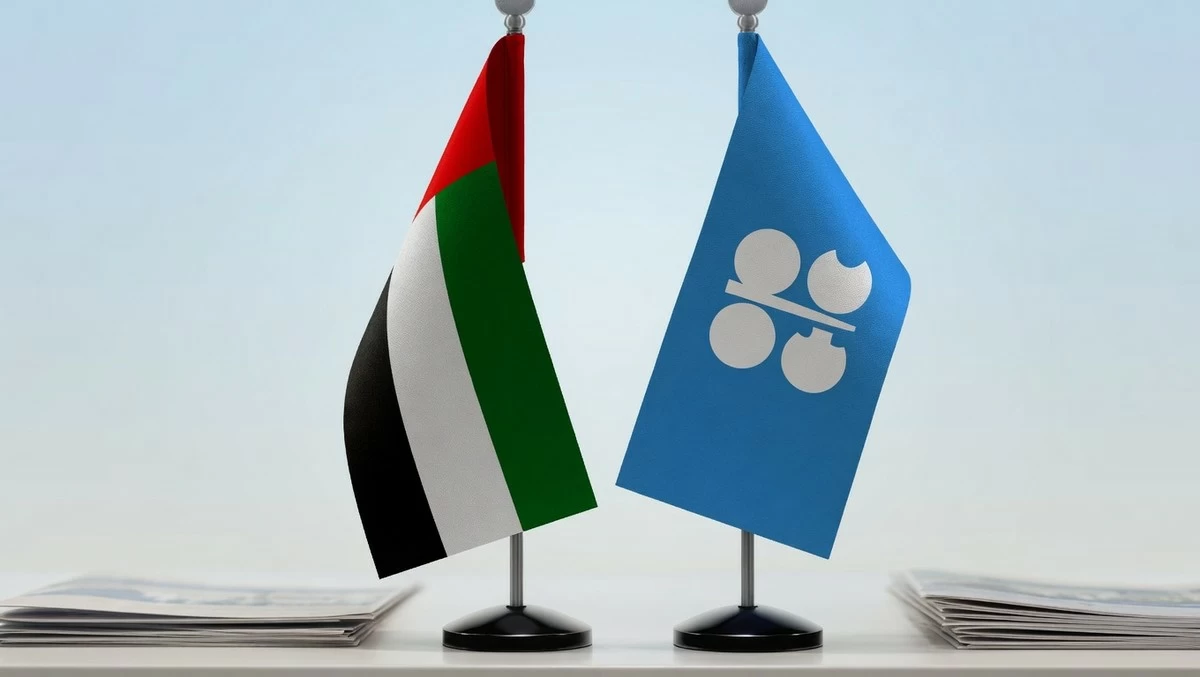
The United Arab Emirates is the sixth member of the oil organization to quit. Its main reason for leaving OPEC and OPEC+ is to free itself from production restrictions or the so-called OPEC quota. Emirates believes it has reached a crude oil production level of more than three million barrels per day, while holding spare capacity near 4.8 million barrels. However, the oil production capacity of over 3 million is not proven physically yet.
Current OPEC rules make it free to produce at any level and reach 4.8 million barrels at any time without restriction, as it suits it. The question that needs to be asked or answered is what will happen to oil prices with over one million barrels of new oil hitting the market, which will certainly lead to a decrease in oil prices globally. It may also force OPEC+ to meet and discuss new quota levels and adjustments to make room for the arrival of new oil at a large volume, leading of course to lower oil prices.

Kamel Al-Harami
While Emirates has to search for new outlets for the coming volume of more than one million barrels per day, its former colleagues have access to the spare capacity of more than 5 million barrels shared between Russia and Saudi Arabia. In addition to Iraq and Iran, which are working on improving production, if they do not already have spare capacity, they are in the waiting. Iraq sits on the fifth-largest oil reserve, with production capacity between five and six million barrels per day between now and 2029, reaching the latter volume of six million.
Iran is ranked the third largest oil producer in OPEC, currently producing three million barrels per day, with production capacity of more than 4.1 million barrels per day. Emirates is the sixth OPEC member to leave the oil organization, with various reasons. Some left after running out of crude or being unable to export, Qatar wanted to focus on gas, and others wanted to be freed from production quotas to produce at their own discretion. Gabon pulled out and later rejoined OPEC again, while Indonesia has frozen its membership. So in total, only five members remain.
Certainly, we anticipate that oil prices will come down soonest once the Strait of Hormuz is open again and free for the trading and movement of crude oil, finished products, and gas, amounting to more than 20 million barrels per day. Today it is constrained with limited movement, unless shipowners pay $2 million per oil tanker. Of course, this would eventually lead to higher oil prices for final consumers globally. We must wait for next week to find out the impact of Emirates’ withdrawal from OPEC and its consequences. It seems more likely that it will lead to weaker oil prices, with more oil entering the market. Before that, we have to find out when the Strait of Hormuz will open for free oil trading to the international market in order to assess the reaction.
Certainly, oil prices will be stronger in that case, as the world needs supply to meet demand, but also needs to fill its commercial and strategic reserves, if not depleted, which could mean a longer period of higher oil prices. Demand is also at its peak during the summer and car driving season. So, the price impact of Emirates pulling out of OPEC will not be known until possibly the end of the summer season. There is also hope for the Arabian Gulf states to return to their colleagues in OPEC and OPEC+ soon, as any gain in oil prices will benefit all, while weaker prices will certainly hurt all.
By Kamel Al-Harami Independent Oil Analyst
Email: [email protected]