

07/11/2026

Share:
07/11/2026
Share:
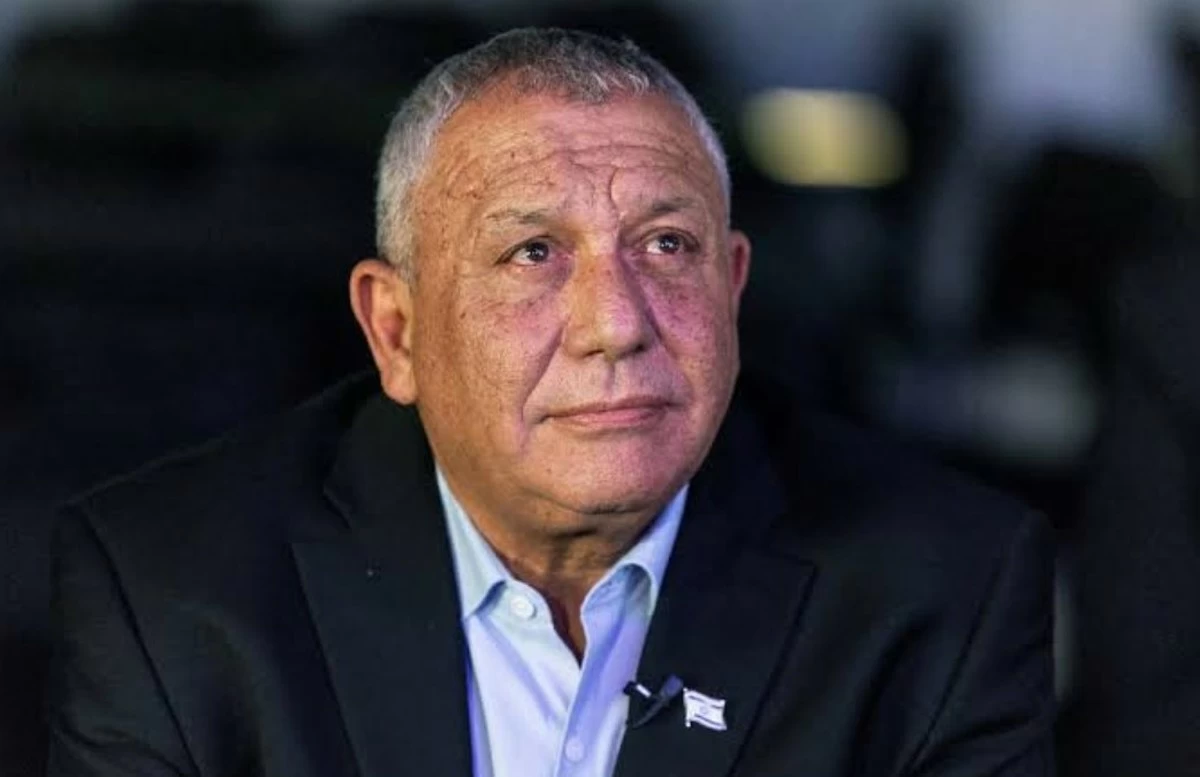

JERUSALEM, Nov 7: Israeli opposition leader Gadi Eisenkot on Saturday called for the formation of a “national emergency government” after President Isaac Herzog selected him to receive the mandate to form Israel’s next government, dealing a major political setback to outgoing Prime Minister Benjamin Netanyahu.
“Now is the time to form a national emergency government. I will do everything I can to live up to that responsibility,” Eisenkot, leader of the Yashar party, wrote on X.
Herzog announced that Eisenkot would formally receive the mandate at a ceremony at the President’s Residence on Sunday at 5 pm local time. He will have 28 days to form a government, with the president authorized to grant an additional 14 days if necessary.
The decision followed parliamentary consultations in which factions representing 67 members of the 120-seat Knesset recommended Eisenkot for prime minister, compared with 46 who backed Netanyahu. Seven lawmakers did not recommend either candidate.
However, the numbers do not automatically guarantee Eisenkot a governing majority. The four Jewish-led opposition parties supporting him hold 48 seats, while the two Arab-led parties, the Joint List and Ra’am, secured a combined 19 seats.
Although both Arab parties endorsed Eisenkot, several leaders of the Jewish-led opposition parties have opposed forming a government with Arab parties or relying on their parliamentary support.
The political deadlock has raised questions over how Eisenkot can secure the 61 seats required for a parliamentary majority. Possible options include seeking support from Arab parties, negotiating with ultra-Orthodox factions or exploring a broader national unity arrangement.
Israelis Rally for Government Including Arab PartiesMeanwhile, several hundred Israelis gathered at Tel Aviv’s Habima Square on Saturday evening, demanding that opposition leaders include Arab parties in the next government and bring an end to Netanyahu’s rule.
Demonstrators displayed banners in Hebrew and Arabic reading, “67 seats. Let’s take a new path,” referring to the combined parliamentary strength of parties opposed to Netanyahu.
Protesters chanted, “Without partnership, there is no peace,” while others called for an end to “divide and rule” and demanded “freedom and equality for all.”
The Jewish-Arab partnership movement Standing Together participated in the demonstration, which called on opposition leaders to recognise the combined electoral strength of Jewish and Arab parties.
The demonstrations highlighted growing pressure on Eisenkot and other opposition leaders to overcome political divisions and translate their parliamentary advantage into a functioning government.
Some demonstrators also called for the release of journalist Abed Abu Shahadeh, who was arrested on Wednesday on suspicion of contact with a foreign agent following a trip to Doha, where he reportedly interviewed former Knesset member Azmi Bishara.
The political developments follow Israel’s Oct 27 parliamentary election, in which Netanyahu’s right-wing and religious bloc secured 53 seats, while the four Jewish-led opposition parties won 48. The Arab-led parties captured a combined 19 seats, giving the anti-Netanyahu camp a potential 67-seat alignment.
Despite receiving the largest number of recommendations, Eisenkot now faces the difficult task of bridging divisions within the opposition and securing sufficient support to replace Netanyahu.
His ability to form a government will determine whether Israel enters a new political chapter or faces another round of coalition negotiations and potentially fresh elections.