


22/02/2026

Share:
22/02/2026
Share:

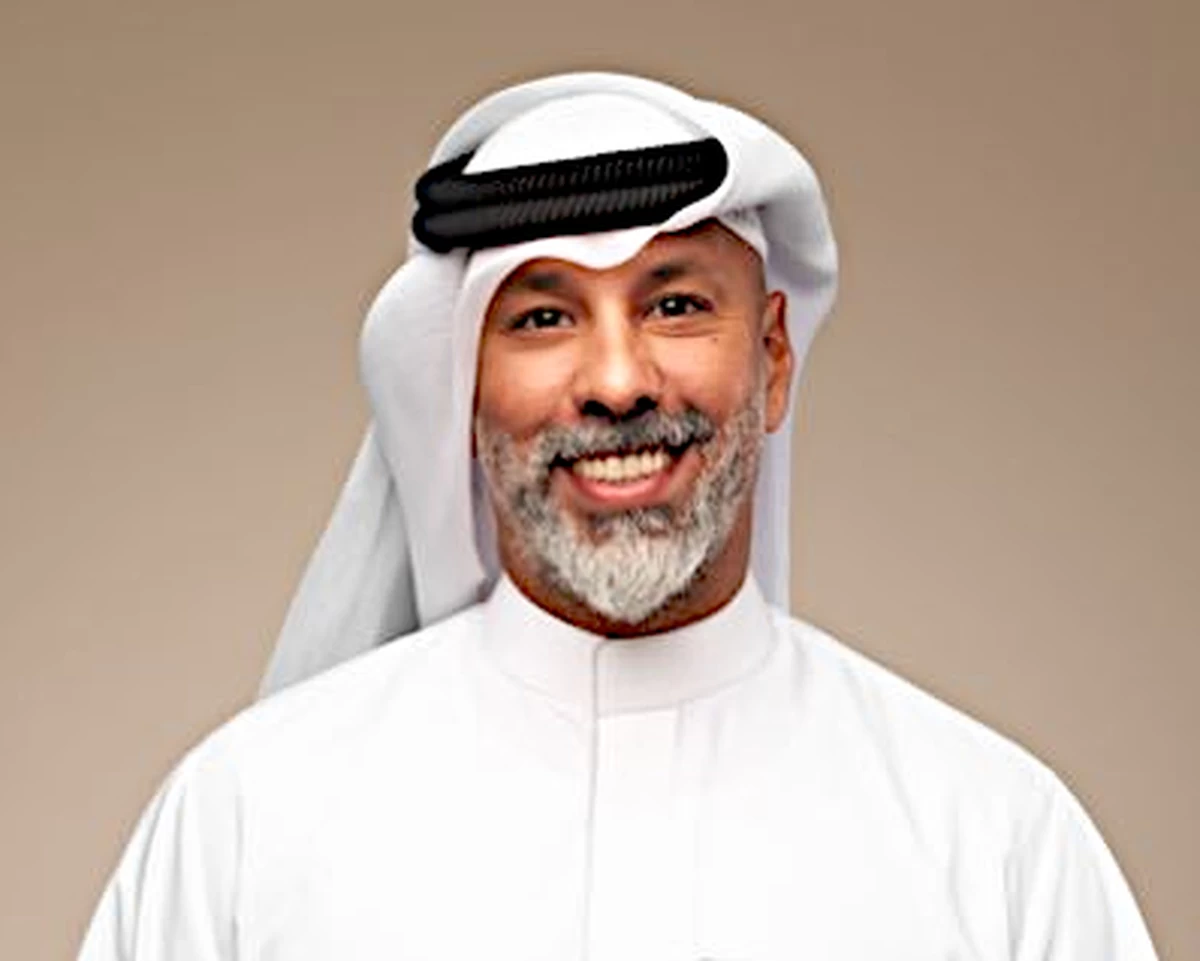
KUWAIT CITY, Feb 22: Owner of the ‘Eco Environmental Incubator’ Jassem Al-Abouh has warned about the grave threat posed by electronic waste (e-waste) to human health and the environment. In an interview with the newspaper, Al- Abouh explained that e-waste includes discarded electrical and electronic devices, and anything with hazardous substances like lead, mercury and cadmium, in addition to valuable materials such as gold, silver and copper, hence, it could be a source of income. He said this necessitates the recycling of e-waste.
Citing recycling statistics, he revealed that the total recycled e-waste reached 2,489,163 kilograms, indicating that the average recycled quantity in 2023 was 135,693 kilograms and the projection for 2025 ranged between 883,470 kilograms to 1,057,444 kilograms.
Citing recycling statistics, he revealed that the total recycled e-waste reached 2,489,163 kilograms, indicating that the average recycled quantity in 2023 was 135,693 kilograms and the projection for 2025 ranged between 883,470 kilograms to 1,057,444 kilograms.
Following is an excerpt of the interview:
Question: Please shed light on the role played by the Eco Environmental Incubator.
Answer: It focuses on the environment and renewable energy sectors to support environmental projects and initiatives. We signed a five-year memorandum of understanding with the Environment Public Authority (EPA). Among the projects proposed by the Incubator is to support the recycling of electronic waste. This community initiative is the first of its kind in Kuwait with the aim of promoting environmental sustainability goals and establishing a circular economy culture within the community.
Q: What steps did you take to implement the initiative?
A: Minister of Education Eng. Sayed Jalal Al- Tabtabaie fully supports the initiative. Within two weeks, we obtained his approval and we started working in 12 schools in various governorates. We also presented the initiative to the private sector, which immediately embraced it and supported it to ensure its success. These private institutions include Boubyan Bank, Zain, Arab Open University and Kuwait Airways.
Q: When was the initiative launched? Has it achieved its goals?
A: The initiative was launched last September with the support of Ahmadi Governor Sheikh Hamoud Jaber Al-Ahmad. It began in October and ran for three months until December last year. In January, the winners were announced, along with the amount of electronic waste collected from the 12 participating schools (six for boys and six for girls). The first-place winners received KD 500 from Boubyan Bank, while the second-place winners received KD400 for the workshops organized by Zain. Undersecretary of the Ministry of Education Mohammad Al-Khaldi presented the awards and honored the winners at the theater of the ministry.
Q: How did the schools respond to the initiative, considering it was new and the first of its kind in Kuwait?
A: The schools responded very positively, with the support of all the governors. We conducted workshops led by environmental specialists in the schools. Electronic waste containers were distributed to each school to facilitate collection and storage. The initiative resulted in the collection of 5,500 kilograms of electronic waste from the schools. Due to its success, there have been calls to expand its implementation to middle and high school levels starting in September.
By Mohammad Ghanem Al-Seyassah/Arab Times Staff