



03/01/2026

Share:
03/01/2026
Share:
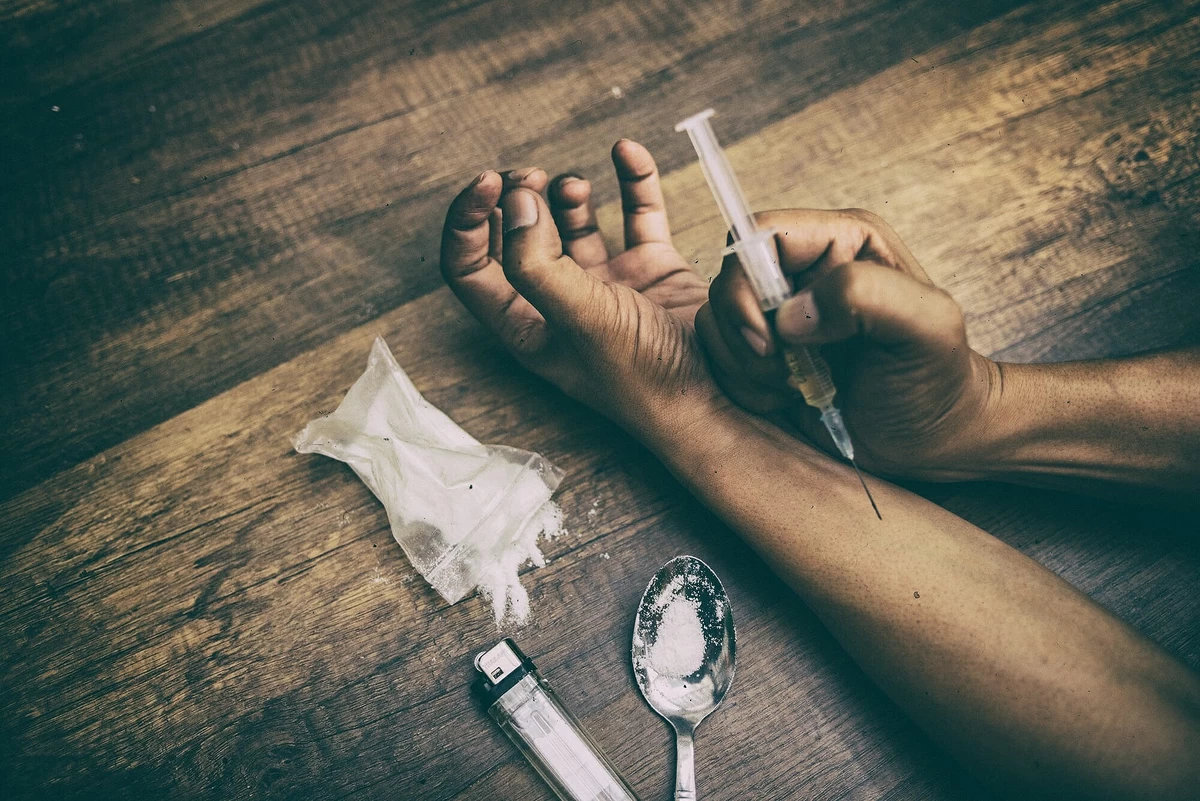

KUWAIT CITY, Jan 3: Kuwait is witnessing significant progress in combating drug abuse through an integrated health and legislative system that combines specialized treatment with newly enacted laws aimed at protecting families and ensuring social stability, reports Al-Seyassah daily. The law comes within a national framework designed to confront drug abuse and provide opportunities for recovery from addiction, particularly following the recent implementation of Decree Law No. 195/2025.
Two specialists in the field affirmed that integrating therapeutic, preventive, security, and legislative efforts offers a stronger and more effective foundation for addressing addiction to drugs and psychotropic substances from a treatment-based, rather than punitive, approach. Director of the Addiction Treatment Center at the Ministry of Health, Dr. Hussein Al-Shatti, explained that the center plays a major role in reducing drug use and combating drug abuse in Kuwait by providing gradual and comprehensive treatment programs based on scientific principles.
These programs treat addiction as a chronic disease, from which recovery is possible through integrated therapeutic, psychological, and social support. The center consists of two main buildings - the older building, which houses the first phase (detoxification) and the second phase (initial assessment), and the newer building, which functions as a halfway house for advanced treatment. The center has a capacity of over 500 beds, distributed across its various specialized wards.
Specialized
The center has specialized wards for different types of cases, including general wards for voluntary admissions, wards for patients referred by court order, wards for women, and wards for dual- diagnosis patients, those struggling with both addiction and a co-occurring mental illness such as schizophrenia or bipolar disorder. These cases require specialized care from both medical and technical staff. Dr. Al-Shatti warned that certain drugs, such as methamphetamine (crystal meth), have become particularly dangerous, as even small amounts over short periods can trigger severe psychotic symptoms and complex psychological complications. He revealed that the most commonly treated substances at the center currently include heroin, synthetic cannabinoids, and methamphetamine.
Dr. Al-Shatti explained that the treatment plan at the Addiction Treatment Center is not limited to medication. In its later stages, it also emphasizes behavioral, psychological, and social therapy through counseling sessions, group therapy, and structured rehabilitation programs. The therapeutic relationship continues even after the patient leaves the center.
The programs encourage patients to maintain follow-up care through outpatient clinics and ongoing support after discharge. He revealed that the center organizes a weekly initiative called the “Message Campaign,” in which former recovering addicts share their experiences and advice with current patients to provide support and strengthen their confidence in the recovery process. Dr. Al-Shatti emphasized that the recent amendments to Kuwait’s drug laws provide substantial support to the treatment system, as they strike a balance between imposing stricter penalties for trafficking and promotion while expanding treatment options for drug users


