


07/04/2026

Share:
07/04/2026
Share:

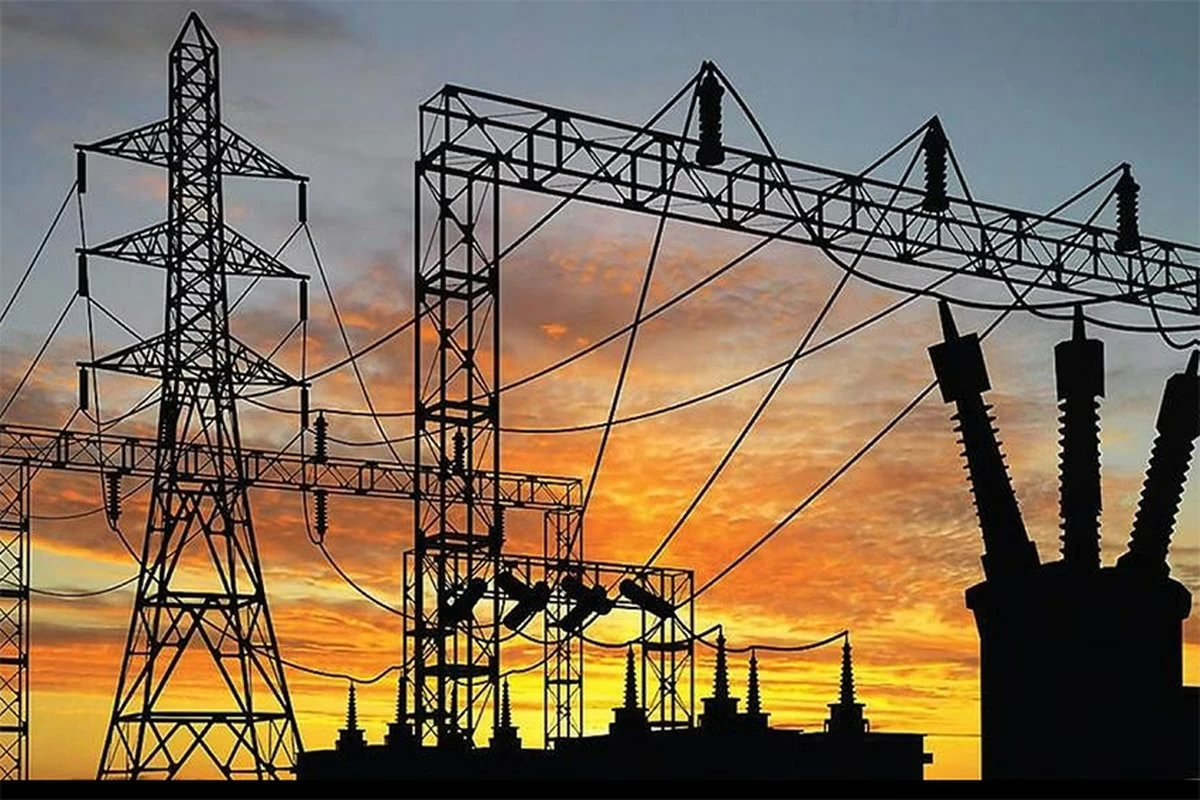
KUWAIT CITY, April 7: The rationalization of energy consumption is now a national duty, in light of the brutal Iranian attacks on the infrastructure of the country, including power and water desalination plants. The current situation also entails the need to increase the strategic water reserve for emergencies, reduce the electrical grid load and oil consumption, and minimize disruptions in transmission and distribution stations.
“ In view of the above, the newspaper interviewed several specialists to shed light on the issue. Official spokesperson of the Ministry of Electricity, Water and Renewable Energy Eng. Fatima Abbas Hayat asserted that rationalizing electricity and water consumption under all circumstances -- whether in peace or war – is a civilized behavior that preserves natural resources and assets.
She said this move reduces pressure on the infrastructure of the ministry, particularly the electricity and water networks, while maintaining the stability of both networks. Hayat told the newspaper “the greater the conservation of fresh water throughout the year, the higher the strategic water reserves. It helps avoid operational measures that could negatively impact some people, especially during crises.” She pointed out that conserving electricity and water reduces the huge budget allocated by the State for subsidies, as electricity and water wastage is tantamount to squandering public funds. “Conservation does not mean deprivation or disregarding the well-being of citizens and residents. It means directing electricity and water services to proper channels according to the actual needs of consumers. Conservation is a cooperative behavior in society. If every individual commits to conservation in their home, the impact will be clear and significant on a general level,” she explained.
She stressed that saving fresh water leads to savings in the electricity used to produce water, hence, the savings are twofold in this case. The ministry urged citizens and residents to strictly comply with the conservation mechanisms it established and are available on its official social media accounts, particularly regarding water leaks or any form of waste in electricity and water services. This can be done by contacting the ministry through its hotline number 152, which operates round the clock, to report any instances of water leak or wastage.
The technical teams of the ministry will then address these issues immediately and take the necessary measures to mitigate the negative effects of resource waste and protect public funds. Meanwhile, economist Hajjaj Boukhdour stated that “when vital sources such as electricity, water and fuel are targeted, conserving energy is not just a commendable individual act, as it is rather the reflection of the very nature of society itself. In times of crisis, a society is not tested by its outward expressions of concern, but by its capacity for self-discipline, which prevents external pressure from escalating into internal instability.” He emphasized that extravagance during times of hardship is not merely a behavioral flaw, but a failure to understand the interconnectedness of individual needs and community welfare and between private consumption and the cost of general scarcity. He asserted that conserving water, electricity and fuel is an act that transcends household management, encompassing a broader meaning: preserving resources, alleviating pressure on infrastructure, and preventing market panic from escalating into a drain that amplifies the economic and social impact of the crisis. He pointed out that awareness is not about demanding one’s full share in times of danger, as it is about recognizing the right of the community to expect moderation in addressing one’s needs.
“Nations are not only burdened by blows, but also by the mismanagement of their citizens when they exacerbate the effects of imposed hardships,” he concluded. Environmental activist Dr. Funees Al-Ajmi stressed the necessity of conserving electricity and water under all circumstances, especially given the brutal aggression the country is facing against its infrastructure, including power and water stations. “Preserving these resources is a national, religious and societal duty that leads to increased strategic reserves of these resources during the critical circumstances the country is experiencing,” he added.
Al-Ajmi called on all segments of society to spread awareness on the importance of rationalizing electricity and water, “because our true religion urges this sound and upright approach. Everyone must play their role in this regard, in addition to the role of government agencies and the Ministry of Electricity, Water, and Renewable Energy, which is responsible for producing electricity and water. The quantities that are rationalized can undoubtedly be used in times of emergency. From this standpoint, it is imperative for us to rationalize and not to be wasteful and extravagant with the resources of the State, which are the resources of the citizen himself. Hence, every citizen or resident must rationalize the consumption of electricity and water.”
By Mohammad Ghanem Al-Seyassah/Arab Times Staff