



07/07/2026

Share:
07/07/2026
Share:

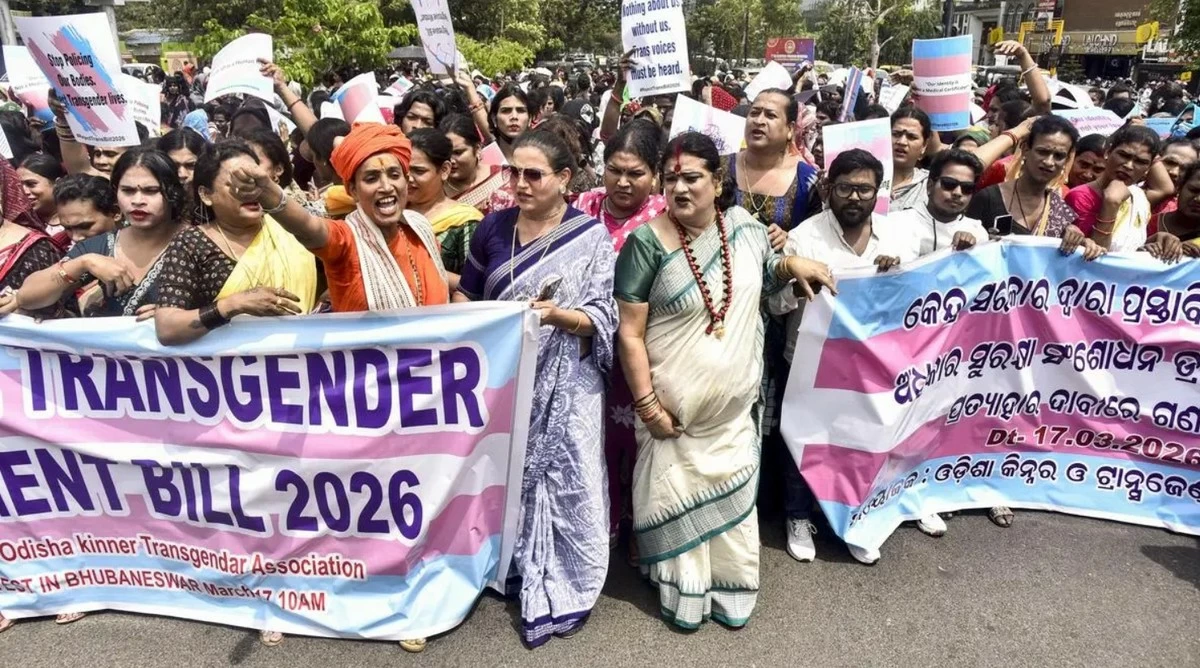
NEW DELHI, Jul 7: Thousands of transgender people across India say they have been left in uncertainty after a new law scrapped the right to legally self-identify their gender, triggering delays in medical treatment, suspended surgeries, and confusion among healthcare providers.
The controversy follows amendments introduced in March requiring transgender people to obtain certification from a government-approved medical board before their gender can be legally recognised. However, authorities have yet to clarify how these boards will be formed or which specialists will serve on them, leaving doctors unsure about what treatment they are legally permitted to provide.
"The doctor was really just hiding his face. He didn't know what to say," recalled 26-year-old Hyderabad event planner Khan, describing her visit to a clinic after the legal changes. "You could see the fear on the staff's faces."
Before the new law took effect, transgender people could update their legal gender by submitting documentation from a qualified healthcare professional, such as a psychiatrist or gender-affirming surgeon. That process has now been replaced with mandatory approval from a medical panel, the details of which remain undefined.
The Indian government says the changes are intended to prevent misuse of welfare benefits, combat exploitation, and strengthen safeguards. But activists, lawyers, and doctors argue the new rules have instead created a legal vacuum that is disrupting access to essential healthcare.
At least a dozen transgender individuals told Reuters that clinics have postponed hormone therapy, delayed surgeries, or paused gender-affirming services while waiting for official guidance. Several doctors said they are proceeding cautiously, with some requiring patients to sign declarations confirming they are voluntarily seeking treatment.
"Doctors are very concerned and confused as to what kind of care they are now allowed to give," said senior Supreme Court lawyer Arundhati Katju.
The uncertainty has already affected patients across the country.
In Bengaluru, 24-year-old Ananya Balamurali said her gender-affirming surgery scheduled in New Delhi was postponed indefinitely after the law changed. In Kerala, makeup artist Ichu said a government hospital withdrew approval for hormone replacement therapy after initially agreeing to proceed.
Health experts warn that interrupting hormone replacement therapy (HRT) can have serious medical consequences, including hormonal imbalance, bone density loss, and symptoms similar to menopause. They fear that prolonged uncertainty could push transgender people toward unregulated treatment or unsafe medical practices.
"We're worried that the new law might push the transgender community into a shell," said Hyderabad-based activist Rachana Mudraboyina, warning that many may turn to unqualified practitioners to avoid bureaucratic obstacles.
The Association of Transgender Health in India estimates the country's transgender population at around 20 million, far higher than the roughly 500,000 recorded in the 2011 census.
Association founder Dr. Sanjay Sharma said the amendments undermine the landmark 2014 Supreme Court judgment that recognised transgender people as a third gender and protected their right to self-identify.
He described the situation as "a public health emergency," warning that doctors could fear legal prosecution for providing hormone therapy or gender-affirming surgery under the new legal framework.
The law also narrows the categories of people officially recognised as transgender, excluding many who previously relied on self-identification to update official documents and access healthcare.
Activists say transgender men may face particular difficulties because the legislation does not clearly address their status, while widespread social stigma continues to make employment, healthcare, and family acceptance difficult for many transgender Indians.
For patients like Khan, the uncertainty has become deeply personal.
After missing a planned adjustment to her hormone treatment, she continues relying on an old prescription while waiting for clinics to receive legal clarity.
"People at the clinic said, 'Give us a week or two, we'll figure this out,'" she said. "It's been months now, and we're still entirely clueless about where to go and what to do."
Key Changes Under the 2026 Amendment
Medical Gatekeeping: Unlike the original 2019 Act, which allowed for self-perceived gender identity, the 2026 amendment requires applicants to obtain an identity certificate recommended by a designated medical board and issued by a District Magistrate
Narrowed Definition: The definition of a transgender person was revised to limit legal recognition mostly to traditional socio-cultural groups (such as hijras or kinners) and intersex individuals. It excludes trans men, trans women, and gender non-binary individuals who previously had protections
Mandatory Reporting: Medical institutions must now furnish information regarding any gender-change surgery to the District Magistrate
Stricter Penalties: The law introduces harsh criminal penalties (between five years and life imprisonment) for offenses such as forcing someone to assume a transgender identity, begging, or servitude.