



09/06/2026

Share:
09/06/2026
Share:

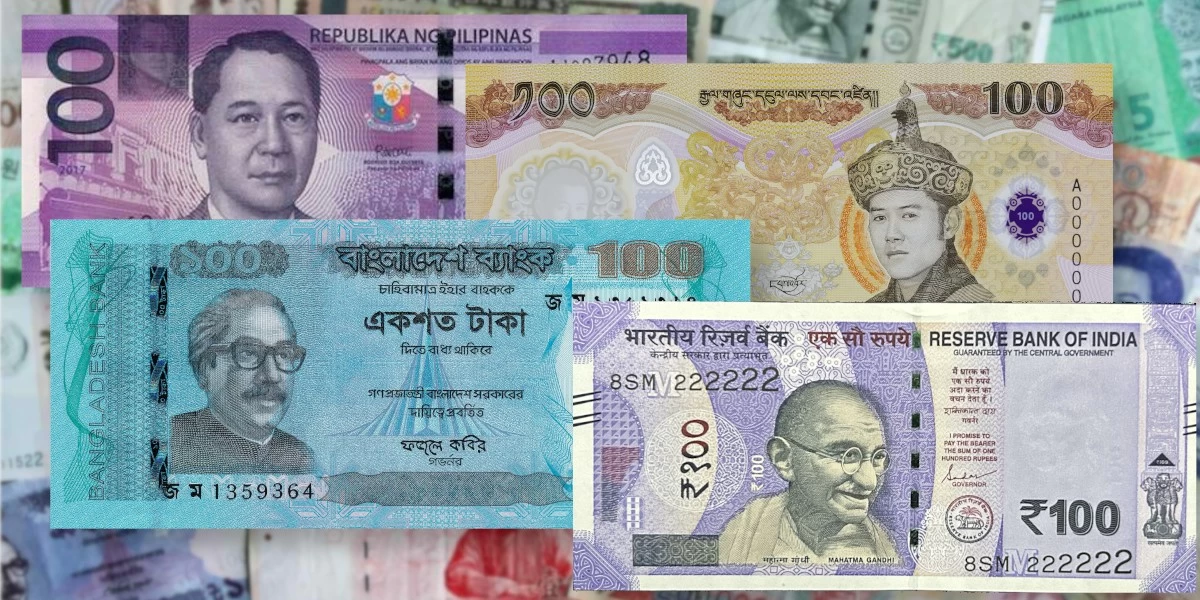
KUWAIT CITY, Jun 9: Per capita incomes across South Asia continue to show sharp divergence, with India and Bangladesh clustered at the lower end of the World Bank’s lower-middle-income range, while the Philippines leads the group and Sri Lanka and Bhutan sit slightly higher but remain below upper-middle-income thresholds.
According to the World Bank’s FY2026 income classification, which is based on 2024 Gross National Income (GNI) per capita using the Atlas method, India’s per capita income is estimated at around $2,600–$2,700, while Bangladesh stands at roughly $2,700–$2,800. Although Bangladesh edged Indians, both economies remain in the lower-middle-income category.
Sri Lanka, recovering from its recent economic crisis, records an estimated GNI per capita of about $3,200–$3,500, while Bhutan is placed in a similar range, though its figures vary depending on data revisions and methodology updates.
The Philippines, by comparison, is estimated at around $4,200–$4,400, placing it closer to the upper boundary of the lower-middle-income bracket and ahead of most South Asian economies.
Bhutan is estimated to have a per capita income in the range of $3,200–$4,200, depending on data revisions and methodology used by the World Bank. While smaller in absolute economic size, Bhutan’s income level places it above India and Bangladesh, but still below the Philippines.
The World Bank classifies countries into income groups using fixed thresholds: low-income economies at $1,135 or less, lower-middle-income economies between $1,136 and $4,495, upper-middle-income economies up to $13,935, and high-income economies above that level.
Despite strong headline GDP growth in parts of the region, per capita income levels highlight persistent structural gaps driven by population size, productivity differences, and varying levels of industrial development.
India, while being one of the fastest-growing major economies globally, still reflects the impact of its large population base on per capita income figures. Bangladesh’s steady growth in export-led manufacturing has lifted incomes over time, but it remains within a similar income bracket.
Sri Lanka’s position reflects both post-crisis recovery and structural constraints, while Bhutan’s smaller economy shows relatively higher per capita levels but limited diversification.
The Philippines stands out in the group with comparatively higher per capita income, supported by remittances, services, and a more diversified economic base.