



19/02/2026

Share:
19/02/2026
Share:
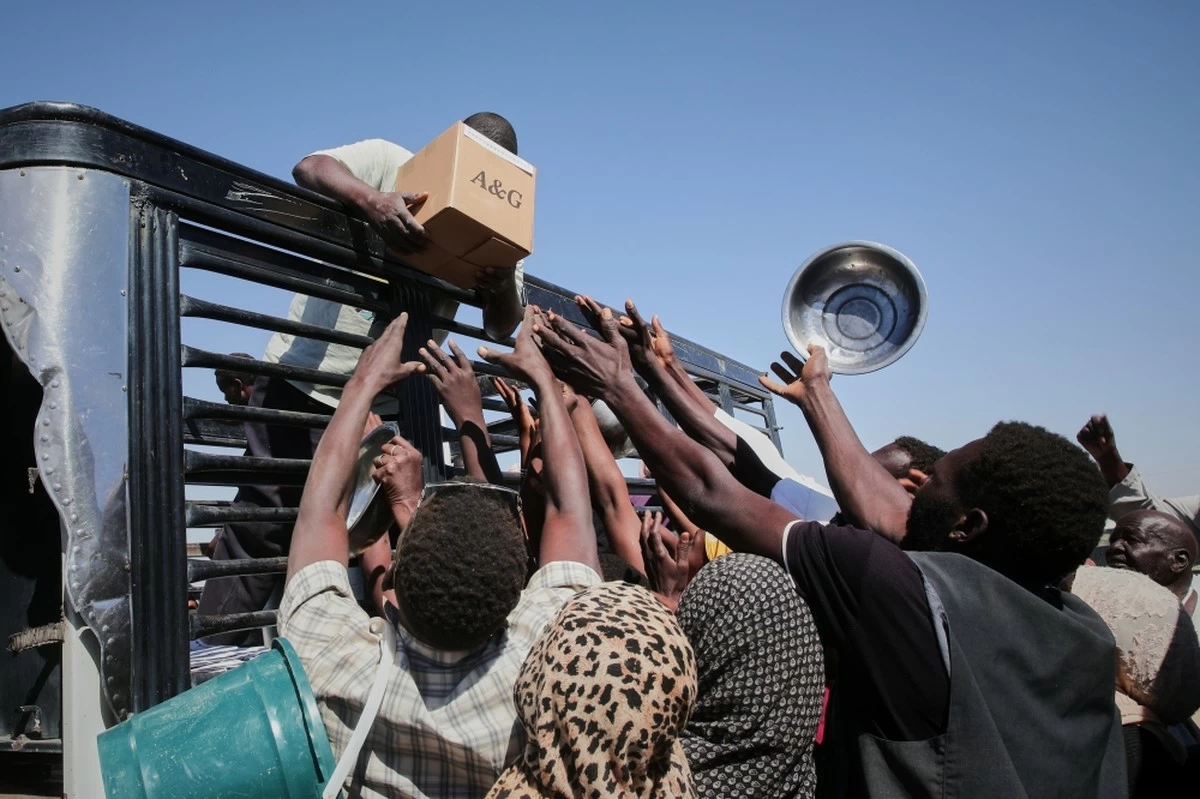

GENEVA, Feb 19, (AP): A "campaign of destruction" in October by Sudanese rebels against non-Arab communities in and near a city in Sudan's western region of Darfur shows "hallmarks of genocide,” UN-backed human rights experts reported Thursday, a dramatic finding in the country's devastating war.
The Rapid Support Forces carried out mass killings and other atrocities in el-Fasher after an 18-month siege during which they imposed conditions "calculated to bring about the physical destruction" of non-Arab communities, in particular the Zaghawa and the Fur communities, the independent fact-finding mission on Sudan reported.
UN officials say several thousand civilians were killed in the RSF takeover of el-Fasher, the Sudanese army’s only remaining stronghold in the Darfur. Only 40% of the city’s 260,000 residents managed to flee the onslaught alive, thousands of whom were wounded, the officials said. The fate of the rest remains unknown.
Sudan plunged into conflict in mid-April 2023, when long-simmering tensions between its military and paramilitary leaders broke out in the capital Khartoum and spread to other regions including Darfur. The devastating war has killed more than 40,000 people, according to UN figures, but aid groups say that is an undercount and the true number could be many times higher.
The RSF and their allied Arab militias, known as Janjaweed, overran el-Fasher on Oct 26 and rampaged through the city. The offensive was marked by widespread atrocities that included mass killings and summary executions, torture, and abductions for ransom, according to the UN Human Rights Office.
They killed more than 6,000 people between Oct 25 and Oct 27 in the city, the office said. Ahead of the attack, the rebels ran riot in the Abu Shouk displacement camp, just outside of the city, and killed at least 300 people in two days, it said. The RSF did not respond to an e-mailed request for comment. The group's commander, Gen. Mohammed Hamdan Dagalo, has previously acknowledged abuses by his fighters, but disputed the scale of atrocities.
An international convention known colloquially as the "Genocide Convention” - adopted in 1948, three years after the end of World War II and the Holocaust - sets out five criteria to assess whether genocide has taken place.