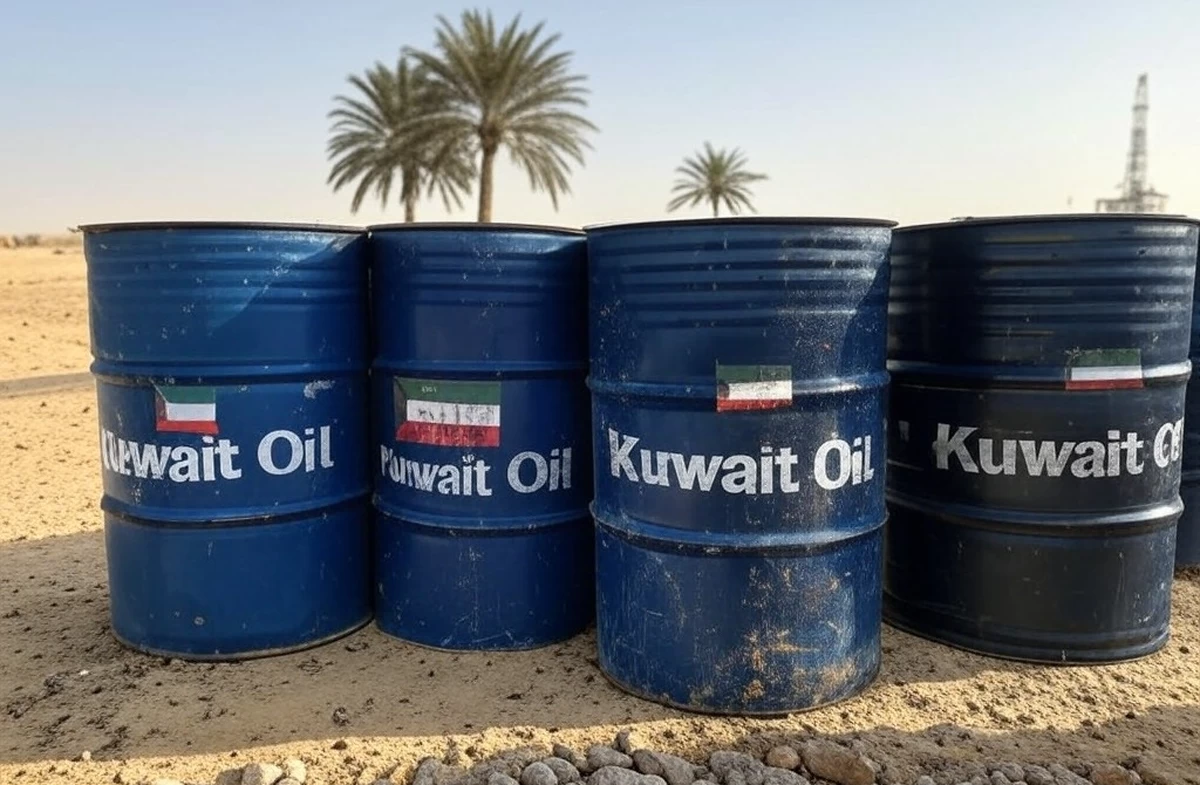
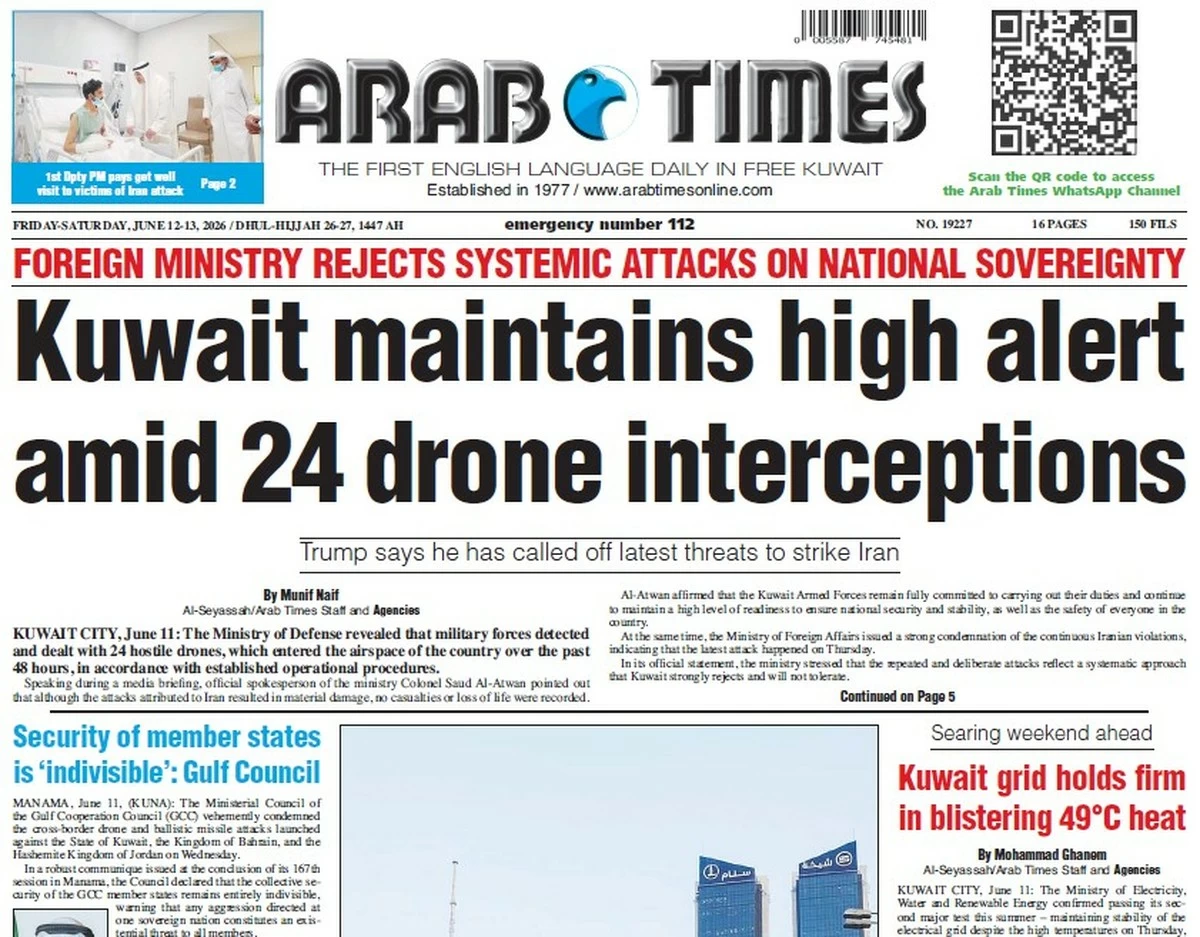
KUWAIT CITY, March 31: The State of Kuwait will start its 2026/2027 fiscal budget this April amidst the escalating regional conflict and its economic repercussions – particularly the halt of Kuwaiti oil exports through the Strait of Hormuz.
Official data revealed that the new budget estimates total revenues at around KD16.3 billion, comprising KD12.8 billion in oil revenues (79 percent) and KD3.5 billion in non-oil revenues, while expenditures are projected at KD 26.1 billion, a 6.2 percent increase compared to the previous year. The anticipated budget deficit stands at KD9.8 billion.
Many questions were raised regarding the most effective scenarios to mitigate this widening deficit should the current hostilities persist for several months. There are also ongoing discussions concerning whether the time has come to rely on the sovereign wealth fund. In an exclusive statement to the newspaper, Dr. Manal Al- Kandari, economist and former Secretary of the Transparency Association, shared her analytical perspective on managing the commencement of the new budget and adapting to potential long-term tensions between regional powers.
Dr. Al-Kandari explained that under such exceptional circumstances, oil revenues become volatile due to market instability and production disruptions, while government obligations often surge due to higher subsidies and emergency spending, naturally leading to a deficit that exceeds initial projections.
Regarding the suggestion to utilize sovereign wealth funds, she emphasized that these reserves must remain a “strategic option” given their sensitivity. She argued that they should be used with extreme caution, serving as the most important guarantee for future generations and a last line of defense in protracted crises, rather than a tool for managing short-term fluctuations. She underscored the importance of safeguarding these funds, which entails protection against major, unforeseen economic shocks.
While suggesting that annual investment returns could be utilized if necessary without touching the capital, she stated that preserving these reserves is a vital message of confidence to international markets and investors. She pointed out that the fundamental challenge lies in managing the deficit through a balanced strategy that maintains economic stability without compromising long-term financial sustainability.
She said the priority is to prevent the deficit from becoming a permanent structural issue. Asked about her vision for managing the anticipated deficit, she indicated that the country should rely on diversified financing tools, such as reprioritizing expenditures and developing non-oil revenue streams, in addition to utilizing structured medium and long-term borrowing to distribute the financial impact of the crisis over several years. She suggested selectively postponing projects with low economic impact, while affirming the necessity of protecting sectors vital to national development like education, infrastructure and digital transformation.
She believes that the crisis can be transformed into a “structural opportunity” for reform, especially since the best time for implementing difficult changes is during challenging periods. She said these reforms include increasing labor market productivity, linking government spending to clear performance indicators, and encouraging public-private partnerships. She added that while postponing some projects is a logical economic option during unstable times, it must be done thoughtfully and selectively.
She pointed out that the core principle is to continue with initiatives, which protect the economy and provide the government with the necessary flexibility to handle emergencies in light of oil price volatility and global infl ation. She then specified the vital infrastructure projects, including energy, water and transportation, as priorities that must not be delayed. She also emphasized the importance of continuing housing projects linked to local demand, along with programs supporting digital transformation, government services and attracting foreign investment.
By Najeh Bilal Al-Seyassah/Arab Times Staff