


28/07/2026

Share:
28/07/2026
Share:
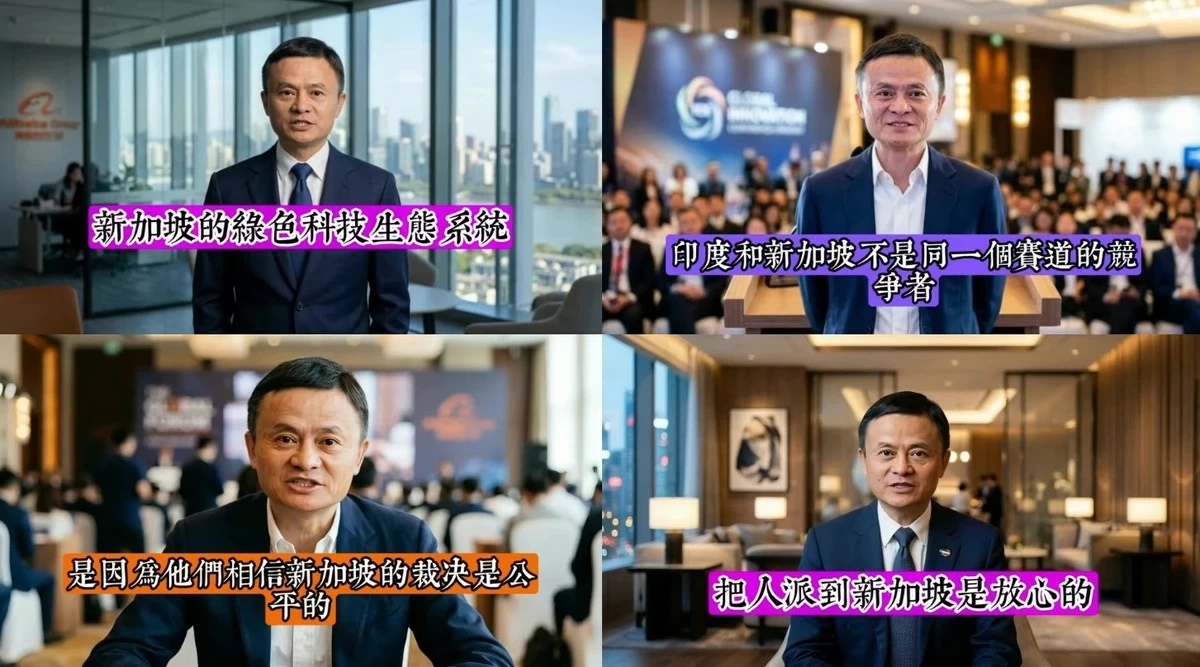

SINGAPORE, Jul 28: Fake artificial intelligence-generated videos featuring the likeness and voice of Alibaba co-founder Jack Ma are being used to spread misinformation about Singapore, including false claims about geopolitics, the economy and national security, an investigation has found.
An investigation by CNA identified at least 32 YouTube channels that published around 300 AI-generated videos featuring digital avatars resembling Jack Ma between September 2025 and June 2026. The videos, produced in both English and Mandarin, portrayed the Chinese entrepreneur as a commentator on Singapore-related issues despite no evidence that he made the statements attributed to him.
One AI-generated video falsely claimed that 10 countries were working together to “encircle and suppress” Singapore, while another alleged that Singapore was restricting other nations’ access to food and water by tightening control over the Strait of Malacca. CNA found no original speeches, interviews or statements from Ma supporting such claims.
An AI-assisted review of the videos found that 259 of them — about 86 per cent — contained at least one false or misleading claim in their titles, transcripts or both. Those videos, uploaded by 25 of the 32 channels, accumulated more than 1 million views.
The content was not hidden from mainstream audiences. CNA found that the videos appeared in Google search results for queries related to “Jack Ma Singapore” in both English and Chinese, including under the platform’s video search results. Similar fake Jack Ma videos were also found circulating on TikTok, with some gaining hundreds of thousands of views.
Alibaba has been contacted over whether Ma is aware of the videos and whether legal action is being considered.
Fake Authority Used to Spread Misinformation
Most of the videos used two common formats: a near-static AI avatar resembling Ma reading from a script with subtitles, or a still image of Ma combined with animated audio waves and a synthetic voice designed to mimic human speech.
Although some channels disclosed that the videos were AI-generated, the notices were often not prominent. Titles and thumbnails frequently created the impression that the real Jack Ma was delivering the messages.
Political scientist Chong Ja Ian from the National University of Singapore said Ma’s global reputation as a successful businessman made him an attractive figure for such content.
“The fact that Ma is a very successful businessperson means that his likeness will draw attention for topics relating to finance, investment and wealth management,” he said.
The use of AI-generated versions of public figures to promote false narratives is part of a growing global trend. Similar tactics have previously used the likeness of late US investor Charlie Munger in misinformation campaigns targeting Singapore.
False Praise Mixed With Conspiracy Claims
Many of the fake videos did not openly attack Singapore. Instead, a majority used positive portrayals of the country to make misleading claims appear more credible.
More than three-quarters of the videos had titles praising Singapore, while others used alarming claims — such as false reports of thousands of foreign investors fleeing the country — before shifting into praise of Singapore’s stability and economic strength.
Experts warned that combining flattering narratives with false information could make viewers more likely to accept misleading claims.
NUS Associate Professor Chong Ja Ian said such content could confuse audiences, particularly those unfamiliar with Singapore, by creating a false impression of credibility.
Some videos also mixed accurate information with conspiracy theories. One video correctly referenced Singapore infrastructure projects such as the Deep Tunnel Sewerage System and Jurong Rock Caverns before falsely suggesting they were secret preparations for war.
Experts Warn AI Deepfakes Could Exploit Trust
Experts said AI-generated avatars are increasingly effective because viewers often rely on familiar faces, headlines and thumbnails rather than carefully verifying sources.
Professor Anthony Tung from the NUS School of Computing said people often overestimate their ability to detect synthetic media, while many continue watching such content even when they suspect it may be fake.
“Detection does not equal rejection,” Tung said, warning that repeated exposure could make exaggerated or false claims appear believable over time.
As AI-generated content becomes cheaper and easier to produce, researchers say the ability to imitate trusted public figures could become a powerful tool for spreading misinformation, particularly when the messages reinforce existing beliefs or appeal to audiences seeking financial and geopolitical insights.