



16/02/2026

Share:
16/02/2026
Share:

On the other hand, the renewal of arrest warrants for debtors recorded the lowest percentage -- 0.01 percent. In terms of geographical distribution, the Capital Governorate ranked first with 24.3 percent of the total procedures, followed by Hawally Governorate with 20.3 percent, Ahmadi Governorate with 17.4 percent, Jahra Governorate with 16 percent, Farwaniya Governorate with 14.7 percent, Mubarak Al-Kabeer Governorate with seven percent, and outlying areas with 0.3 percent In the Travel Ban Section, a total of 6,458 procedures were completed.
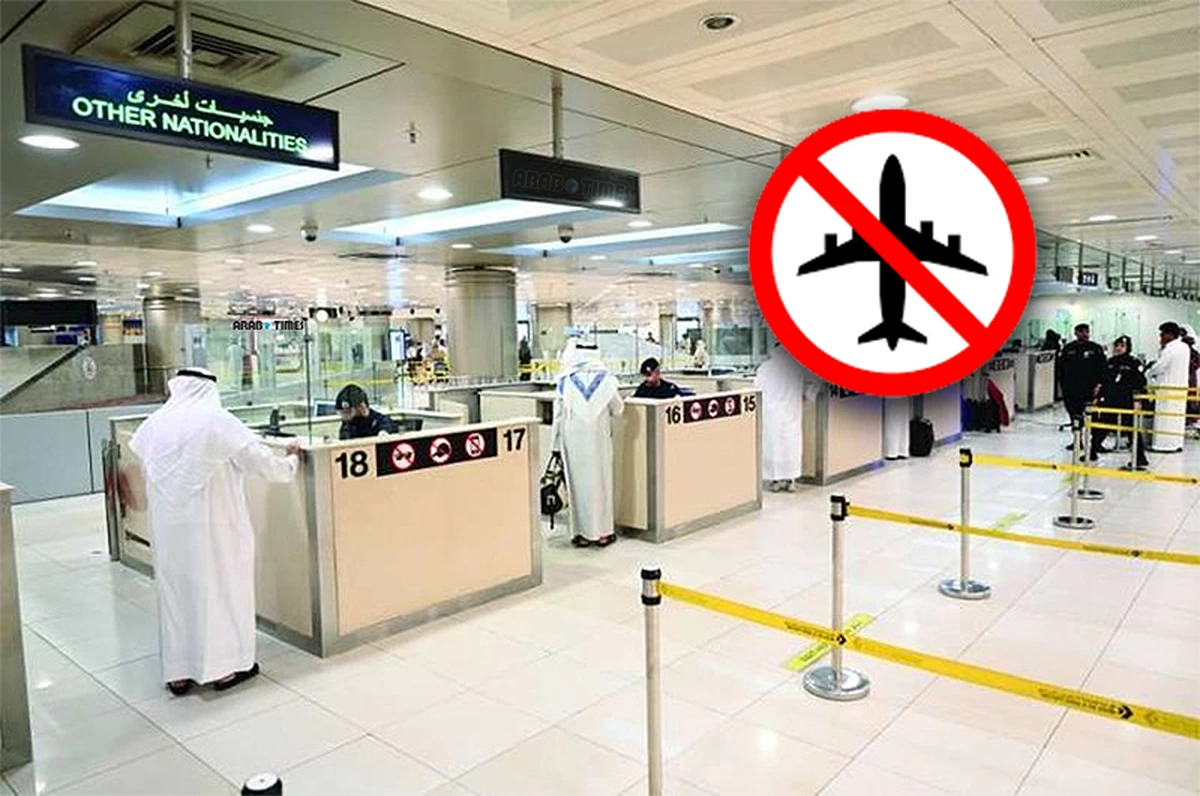
Orders to lift travel bans topped the list with 2,599 or 40.2 percent of the total. This entails financial settlement or the fulfillment of obligations. The Capital Governorate recorded the highest percentage of these procedures at 38.8 percent, followed by the outlying governorates at 30 percent, and the remaining percentage distributed among the other governorates. The Rental Section recorded 12,976 procedures.
Fee collection receipts ranked first with 39.8 percent, while the file joining and consolidation procedures, as well as receipts for warnings or judgments, recorded the lowest percentage. The Capital Governorate ranked first in this section with 53.8 percent, followed by Farwaniya and Hawally governorates, then Ahmadi, Jahra and Mubarak Al-Kabeer governorates. In the Inheritance Section, a total of 1,998 procedures were processed.
Disbursement forms and disbursement confirmation orders accounted for 29.4 percent each, followed by disbursement authorizations with 29.2 percent. The Jahra Governorate ranked first with 34.2 percent, followed by the Capital Governorate with 32.2 percent. Regarding the advertising sector, 4,383 electronic notices were received and 3,500 of which were completed -- 79.9 percent completion rate. Completion rates varied among the courts, with Ahmadi Court achieving 100 percent and the Capital Governorate recording 60 percent. As for traditional notices, 12,476 notices were received and 11,011 of which were completed -- 88.3 percent completion rate.
The Capital Governorate and Jahra governorates ranked first with 97 percent completion rate each. The completion rate for electronic notices in the Family Court reached 88.4 percent, while traditional notices achieved a high completion rate of 99 percent -- showing procedural efficiency in this sector, which is related to family rights. In a legal analysis of these figures, Attorney Enam Haidar confirmed to the newspaper that the rise in the rate of enforcement proceedings against debtors’ assets held by third parties entails a growing trend towards activating enforcement mechanisms. She pointed out that this is an affirmation of the commitment of creditors to obtain their rights through legal channels, under judicial oversight of the procedures. Attorney Jarrah Al-Wawan explained that the disparity in the completion rates of electronic notifications in the courts proves the importance of accelerating the digital transformation and standardizing work mechanisms. He stressed that judicial notification is vital in ensuring the validity of litigation and due process.
Attorney Jassim Bandar pointed out that the figures recorded in the Family Court enforcement, particularly the payment orders, indicate the high volume of judgments related to alimony and family obligations. He asserted that the speed of enforcement in this type of case impacts social stability, hence, the need for continuous development of the enforcement system to achieve balance between effectiveness and legal safeguards.
According to observers, these indicators reflect an increased pace of work in various enforcement sectors, in line with the efforts of the ministry to increase procedural efficiency and expedite the enforcement of judgments. They said this will boost confidence in the judicial system and guarantee the stability of transactions. The Family Court executed a total of 62,866 enforcement procedures within the same month. Disbursement orders topped the list at 32.5 percent, while renewals of arrest warrants for debtors accounted for the lowest percentage at 0.003 percent. The Capital Governorate Court handled 30.6 percent of the total procedures, followed by the Hawally and Ahmadi governorates.