



22/01/2026

Share:
22/01/2026
Share:
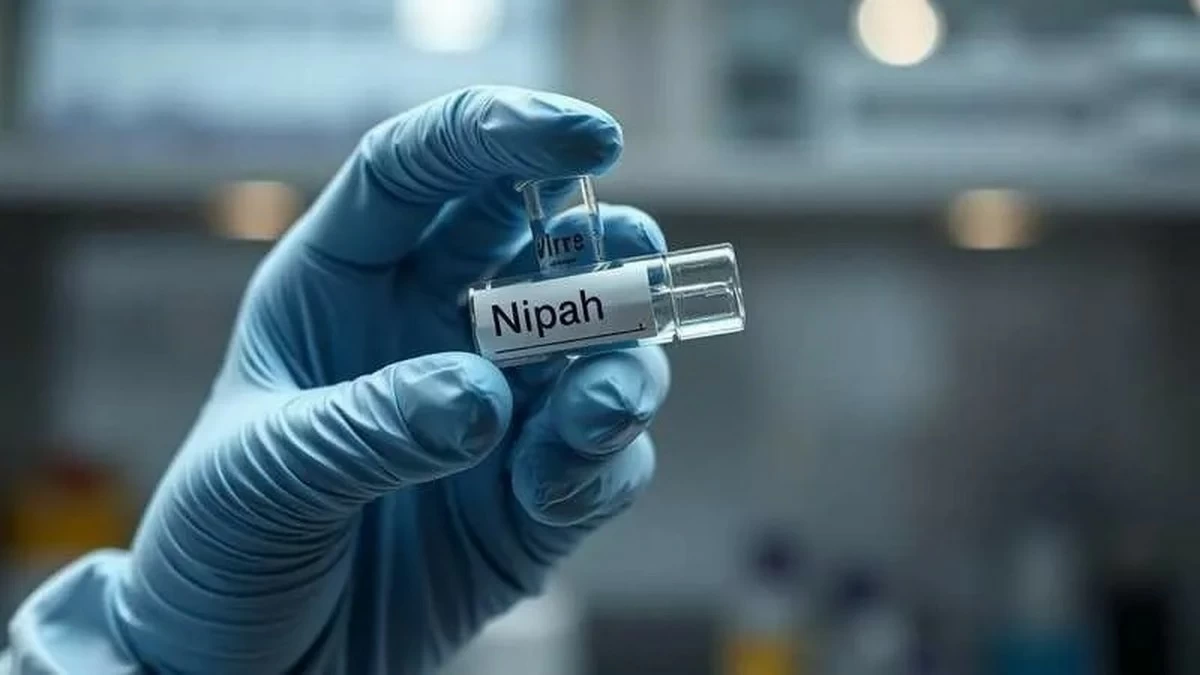

KOLKATA, India, Jan 22: Two cases of Nipah virus, a rare and highly fatal bat-borne pathogen, have been confirmed in a private hospital in West Bengal, India, prompting nationwide alerts, local quarantine, and emergency surveillance measures.
The infections involve two nurses at Narayana Multispeciality Hospital in Barasat, about 16 miles from Kolkata. One nurse remains in critical condition, while the other is showing signs of improvement, a senior official from the West Bengal Health Department told PTI.
The nurses were on duty together from December 28 to 30 and developed high fevers and respiratory distress between December 31 and January 2. They were admitted to the hospital’s intensive care unit on January 4 after their condition worsened. Initial investigations indicate they likely contracted the virus while treating a patient with severe respiratory symptoms who died before testing could be conducted. “The most likely source of infection is a patient who had been admitted previously. That individual is being treated as the suspected index case, and investigations are ongoing,” a senior official involved in the state’s Nipah surveillance said.
Authorities have implemented quarantine, emergency surveillance, and contact tracing. So far, 180 people have been tested, and 20 high-risk contacts have been quarantined. All contacts remain asymptomatic and tested negative, with re-testing scheduled before the 21-day quarantine ends, West Bengal Principal Secretary of Health Narayan Swaroop Nigam said.
India’s Ministry of Health and Family Welfare has issued a nationwide alert, urging states to strengthen surveillance, detection, and preventive measures to contain the outbreak. Several states, including Tamil Nadu, have instructed health authorities to monitor cases of Acute Encephalitis Syndrome (AES), a brain inflammation condition that can result from Nipah infection. Authorities advised hospitals to promptly notify all AES cases, particularly in individuals with travel or contact links to West Bengal.
Nipah virus, which can spread from bats to humans and via person-to-person contact through respiratory droplets and bodily fluids, has a fatality rate of 40–75 percent. Symptoms begin with fever, headache, vomiting, and fatigue, and can quickly progress to respiratory distress, encephalitis, seizures, and coma. Human-to-human transmission is a particular concern in hospital settings.
“Misidentifying Nipah as AES or other respiratory illnesses can have serious consequences, especially for healthcare workers,” said Ali Althaf, senior health official at Government Medical College, Thiruvananthapuram. “Early recognition is critical to prevent exposure to this often fatal virus.”
West Bengal health authorities stated that the initial case was not misdiagnosed, but rather likely missed. “We are expanding the criteria for testing so clinicians know when to suspect Nipah and when to order broader panels,” a senior official said.
There is no approved vaccine for Nipah, and treatment is limited to intensive supportive care. Investigational antivirals such as remdesivir and ribavirin have been tried, but their efficacy is unproven. Experts emphasize prevention as the best strategy, including avoiding raw date palm sap, fruits contaminated by bats, practising strict hand hygiene, and using protective equipment when handling animals.
Past Nipah outbreaks in India, including those in Kerala and West Bengal, have demonstrated the importance of early detection, rapid case isolation, and contact tracing in limiting the spread and fatalities. Seasonal behaviour of fruit bats and certain cultural practices, such as consuming raw date palm sap, can increase the risk of transmission.
Health authorities continue to closely monitor the situation, expand testing protocols, and raise awareness among hospitals and the public. Dr. Aishwarya R, Consultant in Infectious Diseases at Aster RV Hospital, said: “Nipah virus is highly dangerous due to its rapid progression and high fatality rate. Early detection and immediate medical care are crucial to saving lives and preventing outbreaks.”
The emergence of these two cases has heightened concern across India, underlining the need for vigilance, preventive measures, and timely clinical response.