


09/11/2026

Share:
09/11/2026
Share:
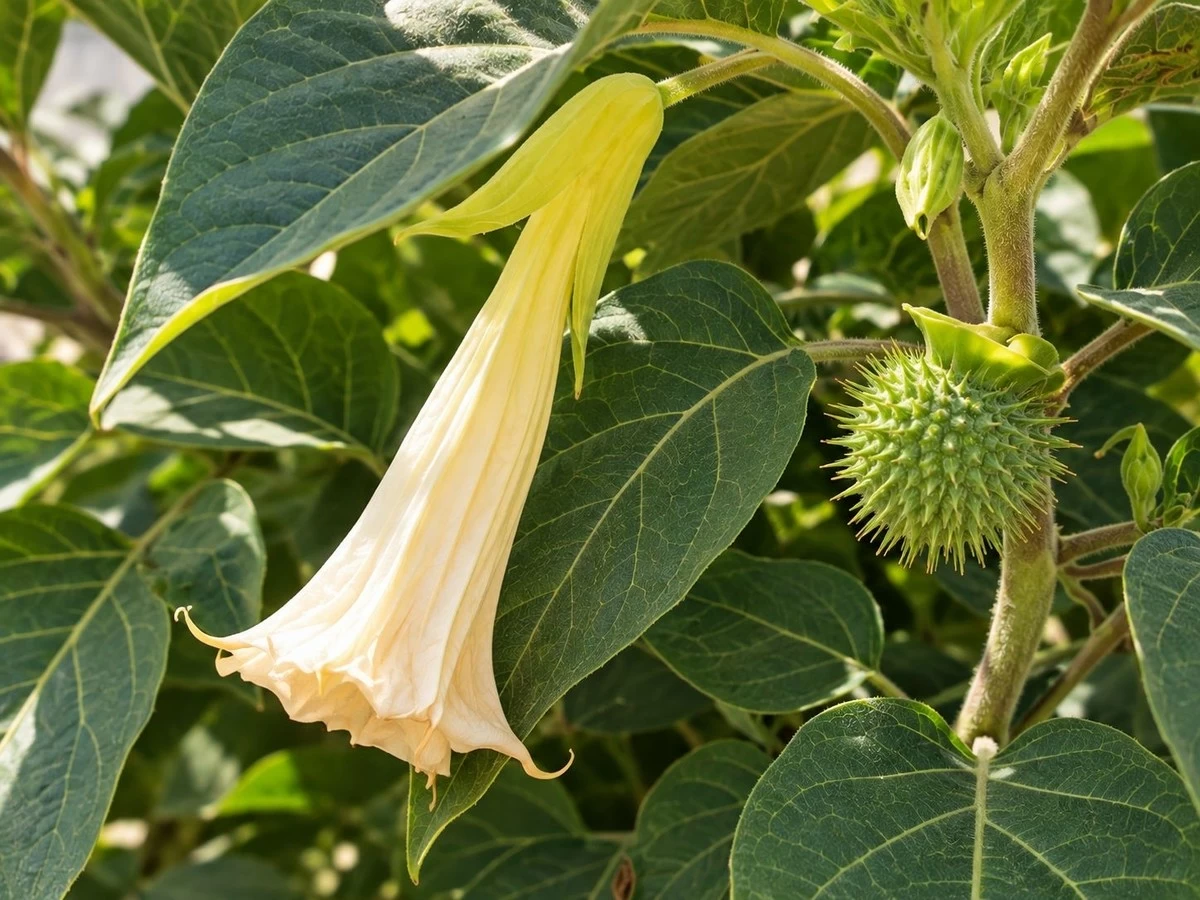

All parts of the plant contain toxic alkaloids, particularly tropane compounds such as atropine, hyoscyamine and scopolamine. Ingestion can cause severe poisoning, including dry mouth, dilated pupils, rapid heartbeat, confusion, delirium and hallucinations. Serious cases may lead to seizures, coma or death. Speaking to KUNA, Head of Kuwait Poison Control Center at Amiri Hospital Dr. Abdulatif Al-Oumi said various plants in Kuwait contained naturally occurring toxins, including ornamental species and plants growing in open areas. He explained that risks depended on the species, the part involved and the type of exposure. While some plants cause mild symptoms, ingesting others can result in severe poisoning requiring medical treatment. Datura can grow and reproduce naturally, and its presence does not necessarily indicate deliberate cultivation, he said, stressing that the main danger arises from unsafe handling or consumption.
Al-Oumi revealed that the center had recently handled severe poisoning cases involving toxic plants, including Datura, which required hospitalization. He highlighted the importance of awareness, particularly among families with children. The center had received reports of Datura growing in residential neighborhoods and public areas, prompting coordination with relevant authorities to identify affected locations, raise awareness and arrange its removal.
A coordination meeting was also held with the Environment Public Authority (EPA) to discuss poisonous plants and establish mechanisms for reporting, identification, risk assessment and appropriate action. Al-Oumi said the cooperation aimed to strengthen coordination between health and environmental authorities and reduce exposure to toxic substances. Anyone suspected of ingesting a poisonous plant should seek immediate medical attention and avoid inducing vomiting or using home remedies, he advised. Keeping a clear photograph of the plant can help specialists identify it.