

21/11/2026

Share:
21/11/2026
Share:

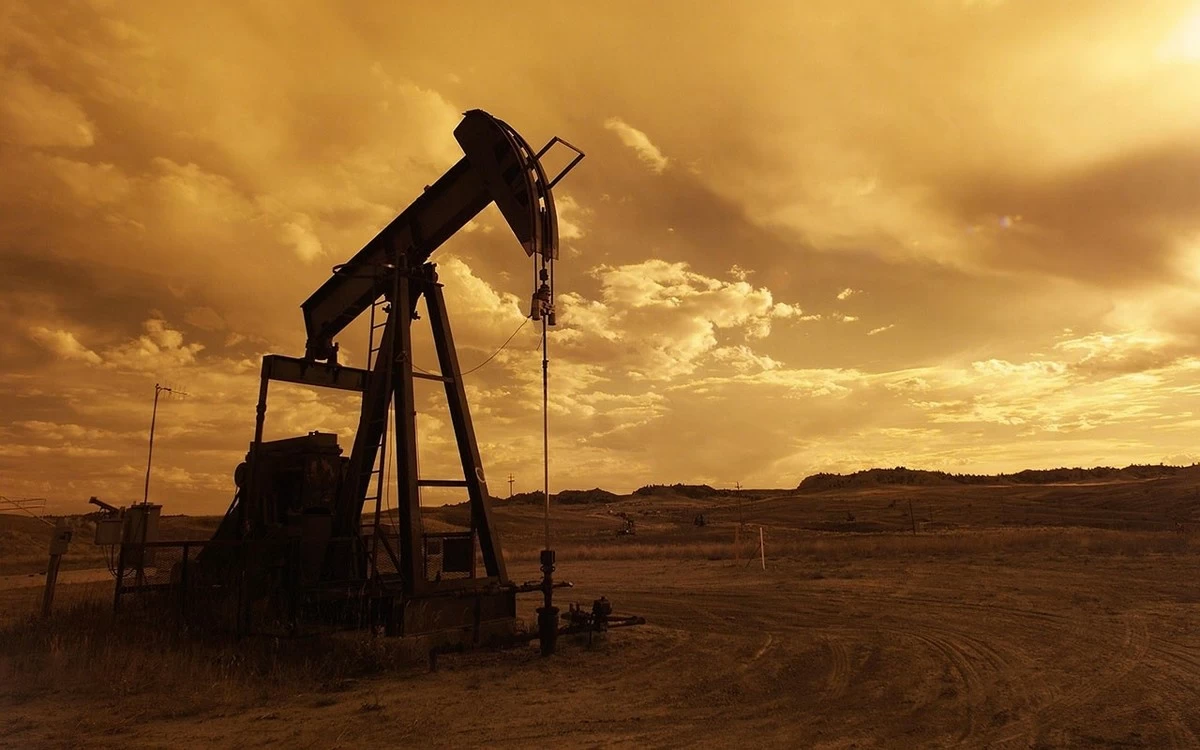
This reflects the current state of the oil market. While crude oil is readily available almost everywhere, the real supply squeeze is affecting finished refined products, which are now in greater demand. With winter approaching, the need for heating oil is also increasing. The pressure on heating oil supplies is significant, with more than 50 percent of Russian refining capacity out of operation. Whether the actual figure is lower, at around 30 percent, as Russia claims, the underlying fact is that this is the time of year when heating oil demand rises and refineries should be operating at full capacity, creating excellent profit margins.

Regardless of which figure is correct, the situation means greater demand for supplies from outside sources to fill the gap. The United States is the only country capable of meeting such a large volume of heating oil demand. This could eventually lead to further increases in domestic petroleum product prices in the United States, as exporting refined products becomes more attractive to American refiners. It is always finished petroleum products that are in demand. Producing crude oil alone does not generate the same level of added value.
This is what drives the expansion of refineries and the production of refined petroleum products, creating greater added value while increasing the number of customers and locations This is where Kuwait’s oil industry stands ahead of other oil-producing countries. Its finished petroleum products reach customers across the globe, supported by six refineries located in and outside the Arabian Gulf region, extending as far east as Vietnam and west to the Milazzo refinery in Italy.
Domestic refining capacity totals 1.4 million barrels per day, with three additional refineries in Oman, Vietnam, and Milazzo, Italy, providing a combined capacity of 600,000 barrels per day. Kuwait’s oil industry has not stopped at the refinery gate. It has gone further by establishing direct relationships with customers through service stations that serve their daily needs. These stations offer a wide range of services, including laundry, groceries, and postal services, making them almost a second home for customers. They operate around the clock, 24 hours a day. These are the types of services provided by Q8 stations in Europe and Vietnam, with the concept eventually returning to Kuwait, its original home.
Kuwait must do everything possible to extract the maximum added value from its oil resources, remain competitive with its peers, and, whenever possible, stay ahead of them. This is particularly important in highly competitive and challenging environments where every penny counts. Moving into downstream operations is challenging, but it is also rewarding and demanding. Kuwait has never stopped striving to remain competitive, and it must continue to do so. Oil is the country’s sole source of income, and its value must be enhanced to the greatest possible extent. The industry must not stop at any stage of the oil value chain, as opportunities to generate further added value exist at every level. Oil is Kuwait’s bread and butter.
Independent Oil Analyst