


28/08/2026

Share:
28/08/2026
Share:
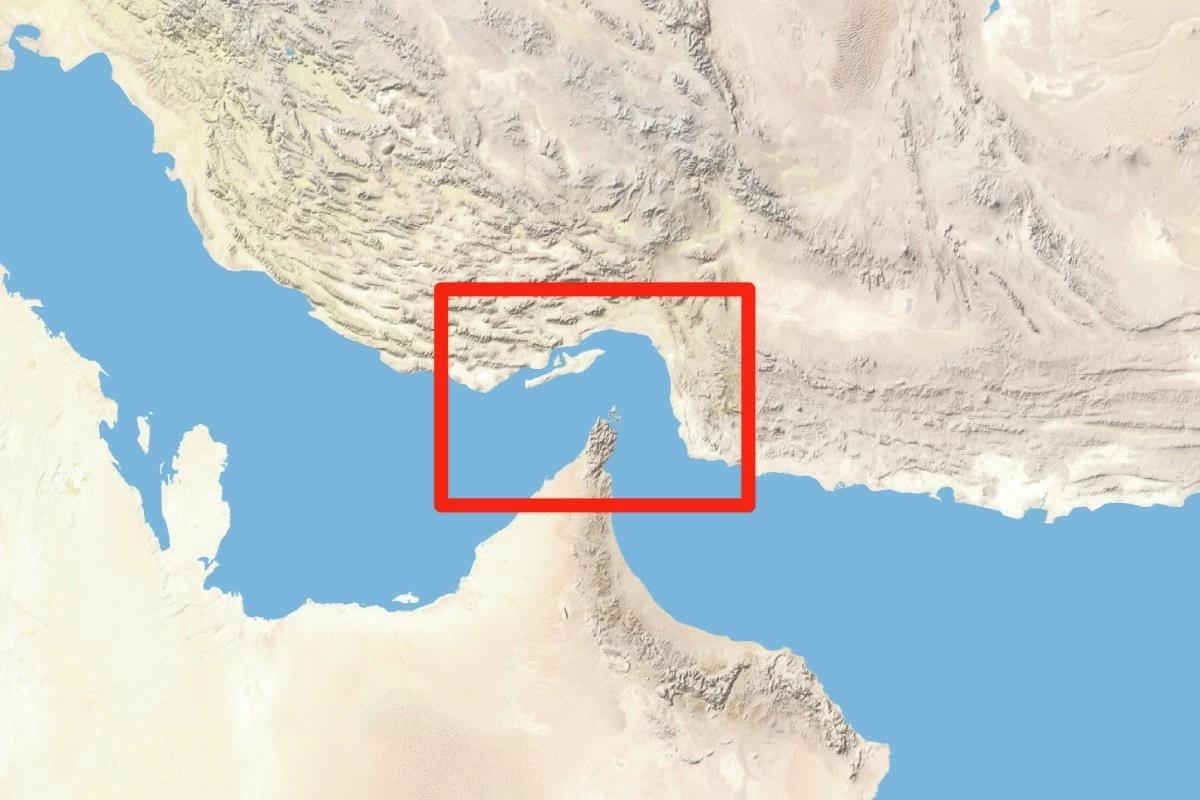

DUBAI, Aug. 28: Persian Gulf states are accelerating billions of dollars in investments in ports, pipelines and railways as they seek to reduce their dependence on the Strait of Hormuz following months of disruption during the Iran war, Reuters reported Friday.
The disruption has prompted governments across the region to look for alternative routes for oil, gas and other trade, with increasing volumes being redirected toward Saudi Arabia’s Red Sea ports and the United Arab Emirates’ eastern coast. The moves are aimed at creating more resilient transport and energy networks that can continue operating if shipping through the strategic waterway is disrupted again.
Ports have emerged as a major priority for governments seeking to strengthen alternative trade routes. One industry source cited by Reuters described ports as a “mission-critical priority” and said Saudi Arabia’s investment focus over the next one to two years would be “ports, ports, ports.”
Saudi Arabia has fast-tracked plans to expand its crude oil pipeline network to the Red Sea, potentially allowing larger volumes of oil to reach export terminals without passing through the Strait of Hormuz. The expansion would give the world’s largest oil exporter greater flexibility in moving crude to markets while reducing its exposure to disruptions in the waterway.
The United Arab Emirates is also expanding its alternatives to Hormuz. A pipeline project is expected to double crude capacity to the eastern port of Fujairah next year, while DP World plans to develop two new container terminals there. Fujairah’s location outside the Strait of Hormuz makes it an important part of the UAE’s strategy to maintain access to international markets during periods of heightened regional tension.
Kuwait, another major oil exporter that relies heavily on Hormuz, is discussing access to Saudi and Emirati pipeline networks to provide alternative routes for its oil shipments. Iraq is similarly pursuing additional export options through Turkey, Syria and Jordan as it seeks to reduce its dependence on routes vulnerable to disruption.
The crisis has highlighted the broader economic risks faced by Gulf countries whose trade and energy exports depend heavily on the Strait of Hormuz, one of the world’s most important energy shipping routes. Qatar is particularly exposed because its liquefied natural gas exports relied entirely on the strait before the conflict.
The disruption has also affected sectors beyond energy and shipping. Aviation, tourism, industrial activity and other parts of the regional economy have suffered from the wider instability and interruptions to transportation.
“The recent Strait of Hormuz crisis has given us a very important lesson that these vulnerabilities are real,” former Atlantic Council fellow Afaq Hussain told Reuters.
The scale of the response is expected to be substantial, with the infrastructure drive potentially requiring hundreds of billions of dollars in investment as Gulf states seek to build permanent alternatives and reduce the economic risks associated with dependence on a single strategic waterway.