



14/07/2026

Share:
14/07/2026
Share:
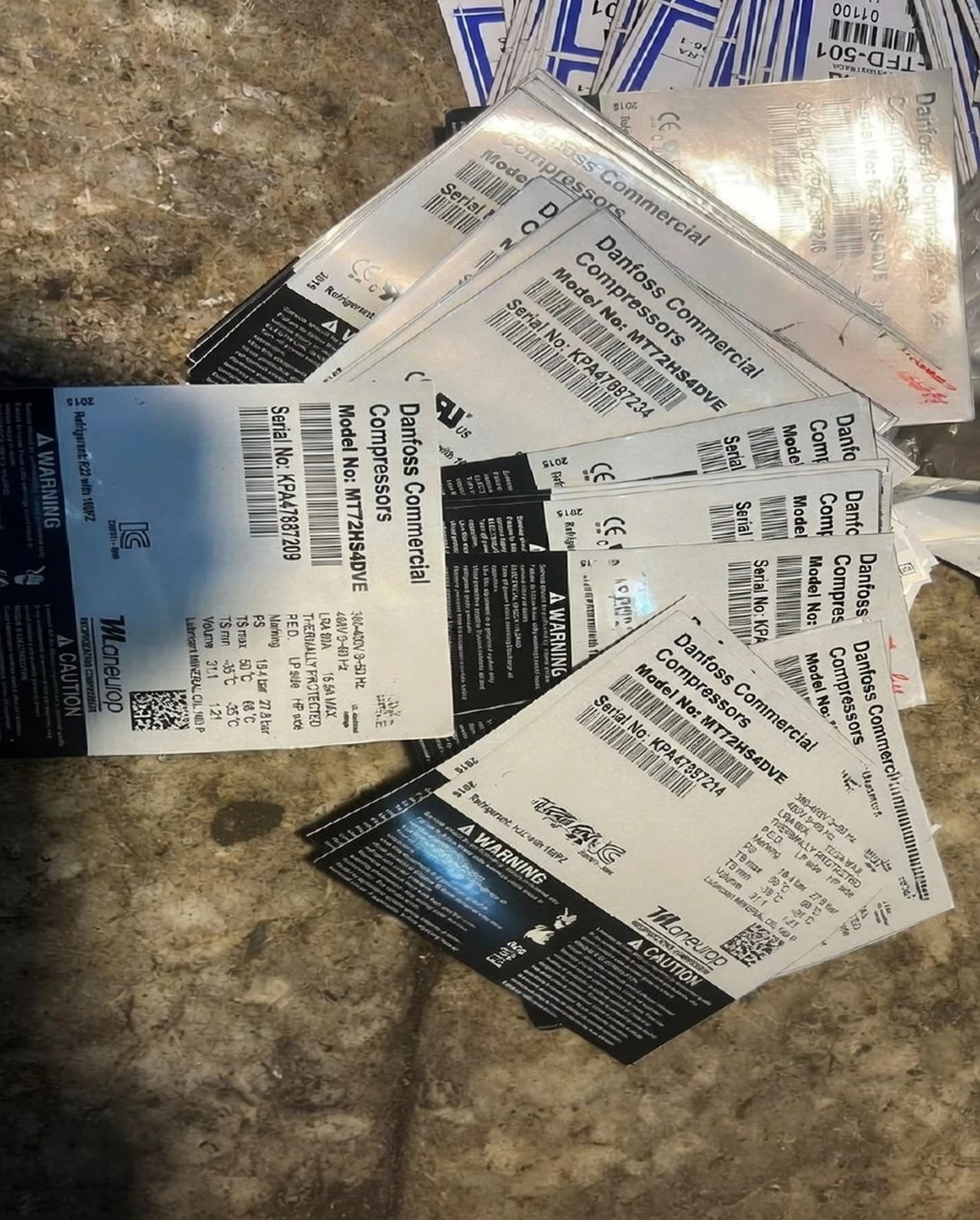

KUWAIT CITY, July 14: The Ministry of Commerce and Industry will launch an intensive monitoring campaign to regulate markets and combat commercial fraud and the sale of counterfeit products that violate intellectual property rights laws, following its extensive campaigns last week, say reliable sources. Sources confirmed to the newspaper will conduct inspection tours to regulate markets and carry out commercial fraud operations, to eliminate counterfeit products and track down those violating intellectual property rights laws. Sources said the ministry will focus on preventing violations of the intellectual property rights of international companies, in addition to protecting the reputation and standing of Kuwait in international rankings related to combating commercial fraud.
Sources revealed that the most counterfeited products include watches with international brand names, clothing, shoes, car parts and many other products. They pointed out that the ministry is exercising its regulatory role in combating commercial fraud and counterfeit goods through the inspection teams assigned in all governorates, especially since possessing, displaying or selling counterfeit products are clear violations of intellectual property and trademark protection laws. Moreover, the ministry asserted that trademark infringement constitutes forgery and a violation of the law, indicating that this occurs when someone forges a registered trademark or uses a counterfeit mark with malicious intent to mislead the public, whether by imitating the name, logo or shape of the mark, thus, deceiving consumers and causing confusion. It warned that the penalty for trademark infringement is severe, ranging from imprisonment for a period of one month to three years, or a fine of KD385 to KD77,000 depending on the nature of the offense or the imposition of one of these two penalties.
It stressed the need to distinguish between the two concepts that are often confusing for consumers and business owners. It clarified that a trade name is the official registered name of a business establishment or institution, while a trademark is the logo, word or visual symbol that a business owner puts on the product to enable consumers to identify its quality and origin at a glance. Meanwhile, economic advisor Abdullah Al- Gharib pointed out that the counterfeiting of products has become a global, cross-border crisis, citing the joint report issued by the Organisation for Economic Co-operation and Development (OECD) and the European Union Intellectual Property Office (EUIPO), which revealed that the value of the global trade in counterfeit and pirated goods reached about $467 billion two years ago.
Al-Gharib predicted that the volume of this illicit trade will jump globally to nearly $600 billion due to the current geopolitical tension. He said the military unrest and the closure of the Strait of Hormuz directly contributed to the resurgence of smuggling networks and the flourishing of counterfeit goods markets as an informal alternative amidst disruptions to global supply chains. He pointed out that the greatest danger lies in the increasing number of counterfeit medicines and cosmetics due to their impact on consumer health and safety. He said Kuwaiti companies and original distributors incur enormous financial and operational losses annually due to the proliferation of counterfeit goods and brands in local markets. He expressed his satisfaction over the recent campaign launched by regulatory authorities against several shops selling counterfeit versions of international brands.
He asserted that those promoting counterfeit goods reap millions of Kuwaiti dinars from this trade, which is criminalized by the Ministry of Commerce and Industry and prohibited by international economic organizations. He explained that these damages are not limited to a decline in sales, but also extend to harming the intangible assets of companies. He said the losses incurred by Kuwaiti companies due to trademark counterfeiting are clearly reflected in the declining revenues and reduced market share.
“The majority of sales go to counterfeiters due to the huge price difference, leading to a decrease in net profits for the original companies. This, in turn, diminishes the market value of their products and destroys brand identity, negatively impacting the advertising sector. Furthermore, companies bear the additional costs of filing lawsuits to protect their products from commercial fraud,” he added. He then called on the regulatory authorities to intensify their campaigns against markets that violate intellectual property rights and sell counterfeit perfumes, watches copied from the originals, and imitations of international clothing brands
By Najeh Bilal Al-Seyassah/Arab Times Staff