


04/04/2026

Share:
04/04/2026
Share:

NEW DELHI, Apr 4: The ongoing war in the Middle East has begun to disrupt global energy supply chains, with clear spillover effects now being felt in India, where consumers across several states are reporting delays in liquefied petroleum gas (LPG) cylinder deliveries and a tightening of supply over the past month.
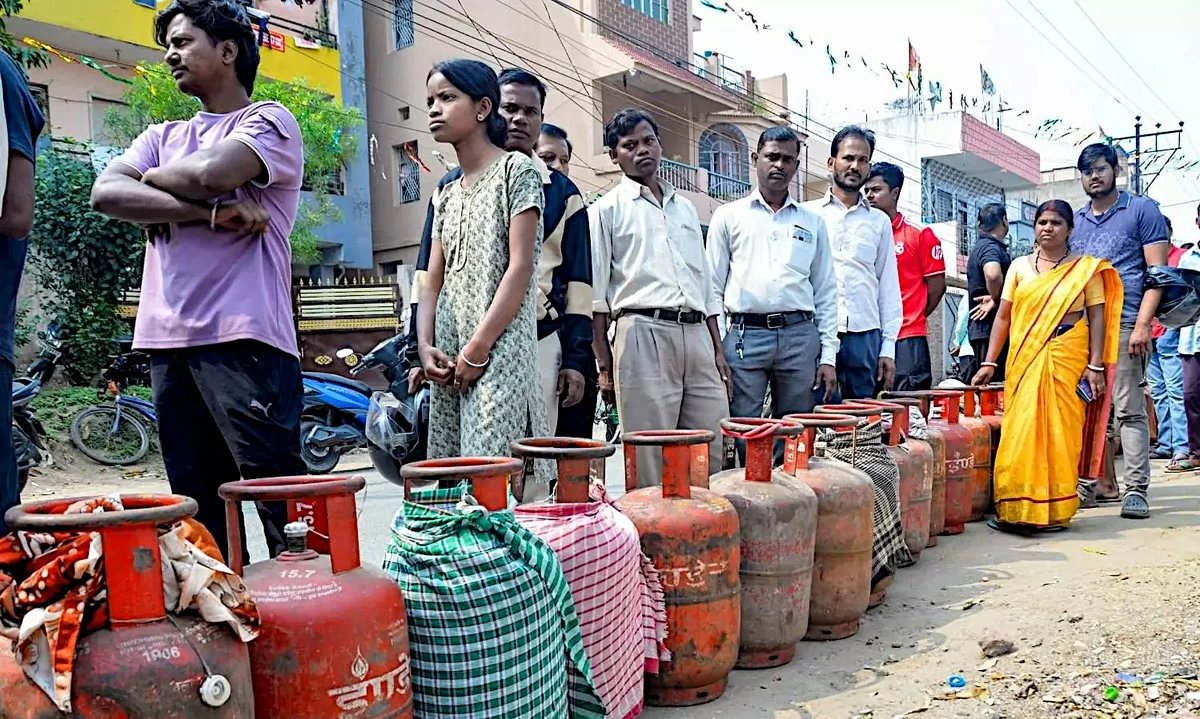
Across urban centres such as New Delhi and smaller towns in multiple regions, households say the normal cycle of LPG refills—previously delivered within a day or two—has stretched significantly, with some customers waiting more than a week. Gas agency outlets in several locations have reported longer queues, increased booking backlogs, and rising customer complaints as distribution schedules struggle to keep pace with demand.
The impact has been uneven but widespread, with reports emerging from at least a dozen states indicating varying degrees of shortage or delayed delivery. While no official nationwide rationing has been announced, consumers and local distributors report a noticeable slowdown in replenishment cycles, prompting some households to conserve existing cylinders or seek alternative cooking arrangements.
One illustrative case comes from the Karol Bagh area of New Delhi, where a resident (name changed on request) had recently refilled an LPG cylinder just before supply constraints became apparent. What initially appeared to be sufficient reserve stock soon became a concern as delays lengthened and uncertainty about future deliveries increased. The situation became more complicated following a family bereavement, which required preparations for a large post-funeral gathering expected to host several hundred people.
With limited access to additional cylinders, the family reportedly explored alternative cooking methods. Traditional caterers, or halwais, who are typically reliant on LPG-based commercial stoves, were in some cases persuaded to switch to coal-based cooking partially. However, even these adjustments did not fully eliminate dependence on LPG, as some cylinders were still required for large-scale food preparation.
Similar coping strategies are being reported in other parts of the country, where small businesses and migrant workers in particular are feeling the strain. Some workers have reportedly returned temporarily to rural areas, where firewood and traditional chulha-based cooking remain more accessible than urban LPG-dependent setups.
Industry observers suggest that the disruption is linked to tightening international energy markets, with geopolitical tensions affecting shipping routes, fuel availability, and distribution costs. Although India’s domestic LPG distribution system remains operational, logistical pressure and supply chain delays appear to be creating temporary bottlenecks rather than a complete shortage.
Energy distributors and authorities have not yet issued any formal nationwide restrictions or emergency rationing orders. However, consumers continue to report inconsistency in delivery timelines, with refill schedules varying significantly between regions and agencies.
As the situation develops, households across affected areas are increasingly adjusting consumption patterns, reducing usage, and planning cooking needs more carefully, while awaiting stabilization in global supply conditions.