



06/07/2026

Share:
06/07/2026
Share:
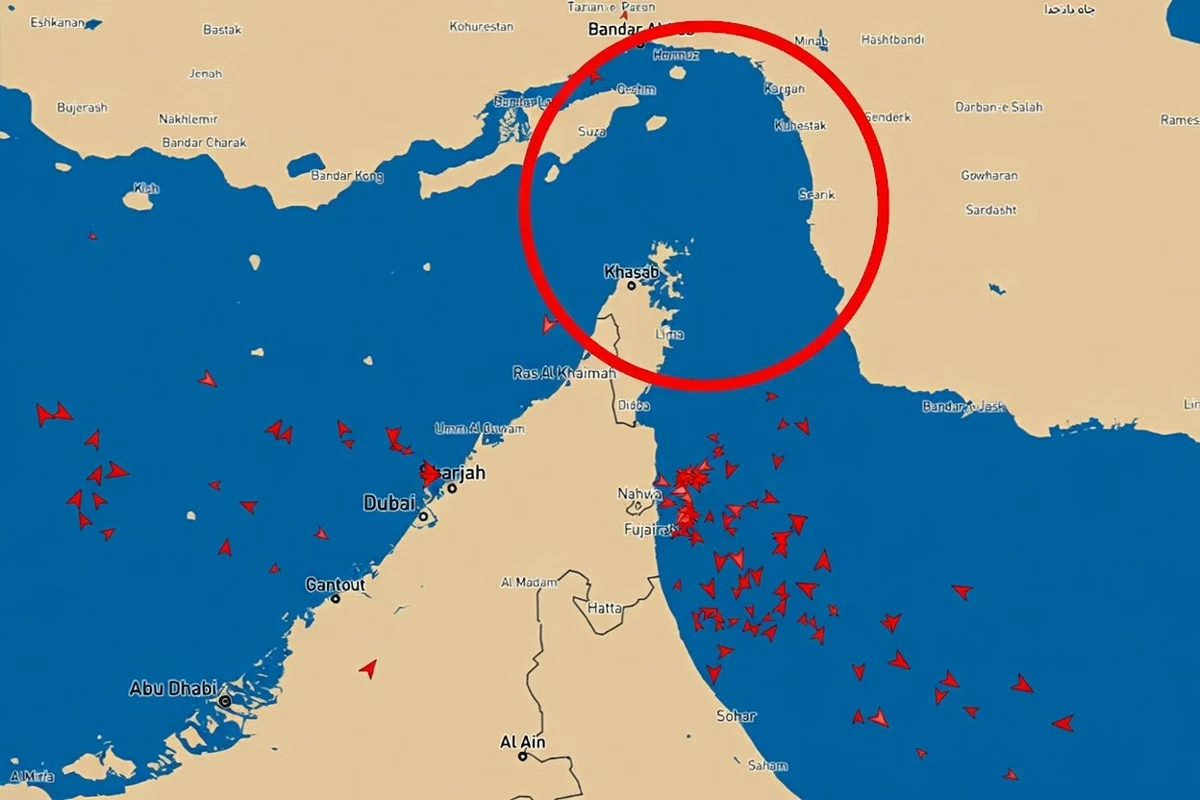

MUSCAT, Jul 6: Nearly one-third of vessels transiting the strategically vital Strait of Hormuz over the weekend opted to sail along Oman's coastline, reflecting growing caution among shipping companies as regional security risks remain elevated.
According to a report by CNN, citing maritime tracking agency MarineTraffic, 108 vessels crossed the Strait of Hormuz between Friday and Sunday, with 30 ships, including crude oil and liquefied petroleum gas (LPG) tankers, choosing the southern route near Oman instead of the traditional shipping lane.
Traffic through the narrow waterway—which handles roughly 20% of the world's oil and liquefied natural gas supplies—was busiest on Friday, when 43 vessels made the crossing. The number fell to 34 on Saturday and 31 on Sunday, according to the tracking data.
The shift comes as shipping companies continue to closely monitor security conditions in one of the world's most strategically important maritime chokepoints, where tensions have periodically raised concerns over the safety of commercial navigation.
Meanwhile, the Joint Maritime Information Center (JMIC) said on Monday that the southern transit route through the Strait of Hormuz remains open and available for commercial shipping despite what it described as a "substantial" maritime security threat.
In its latest advisory, the JMIC urged mariners to remain vigilant and warned vessels to expect radio contact (VHF hailing) from naval forces operating in the region. It also reminded crews to remain aware of designated mine danger areas within the traditional traffic separation scheme.
The maritime security center advised vessels using the southern route to maintain their Automatic Identification System (AIS) transmissions, keep radars fully operational, switch on navigation lights, and continue normal VHF radio communications during both daytime and nighttime transits.
The JMIC also encouraged commercial vessels to coordinate with U.S. Navy maritime authorities for the latest guidance on safe transit routes through the Gulf.
The Strait of Hormuz remains one of the world's most critical energy corridors, linking Gulf oil producers to global markets. Any disruption to shipping through the narrow passage has the potential to affect global energy supplies and international oil prices.