


04/04/2026

Share:
04/04/2026
Share:

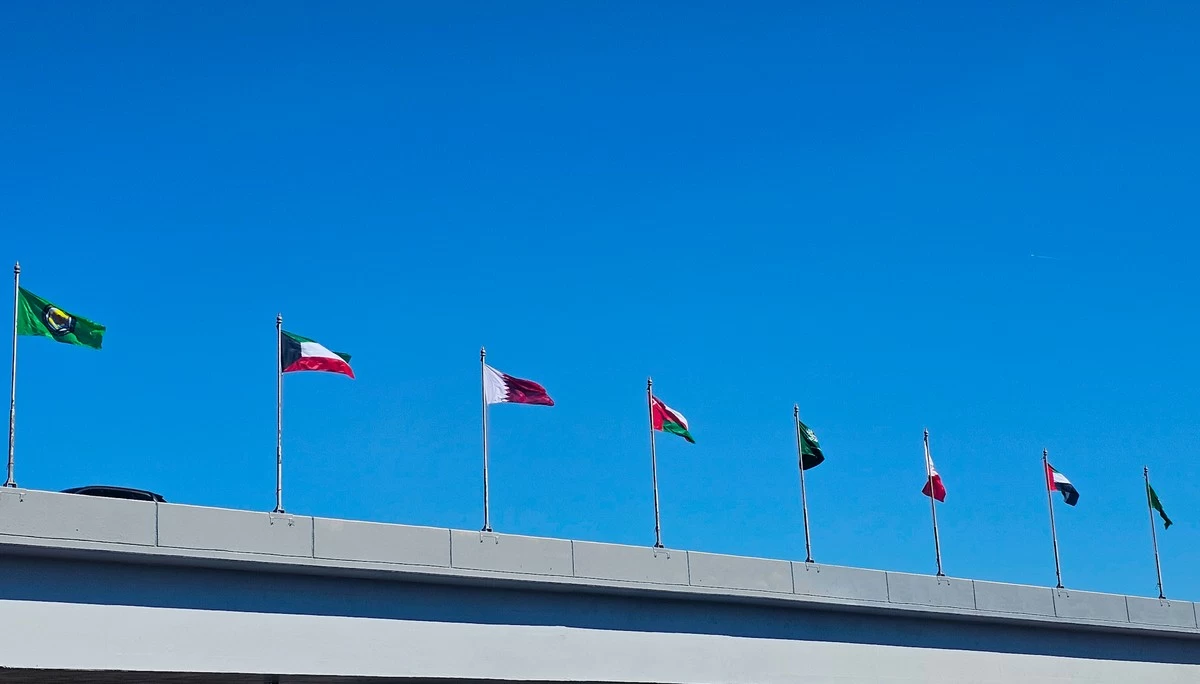
The flags of the Gulf Cooperation Council countries
We are entering the second month of the closure of the Arabian Gulf, with no movement of crude oil, petroleum products, or gas through oil tankers or any other vessels passing through it, except for those of Iran. The primary party responsible for closing this strategic passage is also the one that continues to move more than 22 million barrels daily through this vital global energy route, including its own shipments. This represents between 20 and 30 percent of global supply, translating to losses of about 1.1 billion dollars per day. The closure caused an immediate increase in oil prices to above 112 dollars per barrel, while Arab Gulf crude reached around 126 dollars per barrel.
However, such high levels are not fully realized at present, as most oil producers in the Gulf are unable to produce, export, or transport their oil through the Gulf. This is due to the closure imposed by the Iranian authorities, which are not allowing any loaded oil tankers to pass. This is even though no single country owns or controls such a vital waterway, which normally carries around 22 million barrels of oil daily, mainly to Asia, where demand for Gulf oil is high. The only two countries in the Gulf that can bypass this situation are Saudi Arabia and the United Arab Emirates. Saudi Arabia can transport its crude oil through Yanbu on the Red Sea at around 4 million barrels per day, with the capacity to increase to about 7 million barrels per day.
The other country is the United Arab Emirates, which can pump and export about 1.5 million barrels per day through the Habshan pipeline to the Emirate of Fujairah. Iraq can also export crude from its northern Kirkuk oil fields through the Ceyhan port in Turkiye at around 250,000 barrels per day. The current oil situation, with the closure of the Gulf, is causing panic in the oil markets. Some oil consumers are seeking ways to protect their interests and ensure that oil continues to flow freely without interruptions or interference. The Gulf is a natural maritime passage and should remain free for all, with no charges or fees imposed by any country, as it has been throughout the history of the Arabian Gulf. It has been and should be open and accessible to everyone, forever.

Kamel Al-Harami
On the financial side, the closure could result in losses exceeding 15 billion dollars in revenues. While Iran may appear to benefit in the short term, it is losing credibility and risks global legal condemnation for its selfish actions. These actions are creating chaos worldwide, generating anger toward the current Iranian establishment for blackmailing the world, and contributing to inflation and rising prices in almost all sectors, from fuel and food to everyday goods. This is not to say that our country, Kuwait, is coming under attacks on the most vital facilities that our lives depend on - our water desalination plants, oil facilities, and civilian infrastructure - while our people go about their work and daily lives. What has Kuwait done to Iran to deserve these military attacks, when we have always supported Iran in times of need? We have never hesitated to assist and provide help, yet now we are being targeted, with vital installations such as water plants, refineries, and crude oil export facilities at risk. No one can accept Iran’s unilateral action of closing the Arabian Gulf.
It belongs to all countries in the region, and no single nation has the right to control or restrict its free passage. Such actions will face global condemnation without hesitation. The Gulf is a critical source of oil for the world, and shutting down its facilities will cause panic, drive up inflation, and affect daily life for people everywhere. What harm have our Gulf countries done to justify closing this vital waterway? It is time for Iran to rethink this criminal act. Your neighbors deserve better. Love thy neighbor.