



06/10/2026

Share:
06/10/2026
Share:
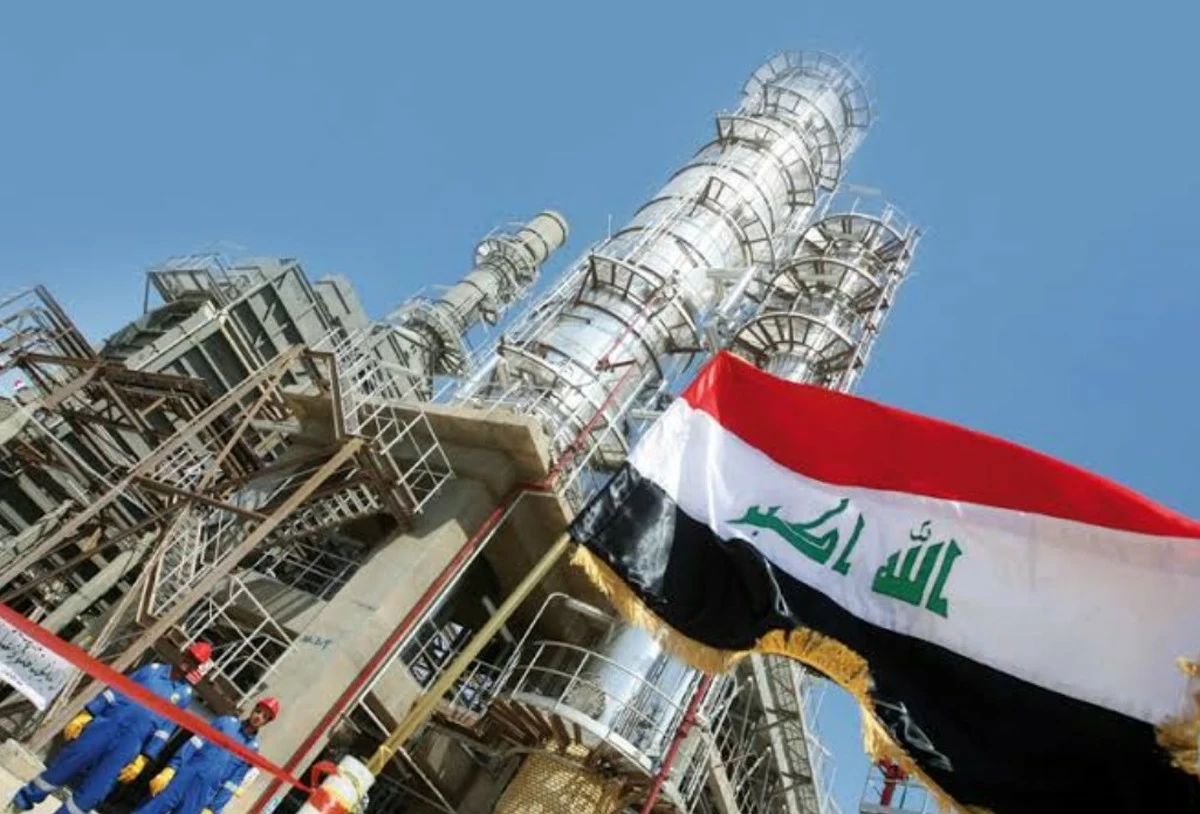

BEIJING, Oct 6 : Chinese independent oil refiners are turning increasingly to Iraqi crude as supplies of Iranian oil have dwindled following a US naval blockade, while competition from state-owned Chinese companies has pushed Russian crude prices higher.
Private refiners, particularly smaller “teapot” refineries in Shandong province, have bought Iraq’s Basrah Medium and Basrah Heavy crude for November delivery at premiums of up to $18 a barrel over ICE Brent, according to traders cited by Bloomberg.
The purchases reflect an urgent search for replacement supplies rather than a broad recovery in Chinese oil demand. Reuters separately reported Tuesday that Chinese independent refiners had purchased at least 12 million barrels of Iraqi and Qatari crude, with one trader estimating total purchases at 15 million to 20 million barrels. The cargoes were bought at premiums of roughly $12 to $20 a barrel over Brent.
The shift comes as Iranian crude supplies to China have fallen sharply. Kpler data cited by Reuters showed Chinese imports of Iranian oil nearly halved year-on-year in September to about 590,000 barrels per day, their lowest level since January 2023. Kpler also estimated that Iranian crude held in floating storage had fallen to about 45 million barrels from around 100 million barrels in late July.
Iran had been a major supplier to China’s independent refiners, which were attracted by heavily discounted sanctioned crude. Bloomberg reported that Iranian supplies to these refiners had exceeded 1 million barrels per day before the latest disruption. At least 50 tankers carrying mainly Iranian crude were reported backed up along China’s coast amid the US blockade.
The shortage has also made Russian crude less attractive to the independent refiners. State-owned Chinese companies have secured much of the available Russian supply, pushing prices higher. Russian ESPO crude was reported to be trading at a premium of nearly $30 a barrel over Brent, making Iraqi crude a more competitive alternative for smaller refiners.
Some Shandong refiners could face depleted inventories by the end of October if alternative supplies are not secured quickly. Kpler analyst Muyu Xu said refiners needed to obtain replacement crude to avoid shutting down or substantially reducing refinery operations.
The pressure is already affecting refinery operations. Reuters reported that Shandong refinery utilisation fell to about 55% at the end of September from nearly 60% at the beginning of the month, while refiners were recording losses of roughly 250 to 500 yuan ($37-$75) per metric ton by late September.
Iraqi crude has consequently emerged as an important alternative because of its availability and relatively prompt delivery. Chinese independent refiners have traditionally preferred cheaper Iranian crude and Russia’s ESPO blend, but the current supply squeeze is forcing them to accept the higher-sulfur characteristics of Basrah grades.
The latest purchases also come as crude flows from other Gulf producers recover, providing Chinese refiners with more access to non-sanctioned Middle Eastern supplies. Reuters said Iraqi and Qatari crude purchases have increased as Iranian supplies decline.