



24/06/2026

Share:
24/06/2026
Share:
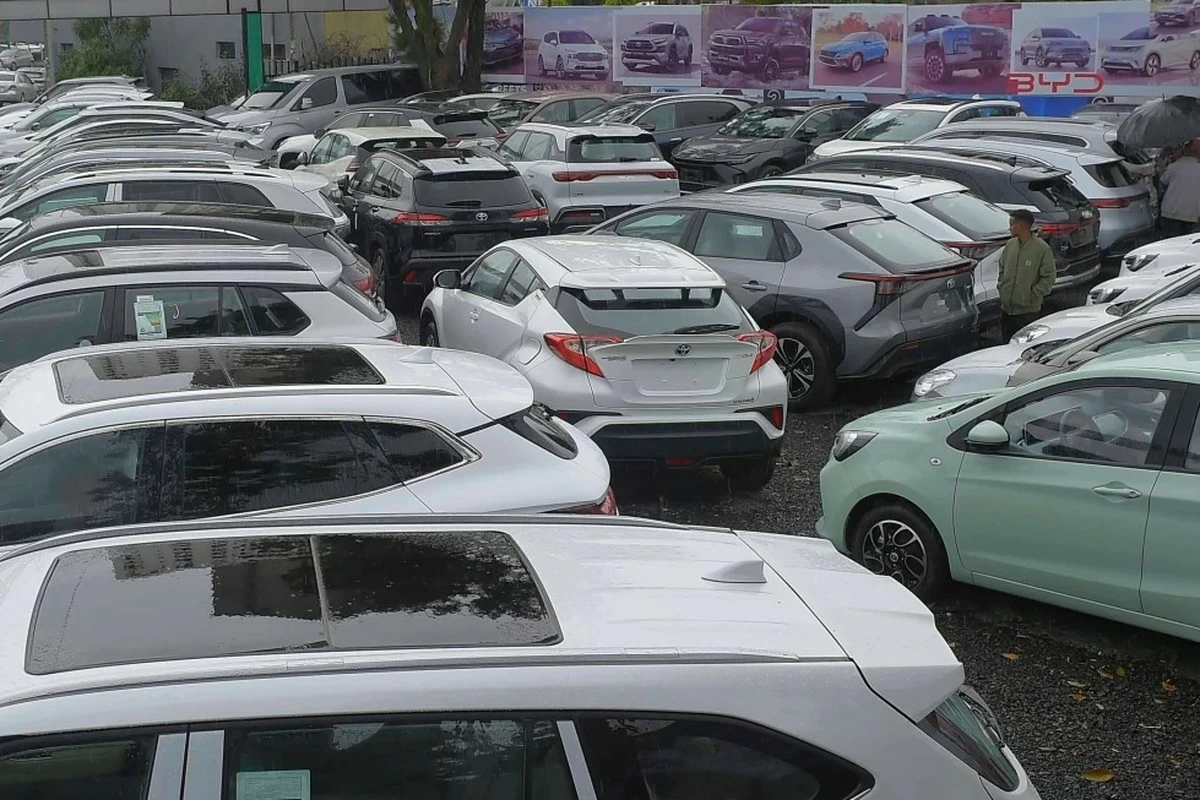

NEW DELHI, Jun 24: Chinese automakers remain largely locked out of India, but their electric vehicle technology is beginning to make its way into the world’s third-largest car market through carefully structured supply partnerships with Indian manufacturers.
Since a deadly border clash in 2020, New Delhi has tightened scrutiny of Chinese companies and largely restricted direct investment from China. At the same time, Beijing has introduced controls on the export of key technologies, including those linked to electric vehicles and batteries.
Despite these political and regulatory barriers, cooperation between the two countries’ auto industries is quietly expanding.
Earlier this month, Tata Motors said it would use a vehicle platform developed by China’s Chery to manufacture premium electric vehicles in India. The arrangement does not involve an equity stake, and both companies have described it as a supply deal rather than a technology-transfer agreement — a structure that reflects the sensitivities surrounding India-China business ties.
The deal gives Tata, India’s third-largest automaker, a faster route to launching new EV models while avoiding the regulatory scrutiny that typically accompanies Chinese investment in India.
Industry experts say such partnerships are likely to become more common as India pushes to expand manufacturing and become a bigger part of global supply chains.
“If India wants to expand its manufacturing sector and be a bigger part of the global supply chain, partnership with China is inevitable. If Chinese companies want to be global leaders, they cannot wish away India and its economic potential,” said Santosh Pai , partner at Dentons Link Legal.
Tata is expected to initially rely on imported kits and components from China before gradually increasing local sourcing and manufacturing. Some Indian policymakers view this model positively, as it could eventually strengthen domestic production.
“We are supportive of deals that lead to more local manufacturing or supply-chain shifts down the road. That is a good way to approach China,” a senior Indian government official said.
For Chinese carmakers, which are dealing with slower growth at home and excess manufacturing capacity, supply-led arrangements with Indian companies offer a way to tap into India’s fast-growing EV market without triggering direct investment restrictions or violating Beijing’s export control rules.
Tata and Chery did not respond to requests for comment.
Battery Technology Cooperation Faces Hurdles
Technology licensing deals between Indian and Chinese firms had gained momentum after India tightened investment rules in 2020. However, recent export restrictions from Beijing have complicated such cooperation.
In 2025, Indian battery maker Amara Raja ended its licensing agreement with China’s Gotion for lithium-ion cell technology after Beijing imposed export controls in response to tariffs introduced by former US President Donald Trump.
“All technical collaboration has stopped,” said Vikramadithya Gourineni , executive director of Amara Raja.
Gourineni said the company was still able to gain valuable knowledge from the partnership, including insights into factory layouts, production line planning, technology roadmaps and supplier networks.
Amara Raja is now importing equipment, battery cells and other materials from Chinese suppliers as it pursues its cell manufacturing plans. However, the company is facing difficulties securing enough visas for Chinese engineers needed to provide operational support in India.
The developments underline a growing reality for India’s EV sector: while Chinese automakers remain politically sensitive and restricted, Chinese platforms, components and technical expertise continue to play an important role in India’s electric mobility ambitions.