

16/11/2026

Share:
16/11/2026
Share:
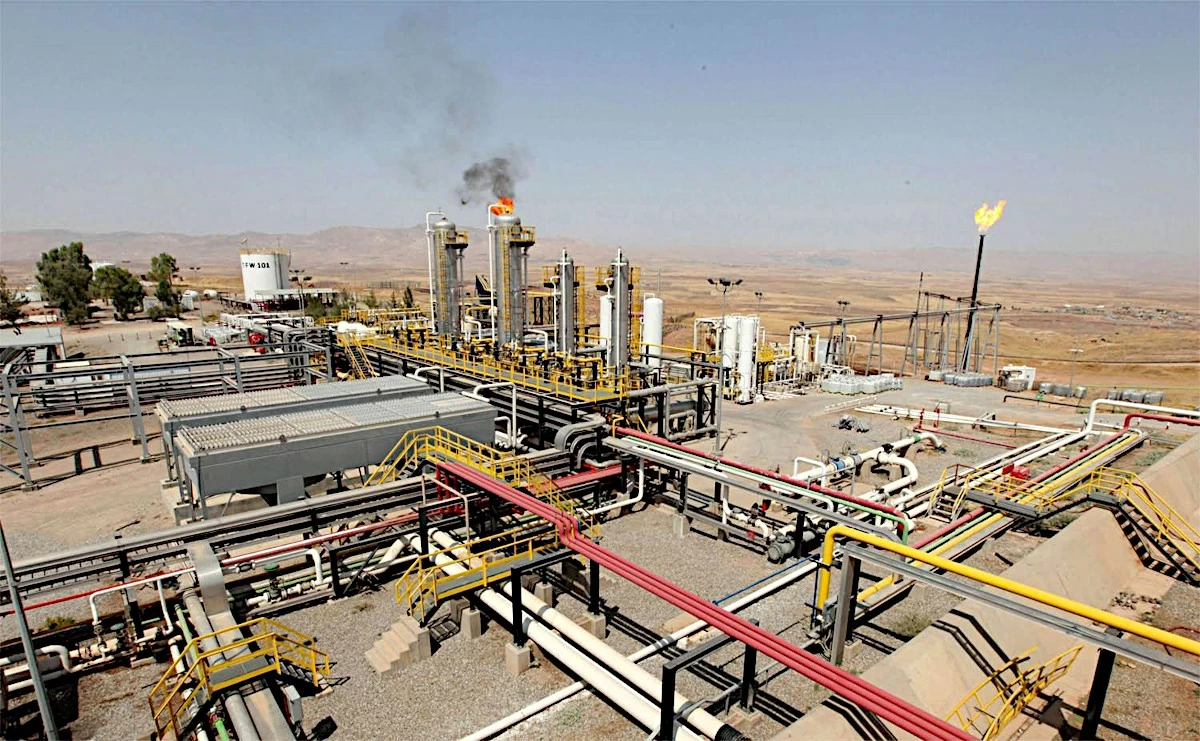

BEIJING, Nov 16 : Chinese independent oil refiners are increasingly turning to Iraqi crude to replace Iranian supplies disrupted by the US naval blockade of Iran, while rising prices for Russian oil are making alternative sources more attractive, Bloomberg reported Sunday.
Iranian crude has traditionally been a major source of discounted oil for China's private refiners. However, nearly nine months of war and the US blockade have severely disrupted Iranian shipments, forcing Chinese buyers to look elsewhere to meet their requirements.
Iraq has emerged as a major beneficiary of the supply disruption, offering discounted crude to buyers prepared to accept the logistical and security risks associated with transporting oil through the Strait of Hormuz.
International trading companies, including Mercuria Energy Group and Vitol, have been facilitating deliveries of Iraqi crude to Chinese refiners.
Mercuria has supplied as much as 20 million barrels of Iraqi oil to at least eight independent Chinese refiners in recent weeks, including Shenghong Petrochemical, Hongrun and Chambroad, Bloomberg reported, citing traders familiar with the transactions.
"Iraqi crude has emerged as a winner during this period," said Liao Na, founder of energy research firm GL Consulting, pointing to attractive trading terms offered to buyers willing to navigate the shipping risks.
The shift is also reflected in crude pricing. According to traders, Iraqi Basrah Medium and Basrah Heavy crude for December delivery traded at premiums of $13 and $11 per barrel above Brent, respectively. In comparison, Russia's ESPO crude commanded a premium of $24 per barrel.
Iran previously accounted for as much as 13% of China's seaborne oil imports, according to data intelligence firm Kpler, leaving a substantial gap in supplies following the disruption of shipments.
Kpler analyst Muyu Xu said Iraqi crude was among the cheapest comparable grades delivered to China, making it particularly attractive to independent refiners operating with tight profit margins.
However, the growing reliance on Iraqi oil also presents challenges. Analysts cautioned that its relatively high sulfur content could limit its suitability for some Chinese refineries.
This could encourage buyers to diversify further by sourcing crude from West Africa and Latin America.
The developments highlight how disruptions to Iranian oil exports and mounting shipping risks in the Gulf are reshaping global crude trade, with Iraq gaining a larger role in supplying China's independent refining sector.