


13/11/2026

Share:
13/11/2026
Share:
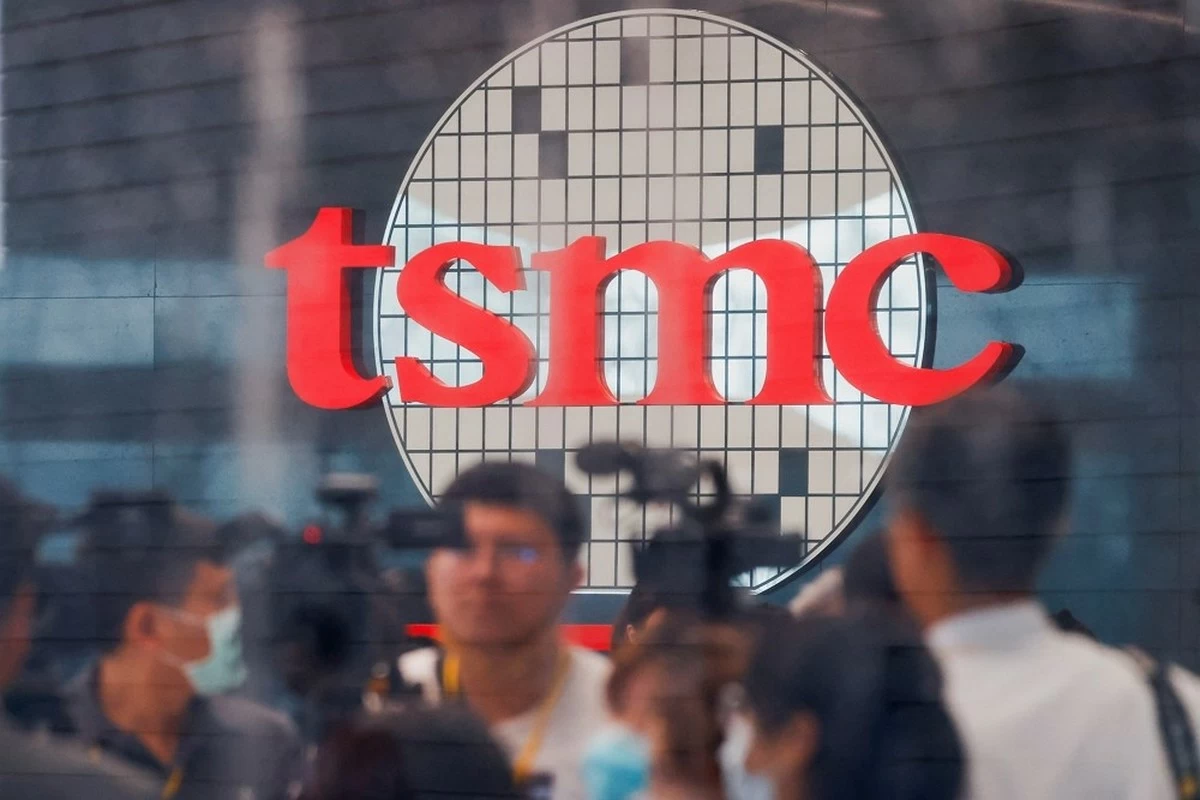

TAIPEI, Nov 13: The controversy surrounding Nvidia CEO Jensen Huang is unlikely to have a direct impact on Taiwan Semiconductor Manufacturing Company (TSMC), which manufactures more than 90% of the world's advanced chips, analysts say.
Huang is at the center of a controversy involving his alleged relationship with Alice Huang, a woman whom US officials reportedly identified as gathering information for Beijing. Nvidia's board is investigating whether its CEO was the target of a foreign intelligence operation.
Huang was also reportedly involved in an affair with an executive who reported directly to him. The relationship came to light just hours before the company's board was scheduled to meet to discuss his future, according to The New York Times.
Nvidia has been a major driving force behind the global artificial intelligence industry, which relies heavily on advanced chips manufactured in Taiwan. TSMC, which handles much of Nvidia's chip production, has become one of the world's most valuable companies by market capitalization.
William Li, a senior analyst at market research firm Counterpoint Research, told Business Insider that demand for advanced semiconductor wafers was larger than any single executive or company.
He said there were no indications that Nvidia was slowing down or reducing its orders from TSMC, adding that other AI companies would likely purchase TSMC chips even if Nvidia's revenue declined.
Taiwan's Minister of the National Science and Technology Council, Cheng-Wen Wu (吳誠文), expressed a similar view, saying an isolated incident should not have any significant impact on Taiwan's AI development.
Huang, who admitted to his affair in a message to employees on Sunday, is facing calls from Washington to step down as chief executive.
US Senator Kevin Cramer, a member of the Senate Banking Committee, told CNBC that Huang should resign, arguing that his alleged vulnerability to extortion or blackmail could raise national security concerns.
Last week, three US lawmakers requested that Huang appear for a joint, closed-door briefing to answer questions about his alleged connections to the suspected Chinese spy, citing reports that raised significant national security concerns.
Analysts, however, warned that tighter US export controls on AI chips could emerge from the controversy, potentially affecting the wider semiconductor industry, including TSMC.
Gaurav Gupta, vice president and chief of research for emerging markets at Gartner, said the situation could slow some AI data center investments if leadership changes or security findings undermine investor confidence or delay business deals involving Nvidia.
Nevertheless, Gupta said technology leaders should not be distracted by the investigation into Huang, stressing that demand for AI infrastructure remains strong despite supply constraints.