


17/10/2026

Share:
17/10/2026
Share:
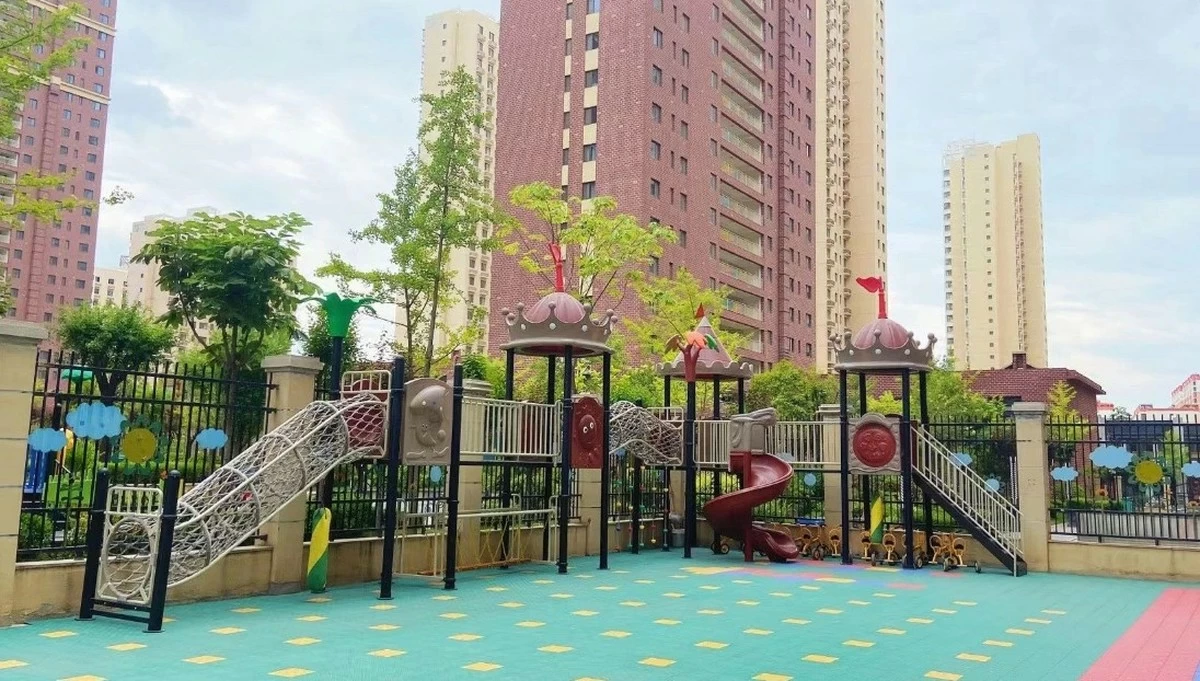

BEIJING, Oct 17 : A Chinese court has sentenced six people to prison, including a kindergarten official who received life imprisonment, for serving food containing toxic substances that left 247 children with abnormally high blood lead levels in northwestern China in 2025, state-run Xinhua News Agency reported.
The Intermediate People’s Court of Lanzhou in Gansu Province handed down the sentences on Friday in connection with the contamination at Heshi Peixin Kindergarten in Maiji District.
Li Huifang, the person in charge of the kindergarten, was sentenced to life imprisonment after the court found that she had instructed and organised the addition of toxic substances to food served to children and staff.
Li was also deprived of political rights for life, and 500,000 yuan (approximately $74,000) worth of her personal property was confiscated, according to the verdict.
Zhu Jinglin, the kindergarten’s executive principal, was sentenced to 15 years in prison and fined 300,000 yuan.
Four kitchen workers who carried out the instructions received prison terms ranging from six to eight years and were also fined.
Toxic substances added to make food more attractiveAccording to the court findings reported by Xinhua, Li and Zhu arranged for toxic substances to be added to food served at the kindergarten to make it more colourful and attractive for marketing purposes.
The contaminated pastries were served to children and staff every month beginning in May 2024, according to a provincial investigation report released in July 2025.
The contamination came to light after children at the kindergarten were found to have unusually high blood lead levels, triggering an investigation into the food they had consumed.
247 children found with elevated blood lead levelsOf the 251 children tested, 247 were found to have abnormally high blood lead levels, the investigation report said.
All affected children received hospital treatment or nutritional intervention at home.
By July 20, 2025, most of the affected children had completed their first course of treatment and been discharged from hospital, according to the report.
Lead exposure is particularly dangerous for young children because it can damage the developing brain and nervous system. Depending on the level and duration of exposure, it can also affect learning, behaviour and physical development.
The case has highlighted serious concerns over food safety and the protection of children in educational facilities.
The court’s sentences followed investigations into the deliberate contamination of food served to children and staff at the kindergarten.