


06/05/2026

Share:
06/05/2026
Share:

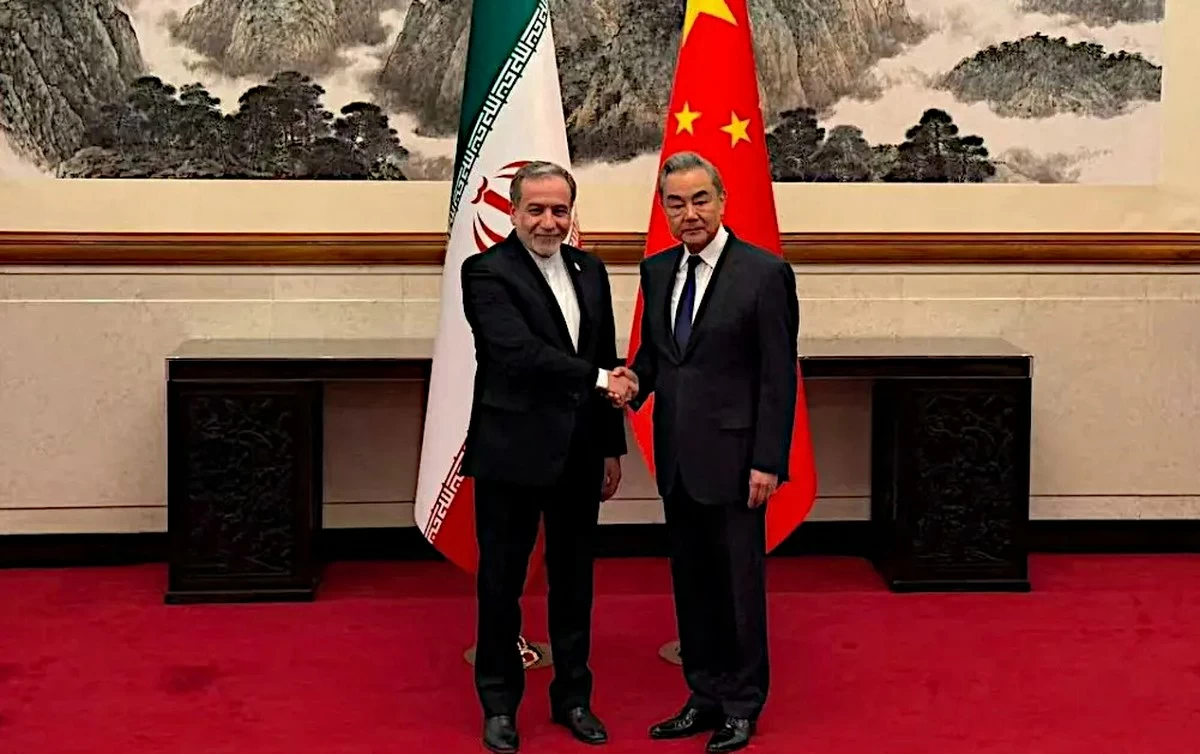
BEIJING, May 6: China hosted Iranian Foreign Minister Abbas Araghchi on Wednesday, marking his first visit to Beijing since the outbreak of the U.S.-Israel war with Iran, and coming just days before U.S. President Donald Trump is scheduled to visit China.
China’s top diplomat, Wang Yi, met Araghchi on Wednesday morning, according to the state-backed Xinhua News Agency.
Chinese state media announced the visit late Tuesday, citing a foreign ministry statement that said Beijing had extended the invitation. The statement did not provide details of the agenda.
Iran’s foreign ministry said the talks would focus on bilateral relations, as well as regional and international developments.
“This meeting is deeply strategic,” said Amir Handjani, a board member at the Quincy Institute for Responsible Statecraft. “Tehran and Beijing are aligning their interests before Trump’s summit with Chinese President Xi Jinping, and the timing is deliberate.”
Handjani said China is particularly concerned about stability in the Persian Gulf, given the importance of the region to global trade and energy supplies.
“Chinese leadership wants tankers moving and trade flowing out of the Persian Gulf into Asian markets,” he said. “They have no appetite for the inflationary shock and potential recession that a prolonged blockade would trigger across the region.”
Wang and Araghchi have held at least three phone calls since the Iran conflict began on February 28. Beijing has repeatedly called for an immediate ceasefire and for commercial shipping to move freely through the Strait of Hormuz.
In late April, Chinese President Xi Jinping urged the protection of “normal passage” through the strategic waterway.
Before the war, about 20% of the world’s oil and liquefied natural gas passed through the Strait of Hormuz. However, commercial traffic through the route has slowed sharply in recent weeks.
China, the world’s largest buyer of Gulf oil and gas, has so far managed the disruption, supported by domestic energy stockpiles and a diversified energy mix. (Xinua)