


15/10/2026

Share:
15 children told investigators: "N is not our brother, but our cousin"; 21 dependents linked to the two cases
15/10/2026
Share:
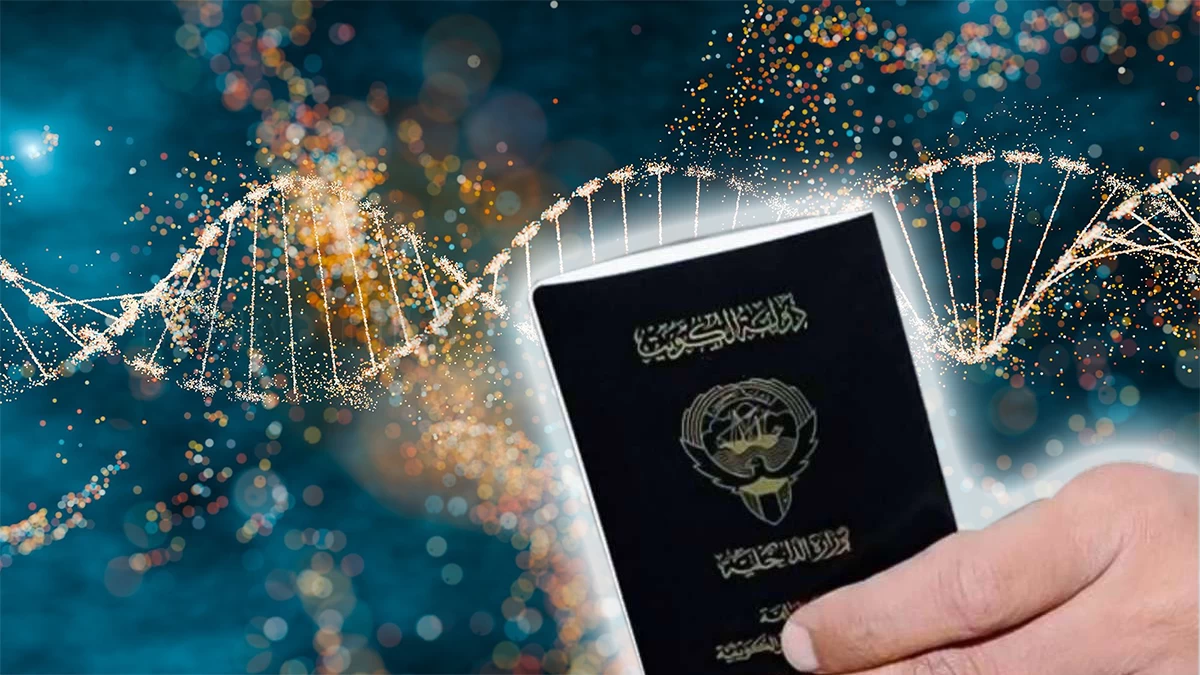

KUWAIT CITY, Oct 15: A death report dating back to 1970 has become the key to unraveling a suspected citizenship forgery case in Kuwait, after a confidential tip led investigators to a person allegedly registered in a Kuwaiti family’s nationality file in place of a child who had died decades ago.
What began as an inquiry into one suspicious identity eventually exposed a second alleged case of false family affiliation. DNA testing reportedly established that 15 of the 17 individuals listed in the family file were biological siblings, while the other two did not share the claimed sibling relationship.
The findings have prompted further investigations into how the two individuals were entered into the nationality file, who was responsible and whether others benefited from the alleged irregularities.
According to informed sources quoted by Al-Rai, the two cases involve 21 dependents — seven linked to the person suspected of having replaced the deceased child and 14 linked to the second individual.
The case also brings into focus provisions of Kuwait’s new Nationality Law that distinguish between the withdrawal of citizenship acquired through naturalization and the revocation of citizenship held by Kuwaitis by establishment.
A confidential tip leads to a 1970 death reportThe investigation began when the Nationality Investigation Department received confidential information suggesting that a person had been entered into a Kuwaiti family’s nationality file in place of a child who had died in 1970.
The allegation was particularly significant because the living person was reportedly registered under the same name and date of birth as the deceased child.
Investigators sought to establish whether the death had actually been recorded and whether the identity was being used by another person.
They contacted the Ministry of Health to verify the relevant records.
The response confirmed that a death notification existed under the name being investigated.
Death registration procedures generally include a notification containing the deceased person’s identifying details, date and place of death, age and mother’s name, followed by the relevant burial permit and death certificate.
The existence of an official death record, alongside a living individual registered with the same name and birthdate, strengthened suspicions that the deceased child’s identity might have been used to introduce another person into the family’s citizenship file.
Investigators then moved beyond the documents to question the family members themselves.
“He is not our brother, but our cousin”The Nationality Investigation Department summoned 15 of the 17 sons and daughters listed in the family file.
Investigators confronted them with the discrepancy between the death report and the existence of a living person registered as their brother under the same identity.
According to the sources, the children told investigators that the person registered as their brother was not, in fact, their sibling, but their cousin.
That statement opened a second line of inquiry.
During questioning, the children reportedly disclosed that another person listed in the same nationality file as their brother was also their cousin rather than a biological sibling.
The investigation had therefore expanded from a suspected substitution involving a deceased child to two separate cases in which cousins were allegedly registered as brothers.
The crucial question was whether the family members’ statements could be established through scientific evidence.
DNA testing provides the decisive breakthroughInvestigators ordered DNA fingerprint tests involving all 17 individuals registered in the file.
The results reportedly confirmed biological sibling relationships among 15 individuals but did not establish the claimed sibling relationship for the other two.
According to the investigation details, one of the two individuals was suspected of having been registered in place of the child who died in 1970. The other was identified as a cousin allegedly added to the nationality file as a brother.
The results provided scientific support for the discrepancy between the family relationships recorded in the file and those established through genetic testing.
However, the precise circumstances in which the two individuals were registered, the people responsible and the extent of any deliberate wrongdoing remain matters for the ongoing investigation.
21 dependents linked to the two casesThe implications extend beyond the two individuals whose claimed sibling relationships were not established.
According to the sources, seven people are dependents of the individual suspected of having replaced the deceased child, while another 14 are dependents of the second individual.
The total number of dependents associated with the two cases is therefore 21.
Investigators are continuing to examine the circumstances surrounding the original registrations and determine the legal consequences for those involved.
The case highlights how an irregularity in a decades-old citizenship file can have implications extending across generations, particularly where citizenship has been granted to dependents.
New Nationality Law distinguishes withdrawal from revocationThe sources said the committee decided to apply the relevant provisions of the new Nationality Law in cases where an individual is proven to have deliberately added someone who is not his child or descendant to a nationality file.
The legal consequences depend on the status under which the person holds Kuwaiti citizenship.
Article 13, paragraph 6 — Withdrawal of citizenship
This provision concerns individuals who acquired Kuwaiti citizenship through naturalization. It allows citizenship to be withdrawn by decree, based on a proposal from the Minister of Interior and approval of the Supreme Committee for Kuwaiti Nationality Investigation, where an investigation establishes that a person deliberately added someone who was not his child or descendant to his own or another person’s nationality file.
The provision also addresses the withdrawal of citizenship from those who acquired it through dependency.
Article 14, paragraph 4 — Revocation of citizenship
This provision concerns individuals who hold Kuwaiti citizenship by establishment. It allows citizenship to be revoked by decree, based on a proposal from the Minister of Interior and approval of the Supreme Committee for Kuwaiti Nationality Investigation, if an investigation or final judicial ruling establishes that a person deliberately added someone who was not his child or descendant to his own or another person’s nationality file.
It also provides for the revocation of citizenship from children or descendants where it is established that they knew about the deliberate addition.
The distinction is significant: withdrawal applies to citizenship acquired through naturalization, while revocation applies to those who enjoy citizenship by establishment, subject to the relevant legal conditions.
The sources said the same legal approach would be applied to comparable cases, stressing that the wording of the law covers deliberate additions to nationality files even when the original act occurred in the past.
A decades-old file under renewed scrutinyThe investigation demonstrates how a confidential tip, an official death record and DNA evidence can combine to reopen a citizenship file dating back more than five decades.
The 1970 death report supplied the initial lead. The family’s statements pointed investigators toward a second alleged false relationship, while genetic testing helped establish which individuals were biologically related as siblings.
The inquiry is continuing to determine how the two individuals entered the file and who bears responsibility for the alleged irregularities.
For investigators, the case underscores the importance of checking historical nationality records against civil registration documents, family testimony and scientific evidence — particularly when an identity recorded decades ago remains the basis for citizenship claims extending to later generation