



16/08/2026

Share:
16/08/2026
Share:
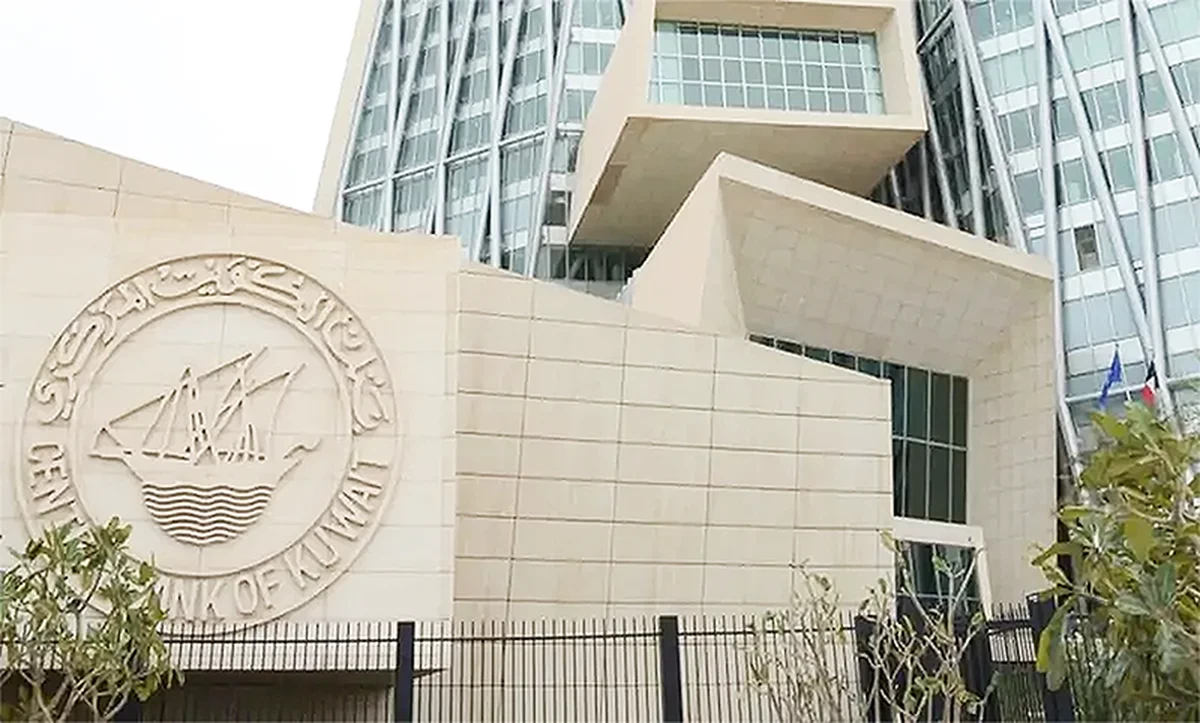

KUWAIT CITY, Aug 16: The Central Bank of Kuwait (CBK) has issued new regulatory directives aimed at strengthening transparency in the financial statements of electronic payment service providers, electronic contract service providers, electronic payment system operators and exchange companies.
The measures focus on the proper classification and disclosure of partners’ funds, capital, liabilities and withdrawals, while also introducing additional requirements for handling judicial requests related to the freezing of customer funds and disclosure of account balances.
New accounting requirementsUnder the directive, partners’ current accounts must no longer be included within total partners’ equity in the financial statements. The CBK said the accounts may contain transactions that have the characteristics of assets, liabilities or equity, making their inclusion under a single equity heading potentially inconsistent with the proper classification of financial statement items.
Instead, paid-in capital, reserves, retained earnings and other applicable items are to be presented under partners’ equity, providing a clearer picture of changes in the entity’s capital and financial position.
The CBK has also introduced specific treatment for funds provided by partners to support capital or business activities. Where such funds have a defined repayment date, they must be presented as a separate liability item, accompanied by disclosures on their nature, balances and applicable terms.
Funds provided by partners without a specified repayment date are to be presented separately under partners’ equity, with appropriate disclosure of their nature and conditions.
In addition, short-term amounts or obligations arising from partners’ withdrawals must be presented separately, with details of the balances and their repayment dates disclosed to provide greater clarity on the entities’ financial obligations.
The new requirements are intended to improve the accuracy and transparency of financial statements and give regulators, investors and other stakeholders a clearer view of the financial position of supervised institutions.
New requirements for freezing customer fundsSeparately, the CBK has set out procedures for the participation of exchange companies and payment-sector entities in the virtual central chamber established to combat electronic financial fraud.
Under the new procedures, electronic payment service providers, electronic contract service providers, electronic payment system operators and exchange companies must establish and maintain dedicated institutional email channels for official communications from judicial authorities affiliated with the Ministry of Justice.
The entities must also allocate an email address specifically for receiving notifications and official correspondence concerning the freezing or seizure of customer funds and requests for disclosure of account balances. The notification function on these designated email accounts must remain activated to ensure that judicial requests are received and processed without delay.
The virtual chamber is designed as a centralized system for coordinating efforts to combat electronic financial fraud through closer operational cooperation between banking regulators, security agencies and judicial authorities, including the Ministry of Interior and the Public Prosecution.
The CBK’s latest measures come amid growing concerns over increasingly sophisticated electronic fraud schemes targeting customers through fake communications, fraudulent data-update links, misleading advertisements and false claims of prizes. The new requirements are intended to strengthen institutional controls, improve regulatory oversight and facilitate a faster response to suspected financial fraud and judicial requests.