


26/05/2026

Share:
26/05/2026
Share:

WASHINGTON, May 26: United States Central Command said on Tuesday that U.S. forces have redirected 108 commercial vessels as part of the enforcement of Washington’s blockade measures against Iran amid escalating tensions in the Gulf region.
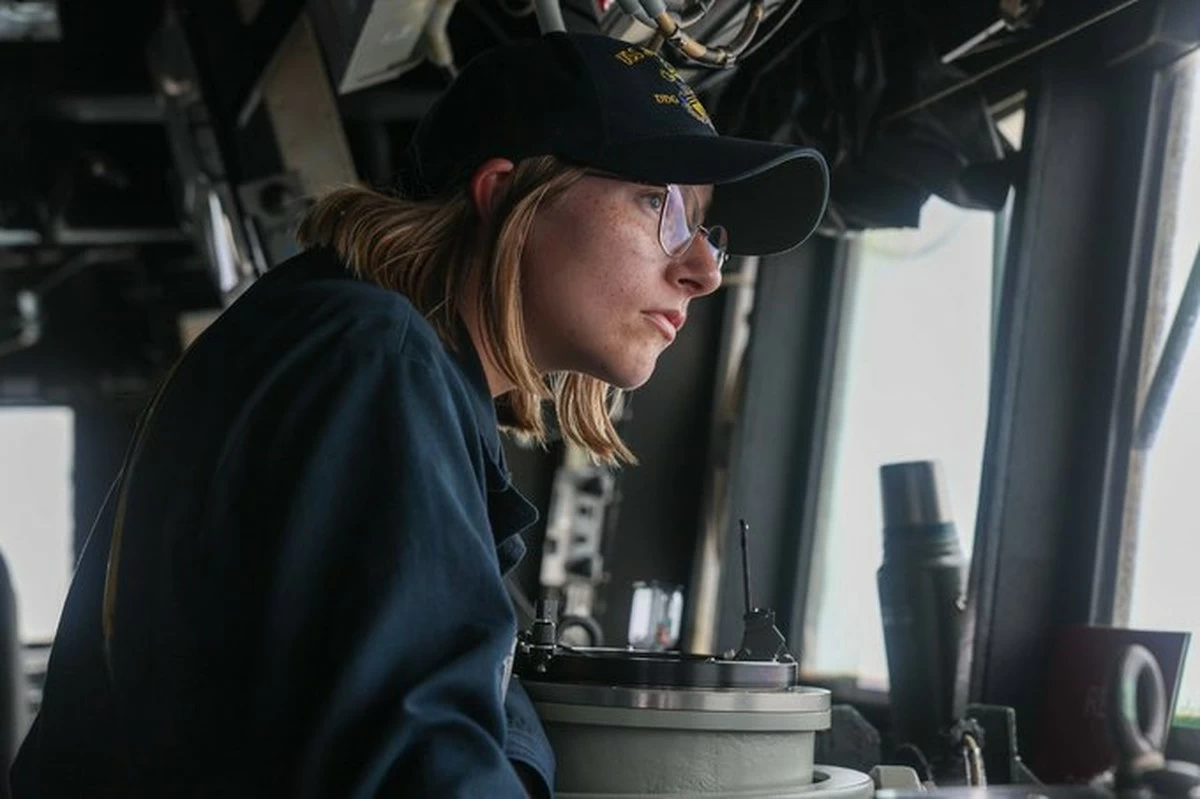
CENTCOM released an image showing a U.S. sailor standing watch aboard the guided-missile destroyer USS John Finn while transiting the Arabian Sea in support of ongoing maritime operations linked to the blockade.
The announcement came as conflicting reports emerged regarding whether the United States Navy had resumed escorting commercial vessels through the strategically vital Strait of Hormuz.
According to a report by The Wall Street Journal, citing U.S. military officials, the Navy recently assisted a Greek supertanker carrying two million barrels of crude oil as it crossed the waterway near Oman’s coast.
The report said the vessel had remained stranded in the Persian Gulf since early March and was now heading toward India to deliver its cargo.
The operation was reportedly part of a U.S. initiative known as “Project Freedom,” aimed at helping commercial ships safely navigate the crucial shipping corridor amid ongoing regional instability.
The Wall Street Journal further reported that the U.S. Navy planned to assist around a dozen vessels, including supertankers and container ships, in crossing Hormuz over the coming days.
However, later Tuesday, CENTCOM confirmed that Project Freedom has not resumed, and U.S. forces are not currently escorting commercial vessels through the Strait of Hormuz.
The Strait of Hormuz remains one of the world’s most important oil transit chokepoints, with disruptions in the area closely watched by global energy markets and international shipping companies.