


18/04/2026

Share:
18/04/2026
Share:
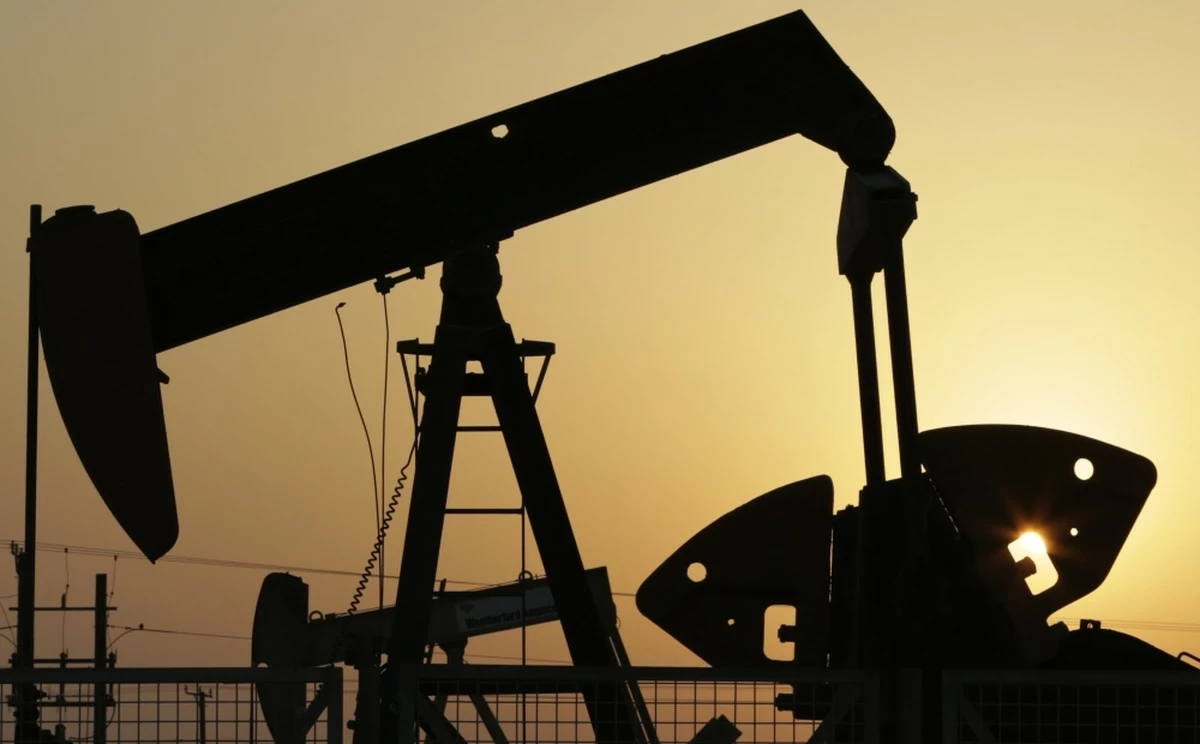
Oil pumps work in the desert oil fields of Sakhir, Bahrain on Sept 30. (AP)

As soon as Iran announced the opening of the Strait of Hormuz in the Arabian Gulf, oil prices fell sharply , with all oil indicators settling in double digits, bringing oil markets and global commercial activity closer to normal levels. Although the opening is said to be for the duration of a ceasefire period, it is viewed as a positive sign that the ceasefire may last and that the threat of war has eased, with hopes for lasting stability.

The return to school is expected to be filled with renewed energy and optimism. The Friday announcements of the ceasefire came during Western working hours, allowing businesspeople to carry out transactions in a more relaxed and positive atmosphere, free from uncertainty or concern about the coming days. Business activity has now returned to normal. Airline companies are reportedly relieved to witness the reopening of the Strait of Hormuz, which helped restore normality and ensured that oil, fish products, and gas can once again be exported from the Arabian Gulf without disruption. It also eased concerns over panic buying of jet fuel, flight cancellations, or workforce reductions that could have led to higher operational costs and layoffs. As jet fuel represents only about ten percent of a barrel of crude oil, any disruption could have caused panic for the airline industry due to potential global shortages of jet oil.
The impact would have been felt particularly in developing countries in Asia, Africa, and Latin America. At the same time, China and Thailand halted re-exporting fuels, while Vietnam and Pakistan reduced short-distance domestic flights, focusing more on long-haul routes. Now, with Friday’s announcements, things are expected to return to normal, though it will take time.
Oil prices are likely to remain strong as the airline industry works to replenish and rebuild its stocks.
This means demand is expected to stay strong, supporting oil prices until airlines restore their jet fuel stock. Some companies may also opt to store additional jet fuel as a buffer against future uncertainty.
Fortunately, the threat of war and the risk of closures have eased. Otherwise, with the summer approaching, the airline industry could have faced major challenges, with some companies potentially at risk of bankruptcy amid fuel shortages and rising travel costs. Ticket prices have already increased by more than 17 percent, and such increases are not expected to ease quickly. Fortunately, the Strait of Hormuz is not closed, and oil prices are expected to ease from their highs of around $100 per barrel or more.