


09/11/2025

Share:
09/11/2025
Share:
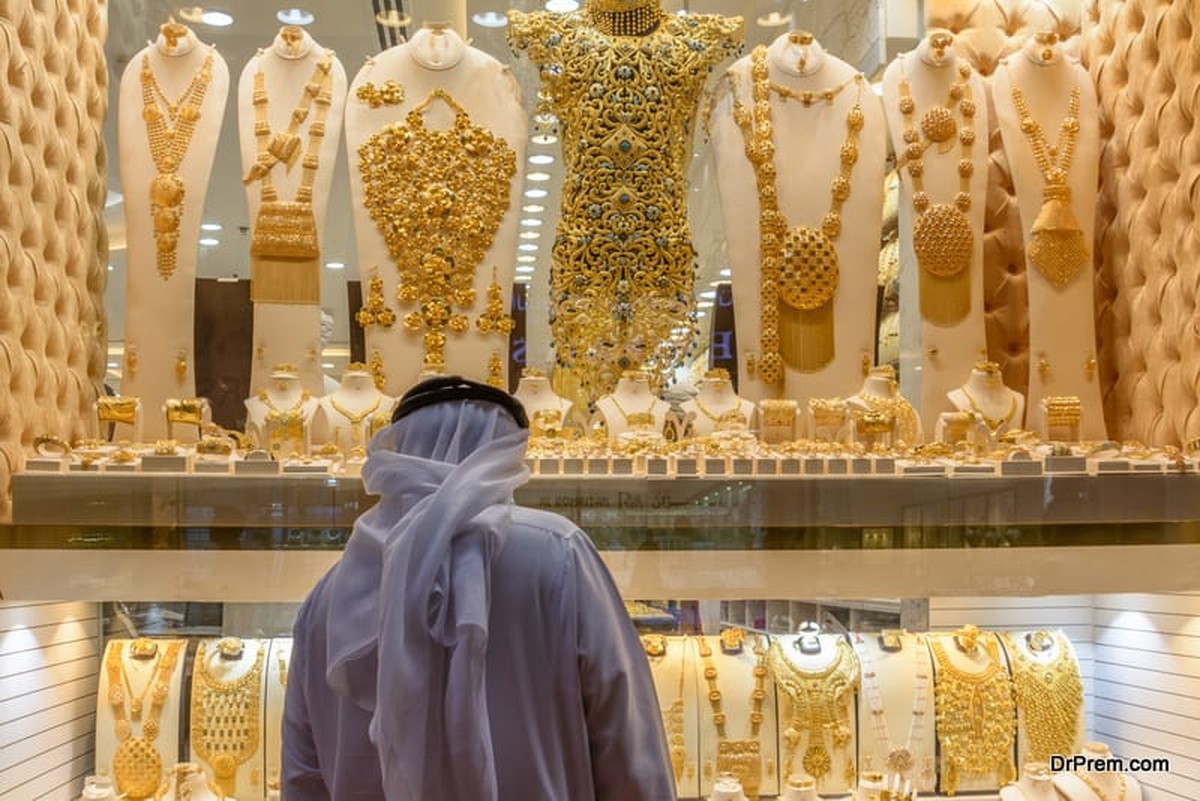

They also affirmed the implementation of strict legal measures against violating establishments, ranging from immediate closure to referral to investigative authorities. Gold expert Alamdar Al-Mousawi said the decision puts the market on the right track, as it raises transparency levels and limits any transaction outside the regulatory framework. He explained that the gold trade is one of the sectors most vulnerable to exploitation in illegal activities due to the nature of its products and their high value. He stressed that halting cash transactions reduces the risks of manipulation and strengthens trust between buyers and sellers. He asserted that the decision fulfills this need and brings Kuwait closer to the best international practices. He also underscored the importance of this step in keeping pace with the Gulf trend to regulate the movement of funds in the sector and transform it into a regulatory system.
Mohammad Al-Rashed, CEO of Qasr Al-Sabaik for Precious Metals, praised the decision, asserting that it is a vital step that increases confidence in the market, protects consumers, and raises standards of integrity in the gold trade. He pointed out that obligating companies to use electronic payment methods aligns with the efforts of the State to combat money laundering and develop the business environment. He emphasized that the gold sector requires the highest levels of accuracy and reliability, and that the decision contributes to raising market efficiency and investor confidence. He affirmed his commitment to implement the directives of the Ministry of Commerce and Industry and the Central Bank of Kuwait, indicating that he has adopted electronic payment systems for years, affirming the principle of transparency and enhancing trust. He stressed that the decision puts the Kuwaiti gold market on the cusp of a more transparent and regulated phase, bringing it closer to the advanced Gulf experience in regulating precious metals trading.
He said the market is now preparing for a new commercial environment governed by the banking system, which will provide stronger consumer protection and limit irregular transactions. He confirmed that the decision is in line with modern Gulf policies on comprehensive electronic oversight of gold trading. He revealed the United Arab Emirates (UAE) adopted the ‘UAE Gold Chainlink System’ in 2022, a system that mandates electronic tracking of payments to ensure transparency, while Saudi Arabia implemented a stringent electronic system to closely monitor cash transactions, with the Zakat, Tax, and Customs Authority announcing electronic monitoring of gold transactions and mandating shops to use non-cash payment methods. He added that the Capital Market Authority in Oman has emphasized the prohibition of cash transactions in the precious metals trade, in support of financial oversight and to prevent tax evasion.
Article One of the resolution, all institutions and companies supervised by the Ministry of Commerce and Industry that engage in the trade of gold, precious stones, precious metals, or any related activities are strictly prohibited from using cash when concluding contracts or carrying out transactions. The resolution mandates that all financial dealings must be executed exclusively through non-cash payment methods approved by the Central Bank of Kuwait, in accordance with its regulations and compliance requirements.
Article Two, which took effect immediately, stipulates that any establishment found in violation of the above provisions will face closure and be referred to the competent investigative authorities for appropriate legal action. This is in addition to any measures or penalties already prescribed under applicable laws.
Article Three nullifies any previous text or provision contained in other decisions that contradict the terms of this resolution.
Article Four assigns responsibility to all relevant officials, each within their respective authority, to enforce the resolution. It further states that the decision is effective from the date of its issuance and must be published in the Official Gazette.