



10/01/2026

Share:
10/01/2026
Share:


Kamel Al-Harami
The recent developments in Venezuela, OPEC founder member, are causing havoc in the energy market. The U.S. administration has taken control of Venezuela’s oil industry and is urging major oil companies to prepare to reinvest in the country and restore production to previous levels for export to the U.S. However, U.S. companies are hesitant to proceed without comprehensive guarantees. They require assurances and legal backing from both the current and future U.S. governments.
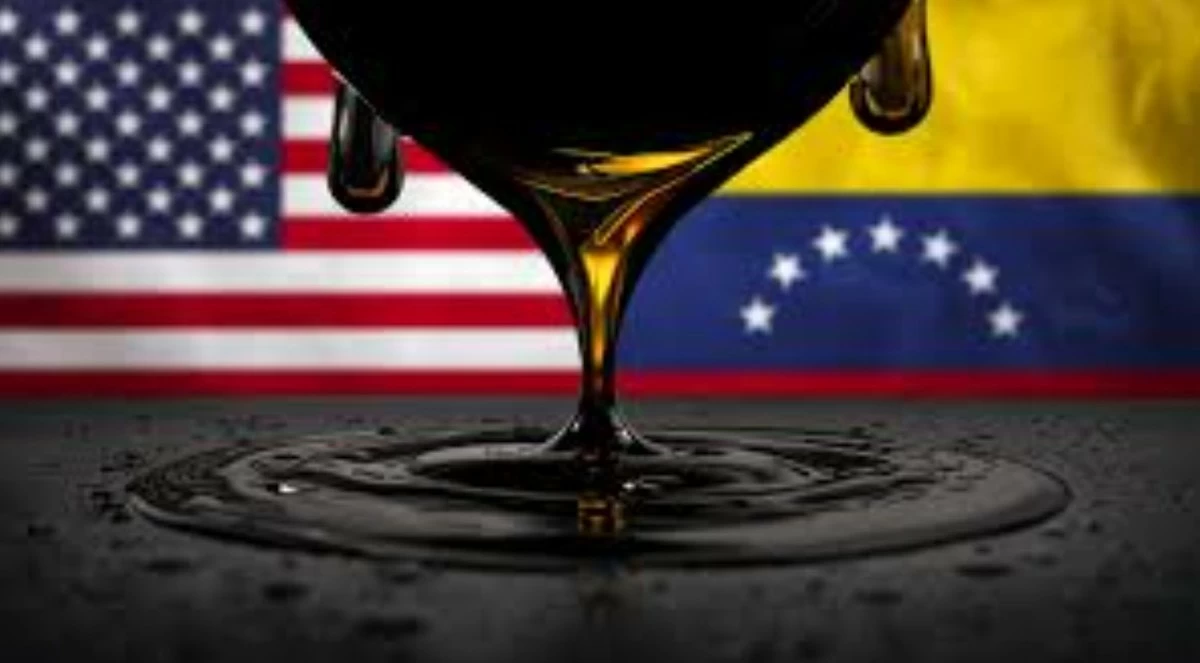
Taking over operations in a sovereign country and managing its main revenue source demands extensive protections, including insurance against any current or future international legal actions and financial compensation.
The takeover of Venezuela’s oil industry is unprecedented, granting near-total control over the nation’s wealth. It effectively allows one party to run the country’s oil business single-handedly, without domestic interference, which raises concerns at both domestic and international levels. The United States is taking steps to improve Venezuela’s oil industry, aiming to increase crude oil production and make the sector more efficient, ultimately boosting the country’s income.
The plan envisions raising production from the current 600,000–700,000 barrels per day to 1.3 million barrels within the next 12 months. Major U.S. oil companies are being allowed to operate Venezuela’s oil fields with a free hand for managing the captive country’s oil business. The U.S. is also expected to receive or claim around 50 million barrels of oil. The basis for this figure, whether as compensation, repayment of old debts, or benefits to U.S. oil companies, remains unclear.
While bearing in mind the quality of Venezuelan oil, it is important to remember that it is heavy and sour, with a thick, tar-like consistency and high levels of sulfur and nickel. This makes it very expensive to produce and refine, requiring complex processing and blending before it can be exported. However, it is well-suited for U.S. refineries, which have long experience handling this type of heavy crude from the “Orinoco Belt”. Venezuela also holds the world’s largest crude oil reserves, estimated at around 300 billion barrels, making it highly attractive for its long-term oil potential. U.S. oil producers are unlikely to be pleased with the low price of $50 a barrel.
Many shale oil drillers cannot operate profitably at this level. With the planned importation of Venezuelan crude to the U.S., it will become even more difficult for domestic producers to make profits. Most USA producers are expected to voice their concerns in upcoming meetings with the U.S. administration to stress that $50 per barrel is not sustainable. All of the U.S. oil executives will likely say openly, “Sorry, $50 a barrel is not viable.” They may push for a temporary increase to $60 a barrel for U.S. crude, with Brent at $64. However, even this level may not be sustainable in the short term.
By Kamel Al-Harami Independent Oil Analyst
Email: [email protected]