



20/01/2026

Share:
20/01/2026
Share:
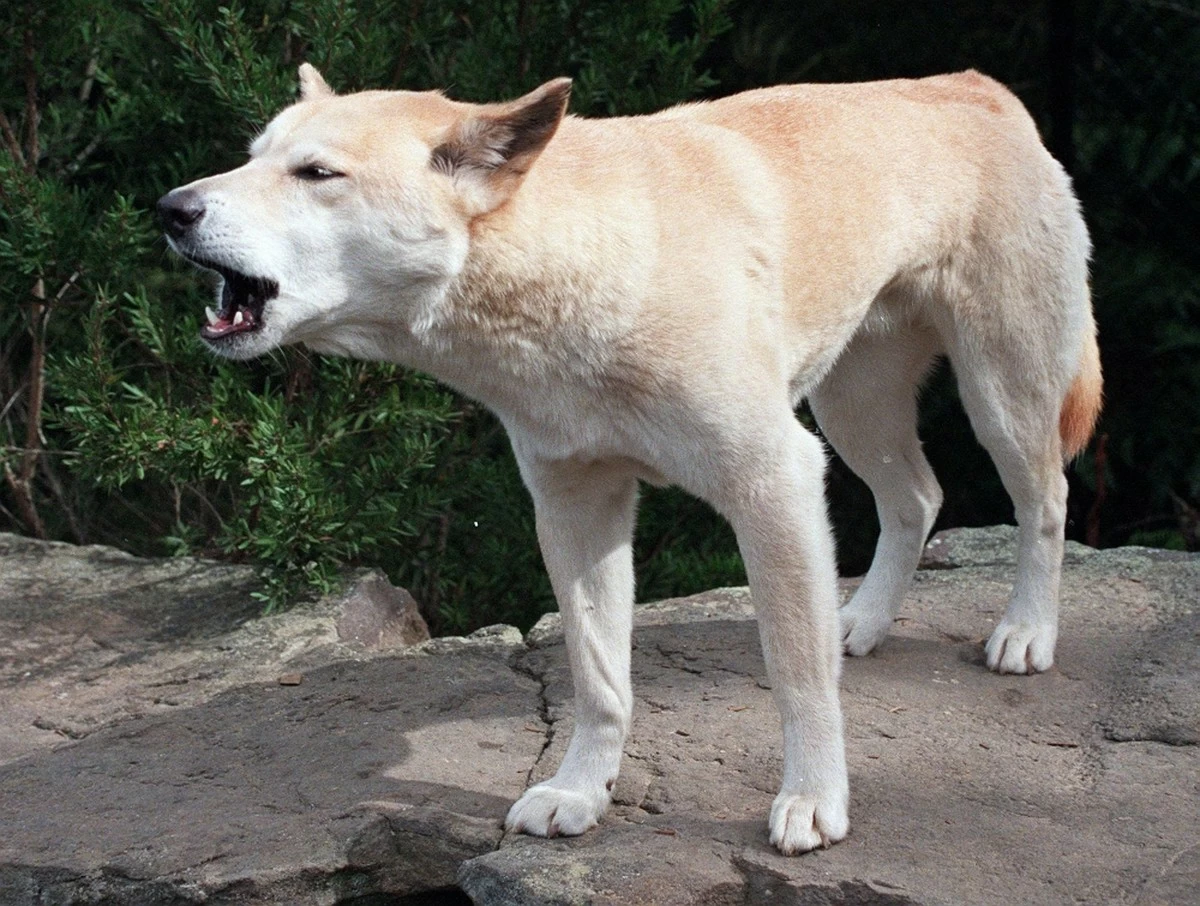

TORONTO, Jan 20, (AP): Authorities were trying to determine on Tuesday whether a Canadian woman found dead on an Australian beach had been killed by dingoes. The 19-year-old woman was found on a beach at K’gari, formerly known as Fraser Island, on Monday. Police said her body had been "interfered with” by native Australian dogs.
But police would not speculate on the cause of death, saying her body had been discovered 90 minutes after she went for a morning swim on the world’s largest sand island off the Queensland state coast. Police were called to the beach near a shipwreck, a popular tourist attraction, at 6.35 a.m. Two men were driving an SUV along the beach when they saw around 10 dingoes near the body, Police Insp. Paul Algie said.
"It was obviously a very traumatic and horrific scene for them to uncover,” Algie told reporters. "I can confirm there was markings on her body consistent with having been touched and interfered with by the dingoes,” he added. A post-mortem examination of the remains to determine the cause of death was expected to be completed on Wednesday.
"We simply can’t confirm whether this young lady drowned or died as a result of being attacked by dingoes,” Algie said. The woman had been working at a tourist accommodation on the island for about six weeks. Three years ago, a pack of dingoes mauled a 23-year-old jogger in an attack police said was almost fatal.
The dogs had driven the woman into the surf before a tourist came to her rescue, beating off the attackers. Police said the man had saved her life. About 200 dingoes roam free on K’gari and are a protected native species at the World Heritage-listed national park. The younger animals have become more aggressive and less fearful of humans since tourists returned in large numbers following the COVID-19 pandemic.