



13/04/2026

Share:
13/04/2026
Share:
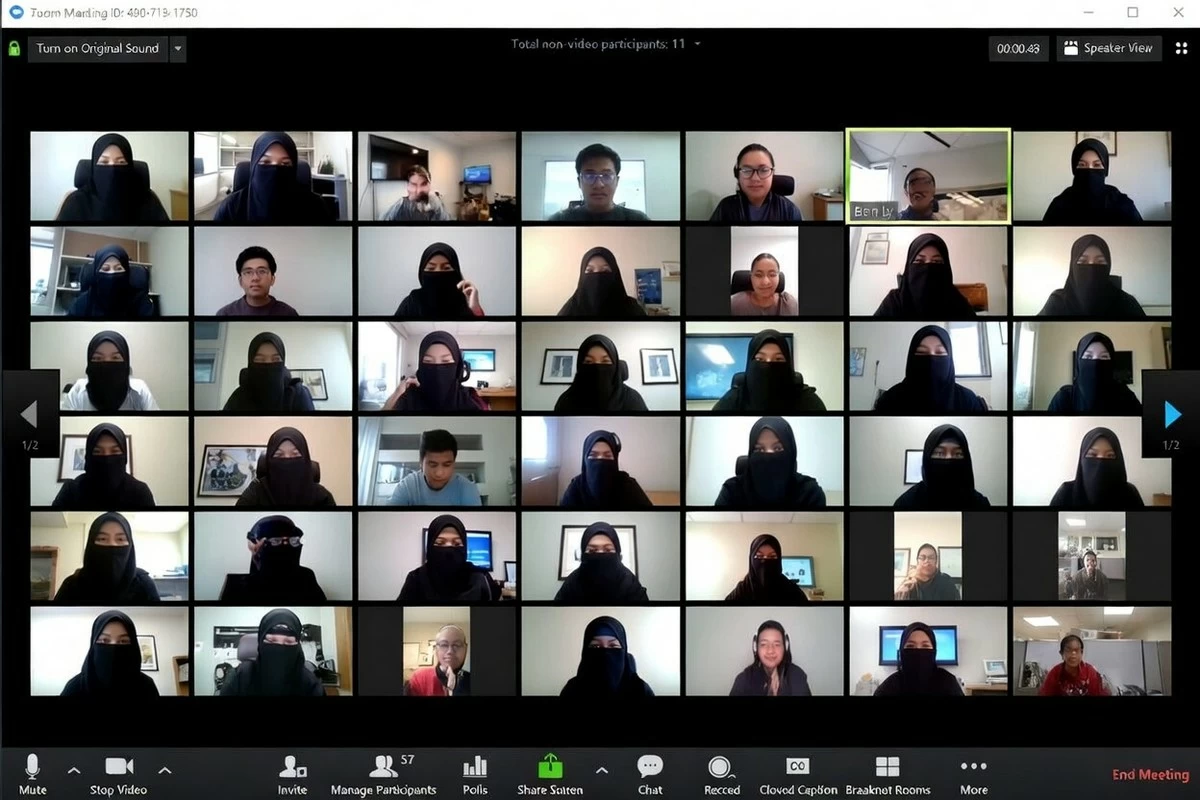

KUWAIT CITY, April 13: Calls have resurfaced within academic circles to respect the privacy of female students who wear the ‘niqab’, particularly in light of the growing reliance on e-learning and remote examinations.
Experts stressed that safeguarding societal values does not contradict maintaining the integrity of the educational process, as this rather reinforces it. Dean of the College of Life Sciences Ahmad Al-Lafiaffirmed that respecting the privacy of female students who wear the ‘niqab’ is mandatory. He added that identity verification through secure platforms such as Moodle – under female supervision when necessary – is sufficient.
He pointed out that on public platforms like Microsoft Teams, students are not allowed to reveal their faces in the presence of male students or faculty members. Meanwhile, academic sources stated that the privacy of female students who wear the ‘niqab’ is a fundamental right that must be protected within the educational environment, whether in person or online.
They stated that verifying a student’s identity can be conducted in a secure and organized manner without compromising this privacy. They explained that the use of accredited educational platforms such as Moodle offers appropriate verification mechanisms, particularly when the process is conducted under female supervision when required. They added this ensures a balance between the demands of academic discipline and respect for privacy.
On the other hand, the same sources warned against the use of public platforms in this context, especially those that do not offer adequate privacy, such as Microsoft Teams. They emphasized that female students should not be compelled to uncover their faces in the presence of male students or faculty members, as this is a breach of their privacy and contradicts societal norms. Sources stressed that educational institutions are required to implement clear policies governing identity verification mechanisms in distance learning, taking into account cultural and social considerations while ensuring student privacy.
They also called for training faculty members in the use of appropriate technological tools that can achieve this balance without compromising either aspect, stressing that technological progress must align with respect for societal values. They asserted that the success of digital education is measured not only by its efficiency, but also by its ability to accommodate all student groups within a secure environment, which respects their privacy and upholds their rights.
By Abdulrahman Al-Shammari Al-Seyassah/Arab Times Staff