



25/04/2026

Share:
25/04/2026
Share:
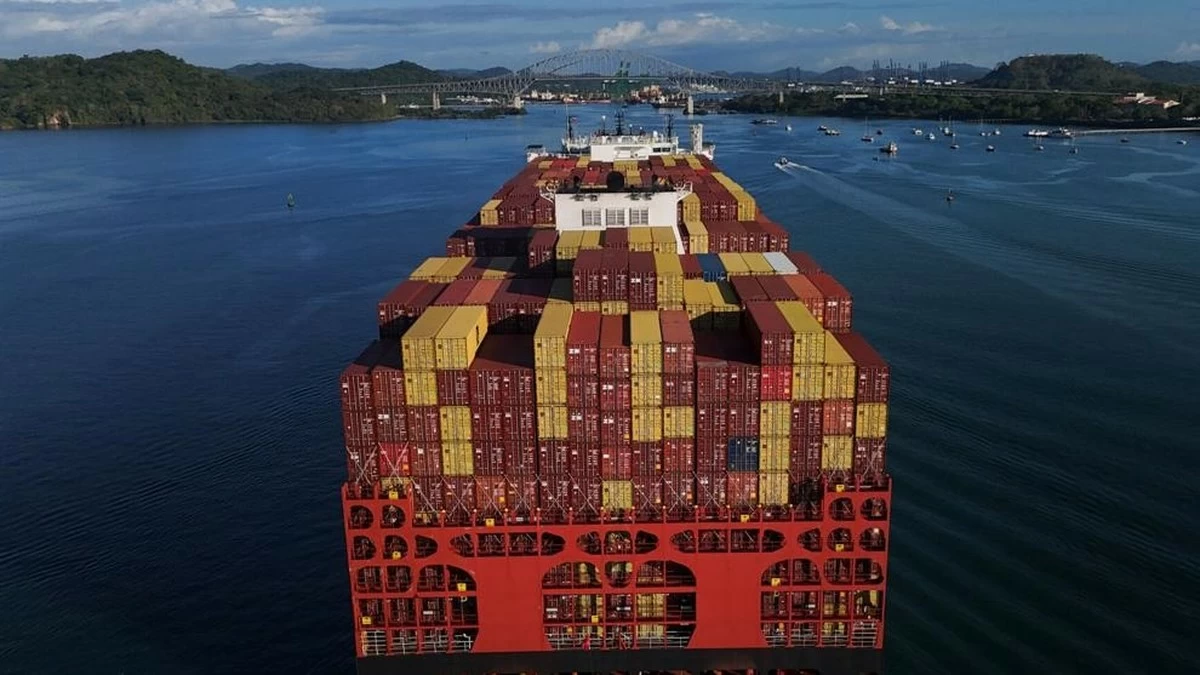

PANAMA CITY, April 25, (AP): Businesses have doled out as much as $4 million for last-minute plans to move boats through the Panama Canal in recent weeks, the Panama Canal Authority says, as Iran war's effective closure of the Strait of Hormuz generates a seismic shift in global trade flows. While passage through the canal usually comes at a flat rate via reservations, companies without bookings can pay more to cross through an auction that awards slots to the highest bidder.
The alternative would be waiting for days off the coast of Panama City. The demand for slots skyrocketed and the auction prices ballooned in recent weeks as a standoff between the Iran and the United States over access to the strait kept traffic bottlenecked. Commercial vessels increasingly have traveled through the Panama Canal carrying shipments that were rerouted or purchased from different countries to avoid the waterway off Iran's coast.
"With all the bombings, the missiles, the drones ... companies are saying it’s safer and less expensive to cross through the Panama Canal,” said Rodrigo Noriega, a lawyer and analyst in Panama City. "All of this is affecting global supply chains.” Meanwhile, Panama's government is "maximizing what it can earn from the Panama Canal," Noriega said.
The average price to cross through the canal ranges between $300,000 and $400,000 depending on the vessel. Previously, to get an earlier crossing, businesses would pay an additional $250,000 to $300,000. In recent weeks, the average additional cost has jumped to around $425,000. Normally, about 6% of global trade passes through the Panama Canal, which connects the Atlantic and Pacific oceans in Central America, according to Patrick Penfield, professor of supply chain practice at Syracuse University.
The canal has recovered from several years of drought, he added. Goods like car parts, grain and consumer electronics being shipped from China to Europe or vice versa, or from China to the U.S. East Coast, pass through the canal. Some oil passes moves through the Panama Canal, but it isn't a viable large-scale alternative to the Strait of Hormuz because of its size. The largest ships that carry oil, known as ultra-large container vessels, are too big for the canal.