


17/09/2026

Share:
17/09/2026
Share:
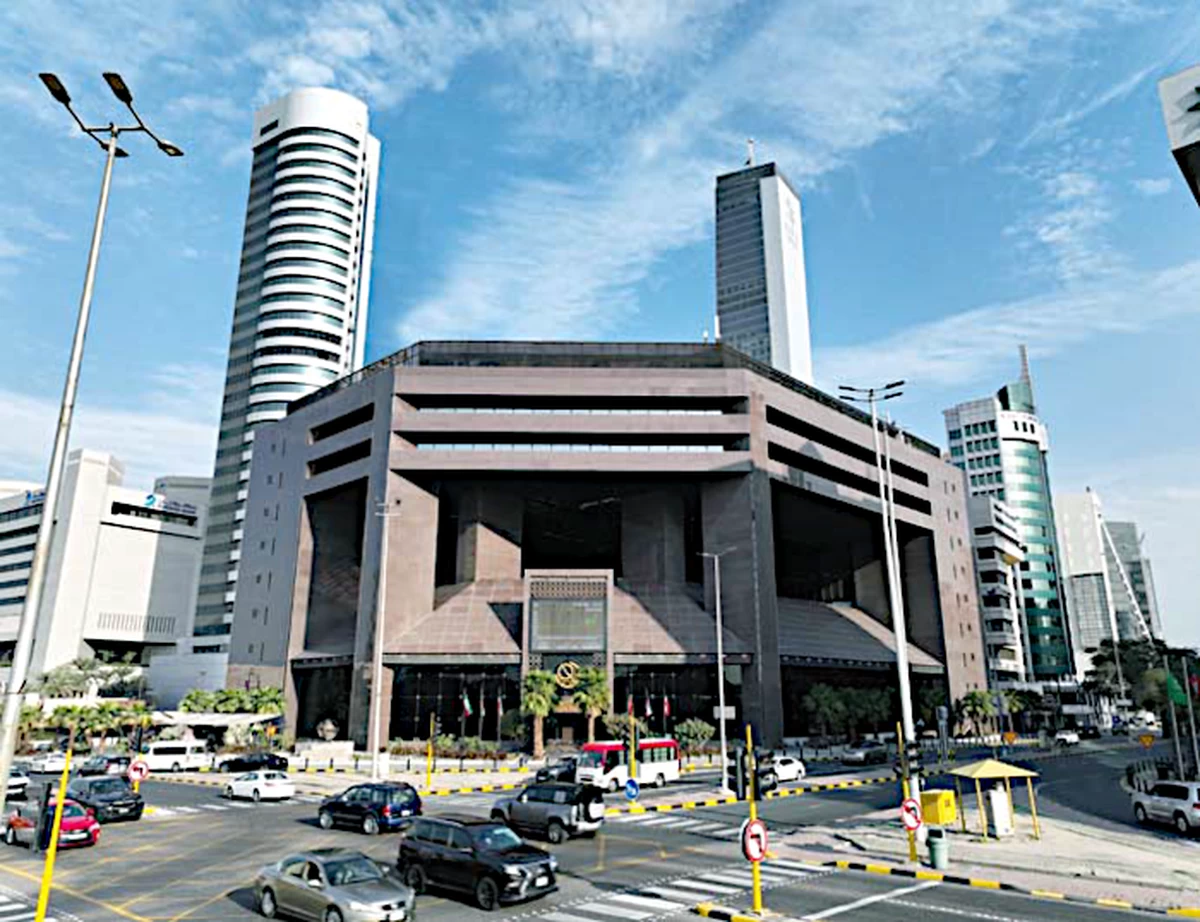

KUWAIT CITY, Sept 17: Transparency and integrity are the pillars upon which Boursa Kuwait operates to earn the trust of investors, and attract both domestic and foreign capitals. These principles safeguard the financial market during extraordinary periods and times of geopolitical turbulence, improve liquidity levels and foster a fair operating environment that protects the interests of all market participants. By ensuring equal access to material information regarding listed companies, Boursa Kuwait solidified its position as a leading secure investment destination— one that supports the comprehensive economic vision of the country and propels sustainable development toward broader horizons. Financial and economic expert Salem Al-Hamoud told the newspaper that Boursa Kuwait relies on three pillars, which it continuously develops, to ensure the integrity and transparency necessary for stable financial transactions.
The first pillar is the existence of strict laws and regulations enforced by the Capital Markets Authority (CMA) to protect minority shareholder rights and prevent practices that could undermine market fairness, such as price manipulation or the misuse of insider information. The second pillar comprises the immense technological advancements and modern electronic systems utilized in trading operations, alongside rigorous real-time monitoring. These systems detect abnormal market movements, which Boursa Kuwait firmly addresses immediately in accordance with the highest digital security standards. The third pillar is the unwavering commitment of Boursa Kuwait to adhere to global governance standards and the timely application of financial disclosure requirements to make sure that investors receive information at the same time.
He pointed out that the implementation of these key pillars and others positioned Boursa Kuwait within global emerging market indices, given its adoption of numerous other vital measures, such as continuously updating trading rules, launching new investment instruments that meet market participants’ expectations, entrenching absolute integrity within daily operations, and attracting major investment portfolios. He added that such efforts bolstered operational integrity of Boursa Kuwait, leading to significant strides and robust indicators. He asserted that all of these affirm the growing confidence in the Kuwaiti market and unprecedented capital inflows, as traded liquidity reached around KD 13.2 billion, driven by remarkable liquidity growth in August alone, which accounted for about KD1.77 billion.
“This financial influx coincided with a marked expansion in the active account base of the market, which grew by 16.6 percent to reach 55,569 active accounts. Simultaneously, market capitalization reached strong levels that reinforce the financial leadership of Kuwait at the regional and international levels, transforming the exchange into an attractive investment environment that supports sustainable economic development plans and opens new horizons for long-term institutional foreign investment,” he elaborated. He indicated that the benefits of these prudent policies are not limited to attracting capital during stable times, as they also ensure the resilience of the investment framework during crises. He pointed out that the main advantages of implementing these principles is maintaining foreign liquidity flows into Boursa Kuwait and preventing mass capital flight.
“Accurate financial reporting and timely disclosures during crises provide international investors and global institutions with the assurance that the market operates with absolute fairness and in accordance with clear global standards. This mitigates panic selling, thereby, preserving the stability and balance of market liquidity and preventing sharp declines. Boursa Kuwait consistently curbs rumors and manages risks effectively. Providing information about listed companies—with equal clarity and simultaneity to all market participants—effectively shuts the door on the false news and unsettling speculation that typically proliferate during wars and armed conflicts. This prevents price manipulation and protects minority shareholders’ rights against the exploitation of insider information by specific parties,” he explained.
By Najeh Bilal Al-Seyassah/Arab Times Staff