


20/05/2026

Share:
20/05/2026
Share:

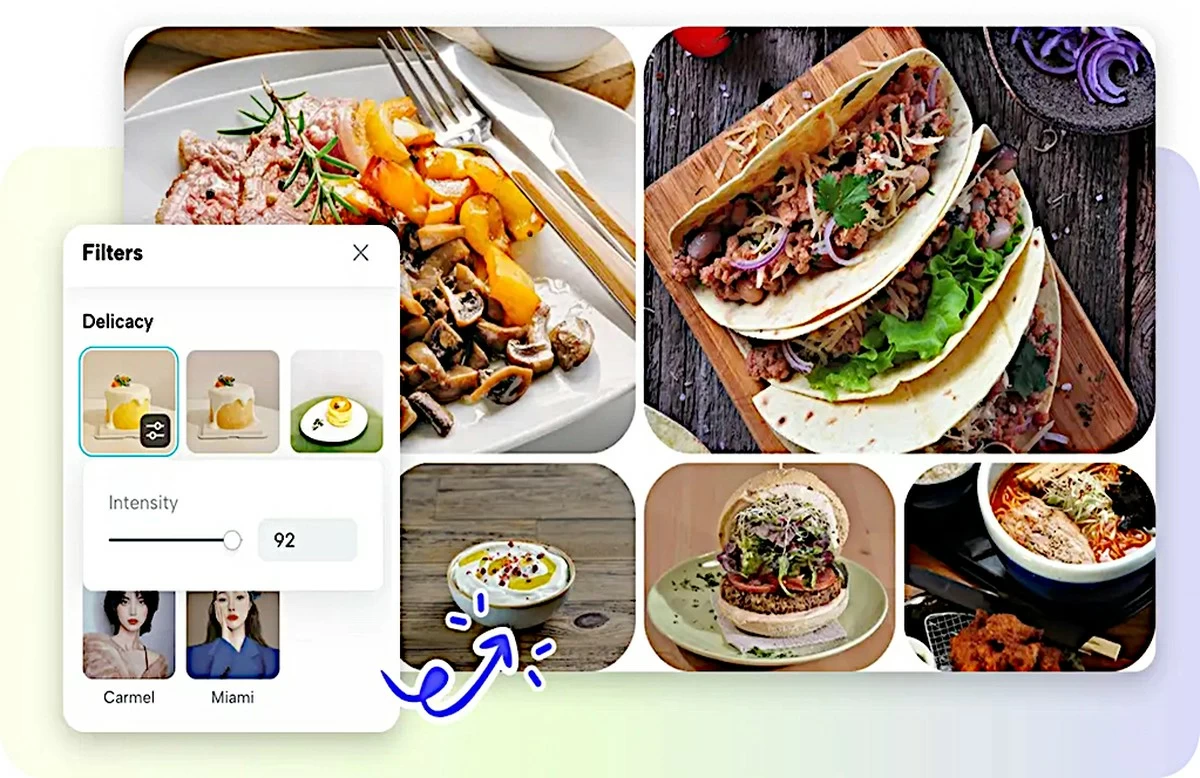
Just browse through your social media pages for a minute or two, and you will see something rather unique. No more ordinary video clips of ready-made dishes or still pictures from menus. Food marketing has evolved significantly and taken a different path towards promotion – telling stories visually.
Nowadays, customers need not only a great product but also immersive experience even before setting foot in a restaurant or ordering food. That is where Pippit comes into play and makes life easier for those running their own cafes, cloud kitchens, and food-based startups who wish to attract the attention of their target audience among numerous ads.
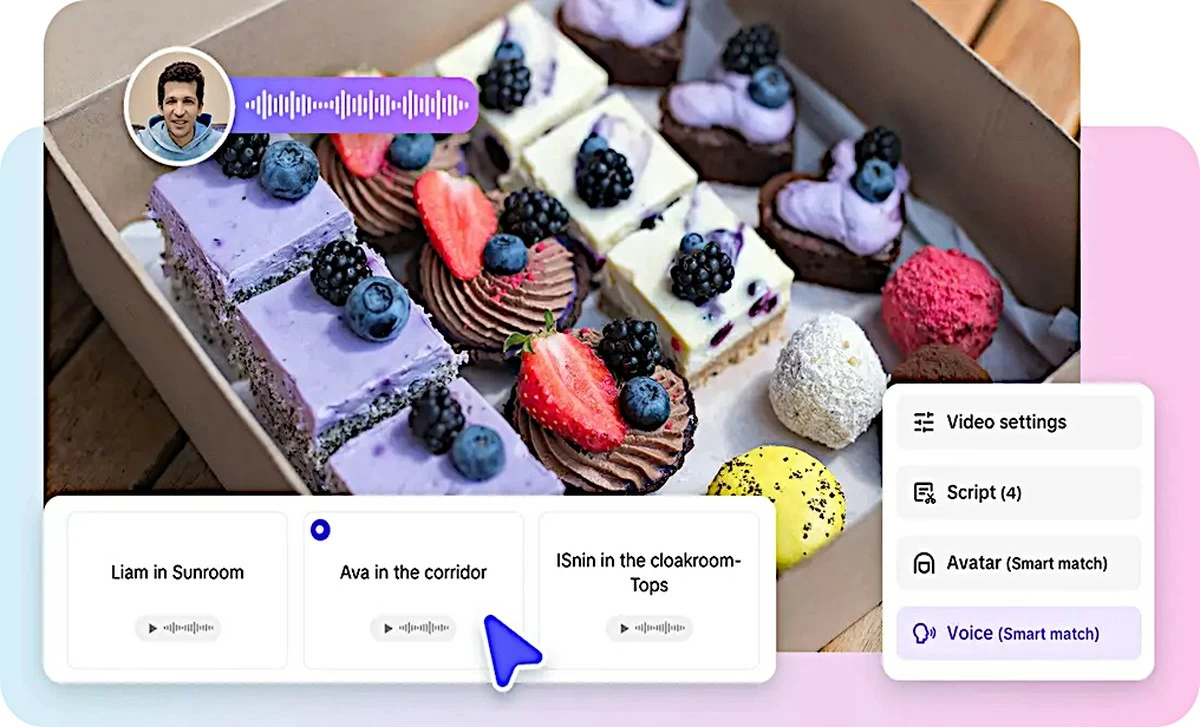
Thanks to the technology called Seedance 2.0 incorporated in special AI video generation tools, one does not need a huge team of professionals or even an advanced editing studio. It is possible to create a commercial-like video within minutes, using just a few shots of the products or dishes to attract attention of clients and convince them to use your services.
When food marketing becomes entertainment
Speed and creative ability are combined in the primary benefit. Instead of requiring days of planning and hiring multiple editors in order to produce short social media advertisements, owners of the restaurants do not have to waste their time anymore as the technology provides an easy and quick solution without compromising the quality and cinematography of the video.
Traditionally, emotions have always played a big role in food commercials. The steaming pizza was not meant to advertise itself. Rather, it sold comfort, happiness, celebrations, and experience. Contemporary restaurant promotion has less to do with information and more with establishing a certain mood.
The new language of restaurant advertising
Artificial Intelligence food commercials allow for creating visual storytelling around the dishes rather than simple promotion of a product. A burger will not just be a burger anymore; it will be placed into a neon-lit late-night eatery. A tropical feeling will surround the smoothie advertisement. The dessert will look luxurious and cinematic.
Short-form content requires fast-paced editing, high-definition close-ups, and dynamic transitions, which trigger immediate emotional response from the viewer. Consequently, people tend to slow down their scrolling and pay attention to such videos.
When businesses adjust to this approach, they can benefit from increased engagement because people tend to remember emotions rather than descriptions of their meals.
Why food video campaigns work better online
People enjoy food content because it is something that they can imagine in terms of the feeling that it brings. The use of cinematic editing can create such an impression for viewers.
Here is a list of factors that explain why cinematic food video campaigns generate greater engagement levels:
- Movement adds freshness to the images of the dishes
- Textures evoke certain emotions
- Fast editing aligns the campaign with the attention span of social media users
- Storytelling makes restaurants easier to recognize
- Atmosphere of the video enhances perception of food
- Motion graphics make the menu more appealing
Businesses that produce high-quality videos on a consistent basis will eventually see the benefits of higher recognition due to brand differentiation.
From traditional menu photos to video campaigns
The classic approach to promoting restaurants involved static images. However, the current generation expects more dynamics.
Consider a promotion of a humble breakfast offer. Rather than uploading one image, AI-powered video advertisements will demonstrate how sunlight streams into the cafe window, how coffee pours into a cup, how pancakes flip in slow motion, and people relish the ambiance. And then, the offer is elevated into an experience!
It allows restaurants to stand out in digital environments where visual competition is very high and where attention spans are very short. The more engaging the video feels to your viewer, the more likely you will be remembered.
Additionally, some advertisers try incorporating different AI drama effects into their commercials to give them a touch of playfulness, luxury, nostalgia, or cinematic experience depending on the type of the campaign that's run. It's a great way to develop a unique brand personality.
Small restaurants can now market like big brands
The accessibility is among the main advantages of using AI in the food business. Previously, only large restaurant chains with ample budgets could afford professional commercial production.
Now, any local cafe, truck restaurant, dessert brand, and small restaurant can create a high-quality promotional video even without a studio.
Such possibilities are opening great prospects for:
Café campaigns that build better online presence
Small cafés can create seasonal campaigns using appealing images of their unique interior designs, signature beverages, and stories associated with a high-end experience.
Delivery-based brands creating effective delivery campaigns
Brands with a focus on food delivery can craft visually appealing content to make online ordering more tempting for customers.
Special seasonal menus or events can be made available online with high-quality promotion videos shot efficiently.
Food influencers increasing their social media followers
Food creators can convert normal videos into visually pleasing content that is suitable for advertising purposes.
Producing food ads that people love immediately
Effective restaurant advertising does not just showcase great-looking food; it evokes anticipation. An AI-powered video editor assists creators to create smooth transitions.
Campaigns should feature:
Rising steam from noodles, dripping syrup onto pancakes, or melting cheese on pizza grabs the audience's attention in the first few seconds.
Use of close-ups, wider scenes, or reaction shots keeps videos visually interesting without having to repeat the same editing tricks.
Lighting used in warm cafés, luxury restaurants, neon-lit cities, or even exotic beaches helps shape the emotional experience of food.
How to turn creative ideas into commercially usable videos using Pippit
If you want to promote desserts, coffees, fast foods, or luxurious eating experiences, these tips will enable you to convert plain food-related ideas into promotional videos. The process is as follows:
Step 1: Open the Video Generator
Register to create an account on the Pippit website. On the homepage, navigate to Video from the top panel or select Video Generator from the left side navigation panel. Type in the text prompt and explain the desired video style, tone, and angles. That way, you lay out the food commercial mood even before you generate it.
For instance: "Generate a high-end restaurant commercial featuring gourmet dishes being prepared in slow motion, cinematic steam effects, chefs plating food artistically, macro food close-ups, dramatic lighting, modern fine-dining atmosphere, smooth camera movement, rich textures, emotional background music, luxury food advertisement style, ultra-realistic cinematic visuals."
Press + and add an image, video, file, or link you would like the generated video to be based upon. Alternatively, you may press Upload reference video and select Upload. You may pick any sample video whose style will guide the AI in creating your video. Afterward, press Choose a Model and then select Dreamina Seedance 2.0. Select the video length, language, and aspect ratio, then press Generate.
Choose your video and play it. You will have the option to edit your video through cropping, stabilizing, color correction, or changing the background by pressing Edit more. Also, you may either download your new AI-made video to your device or publish it straight on social media.
Why visual consistency matters for restaurant branding
It's common for restaurants to prioritize high-quality food above everything else, even ignoring visual identity. However, creating consistent videos helps audiences identify the brand when scrolling.
A restaurant that creates its video campaigns in a style with warm lights generates unique vibes. And another fast-food company that creates videos with energetic editing and transitions generates a unique identity. That's why it's easier to maintain consistency with the help of AI technology.
That's important because people tend to develop emotional connections with the aesthetics of a brand first. Good visuals can create perceptions about the quality and prices of goods.
Food marketing is now shifting to becoming more and more experience-oriented. It's not enough to show people a picture of a dish, but they want to feel what it means to be in the place.
Using artificial intelligence for commercial generation makes it possible for restaurants to achieve this objective in a shorter time period. In addition to using high-quality photographs, businesses now have an opportunity to make use of the cinematic power of their content by generating highly immersive, engaging, and shareable content.
By using Pippit, one can easily generate visually appealing commercials that give the brands freedom to experiment with different types of storytelling, editing techniques, and even the overall visual style of their campaigns. Regardless of whether you have a luxurious brand of restaurants or a growing food delivery service, visually compelling commercial ads can significantly enhance the impact of your brand’s content.
With increasing competition on social media, the use of cinematic content can help brands stand out from their competitors.