


21/06/2026

Share:
21/06/2026
Share:
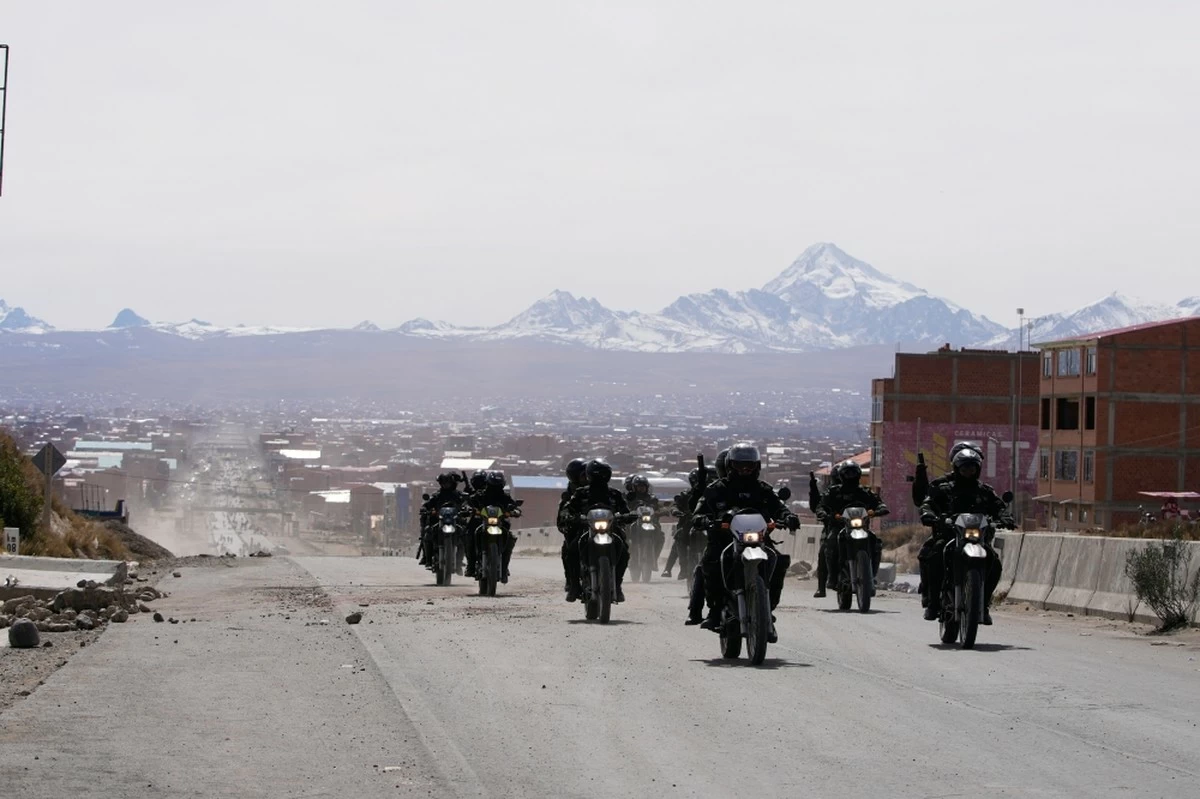

LA PAZ, Bolivia, June 21, (AP): President Rodrigo Paz on Saturday declared a state of emergency that gives the military broad power to remove road blockades that have put a stranglehold on fuel and food supplies in Bolivia's seat of government and other major cities. A wave of protests over the last five weeks has called for Paz to step down over austerity measures imposed by the government, including the cancellation of fuel subsidies, and other issues.
The demonstrations have unleashed violent confrontations between dynamite-wielding demonstrators and riot police, leading to at least 365 arrests and 37 injuries, according to authorities. At least 17 people have died, most of them linked to a lack of medical care caused by transportation disruptions, according to Bolivia’s ombudsman’s office and human rights organizations.
Barricades erected on key roads have effectively isolated the city of La Paz, triggering fuel and food shortages, paralyzing transportation and preventing patients from reaching hospitals - causing at least seven deaths for lack of medical attention, the government says. "This is not a state of emergency to restrict people’s lives. It is a state of emergency to give people back their freedom,” the president said in a televised address to the nation.
As businesses closed over the course of the protests, supermarket shelves emptied and hospitals ran out of oxygen, calls from some sectors of society escalated for Paz to restore order through force. On Friday night, Paz signed an agreement with one of the labor unions, whose leaders called for the blockades to be lifted.
But other protesters have demanded that Paz resign and refused to negotiate. Paz said that the state of emergency is intended to guarantee fuel supplies, which have become increasingly scarce as roadblocks have left tanker trucks stranded.
The decree prohibits "blocking streets, avenues, roads and highways in ways that affect transportation and supplies,” and orders the armed forces to temporarily support the police "in restoring order, reopening roads and protecting the population.” The state of emergency doesn't limit due process rights or constitutional guarantees and allows people to continue their daily activities, according to the decree.