


18/10/2026

Share:
18/10/2026
Share:
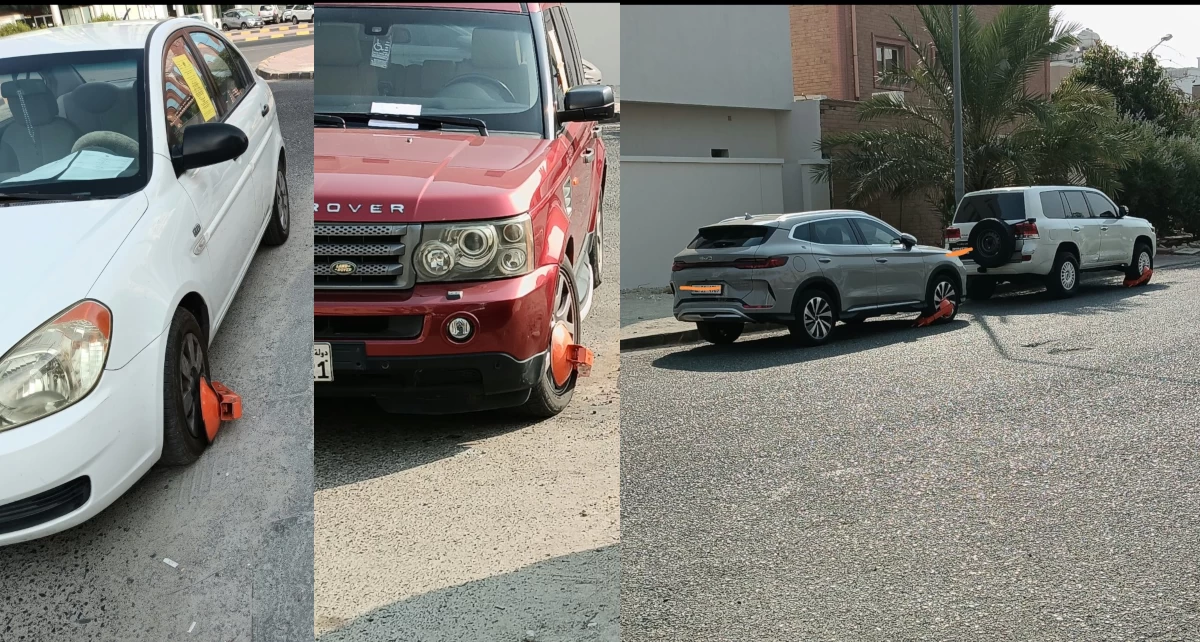

KUWAIT CITY, Oct 18: Kuwait’s General Directorate of Traffic has defended the use of wheel clamps on vehicles parked in prohibited areas, saying the measure is lawful and necessary to ensure smooth traffic flow and protect road users.
Lieutenant Colonel Abdullah Bu Hassan, Assistant Director of the Traffic Awareness Department at the General Directorate of Traffic, said the action taken against violating vehicles was in accordance with the law, stressing that public roads are shared spaces and cannot be treated as the private property of any individual or group.
Commenting on photographs circulating on social media showing wheel clamps placed on vehicles parked along a road, Bu Hassan said the procedure was correct from a traffic enforcement perspective.
He cited Article 1 of the Traffic Law, which states that the law, its implementing regulations and decisions apply to all types of vehicles, as well as the movement of pedestrians and animals on public roads.
He explained that the law regulates traffic on public roads and establishes the obligations that all road users must observe.
Traffic patrols and specialised security patrols are authorised to issue violations against vehicles found breaching traffic regulations on public roads, in accordance with their legal powers and the applicable procedures, he added.
Bu Hassan said the cases shown in the circulating photographs involved vehicles that had violated parking regulations. He explained that enforcement action was taken in response to reports and complaints received by the Ministry of Interior’s operations room, as well as reports submitted through the General Directorate of Traffic’s WhatsApp service.
He stressed that parking in prohibited areas can obstruct traffic, inconvenience other road users and compromise road safety, making legal action against violators necessary.
Bu Hassan said the purpose of issuing traffic violations was not merely to penalise drivers, but also to correct improper driving and parking practices, improve traffic awareness and prevent repeated offences.
He added that enforcing traffic regulations helps promote respect for the law and safeguard the rights of other road users.
Bu Hassan urged motorists to comply with parking and stopping regulations and avoid prohibited areas, stressing that respecting public roads and ensuring their unobstructed use is a shared responsibility essential to maintaining traffic flow and serving the public interest.