


13/12/2025

Share:
13/12/2025
Share:
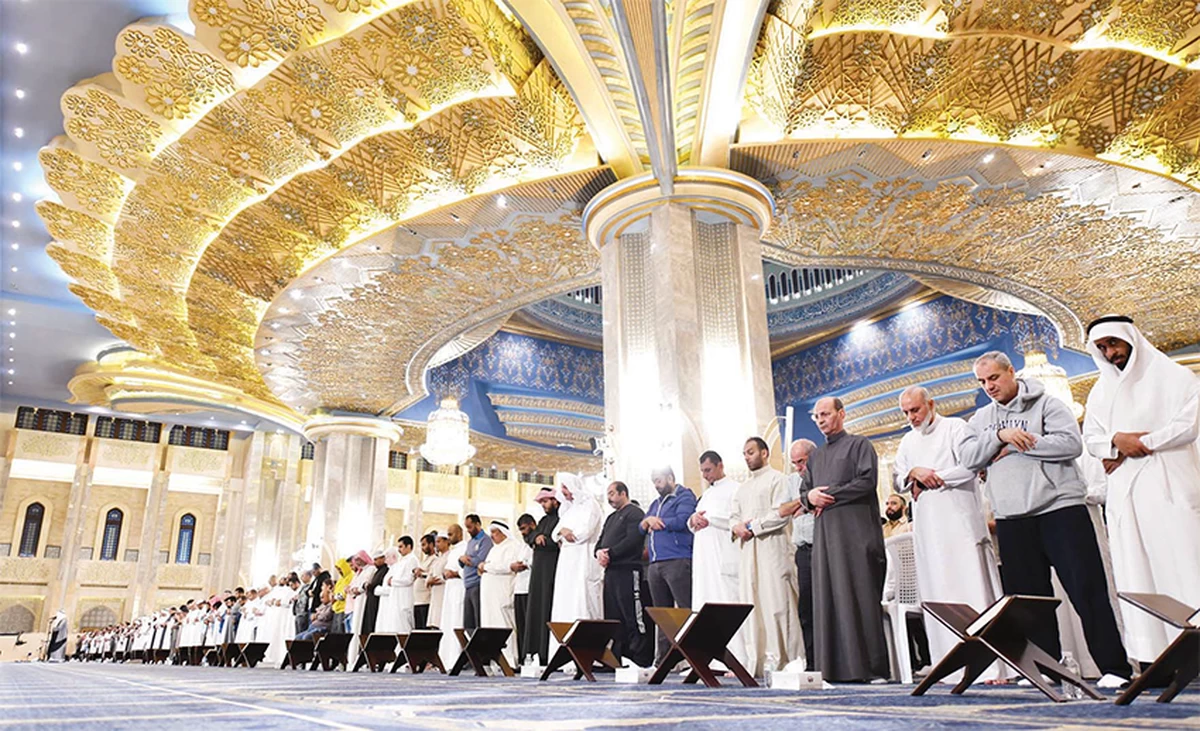

KUWAIT CITY, Dec 13: The Ministry of Islamic Affairs has finalized a draft law to regulate the establishment and management of places of worship, and has sought feedback from relevant government agencies on the draft law, reports Al-Rai daily. The proposed law aims to promote freedom of religious practice and equality among citizens, ensure transparency and objectivity in the management of places of worship, and prevent their use for political, non-religious, or profit-driven purposes. It seeks to strengthen technical, administrative, and financial oversight and regulate the activities and events held within places of worship.
It also aims to enhance Kuwait’s regional and international standing. However, its provisions do not apply to places of worship that are established and managed by the Ministry of Islamic Affairs. The draft law includes the creation of a “Places of Worship Committee,” which will be tasked with providing guidance on the standards and regulations for establishing and managing places of worship. The committee will also develop a regulatory map of worship locations, ensuring that the number of places of worship for each religion or sect is proportionate to the actual population and density.
The draft law also requires every place of worship to open a bank account under the ministry’s supervision. Places of worship must maintain records, books, data, and electronic systems related to their activities for at least ten years, and their destruction is only permitted with prior approval from the ministry. It includes several provisions concerning penalties that range from fines to imprisonment, and grants the Ministry of Islamic Affairs the authority to close and liquidate the assets of places of worship that violate the law, in accordance with the procedures and rules set out in the executive regulations. The draft law requires places of worship to use their funds solely for activities that serve their intended purposes.
It also includes several prohibitions, the most important of which are: - Offending any religion, sect, or belief
- Interfering in the internal or external policies of the state or disrupting public order
- Inciting sectarian or racial strife, or promoting extremism or violence
- Organizing events or performing rituals outside places of worship without a permit
- Conducting rituals or ceremonies that harm oneself or others, or threaten health, safety, or security.
- Communicating with the diplomatic or official institutions of any country without authorization. - Using a place of worship to interfere in the internal or external policies of other countries.