



13/02/2026

Share:
13/02/2026
Share:

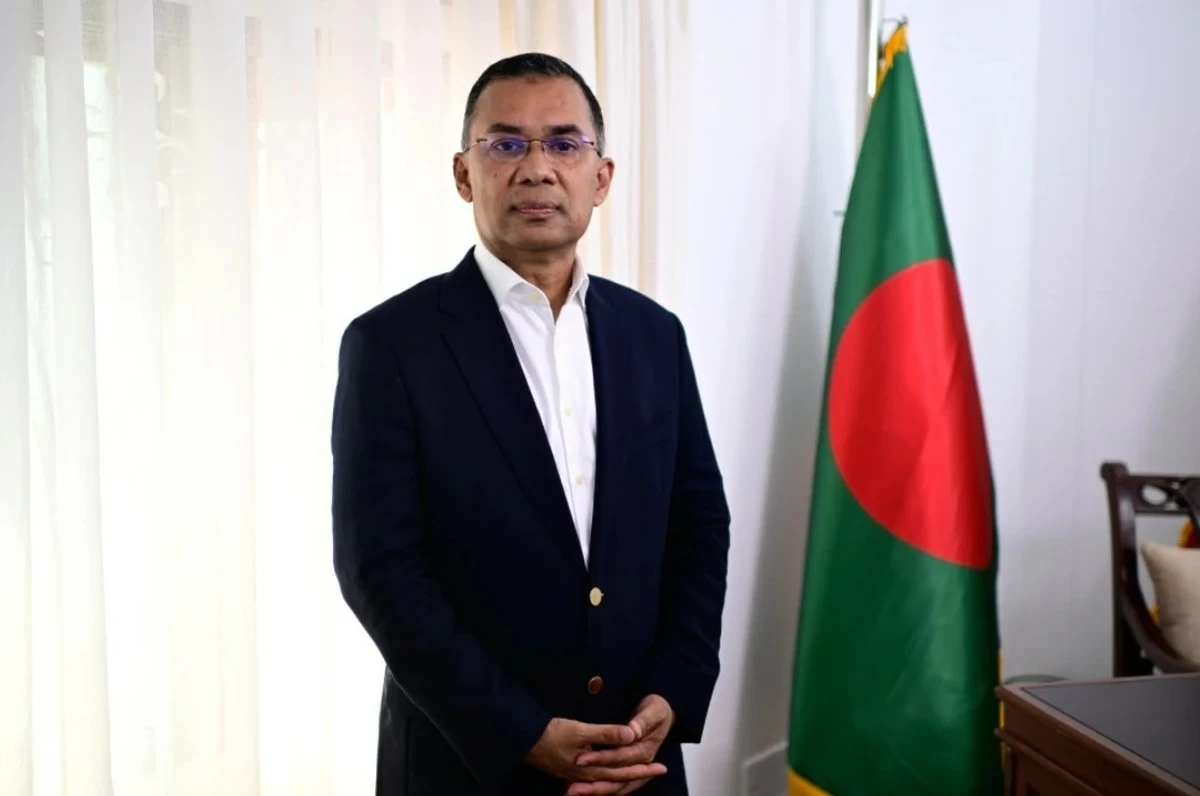
BNP chairperson Tarique Rahman
DHAKA, Bangladesh (AP) — The Bangladesh Nationalist Party has claimed victory in the country’s first election since the 2024 uprising, positioning itself to form the next government and potentially reshape Bangladesh’s political landscape after years of intense rivalry and disputed polls.
The party’s media unit said on X Friday it had secured enough seats in Parliament to govern on its own, though rival group Jamaat-e-Islami raised concerns over delayed results. The final tally has not yet been announced by the Election Commission, but several local media outlets reported the BNP crossing the 151-seat threshold needed for a majority in the 300-member Parliament.
BNP is headed by the 60-year-old Tarique Rahman, its prime ministerial candidate who returned to Bangladesh in December after 17 years in self-exile in London. He is the son of former Prime Minister Khaleda Zia, who died in December.
Ruhul Kabir Rizvi, senior joint secretary-general of the BNP, extended congratulations to the people of Bangladesh on the party’s electoral victory in a statement. Separately, Saleh Shibly, press secretary to Rahman, said the BNP leader called on his supporters to hold special prayers alongside the weekly Friday service and not to hold any celebratory rallies and processions.
US, India and Pakistan congratulate the BNP’s Rahman
The U.S. Embassy in Dhaka congratulated Rahman and his party on the win, calling it a “historic victory.”
“The United States looks forward to working with you to achieve shared goals of prosperity and security for both our countries,” U.S. Ambassador to Bangladesh Brent T Christensen wrote on X.
Leaders from India and Pakistan also lauded the BNP leader.
Indian Prime Minister Narendra Modi noted the win “reflects the confidence of the Bangladeshi people in your leadership.” He added that he looks forward to collaborating with him to deepen bilateral ties.
Pakistan’s President Asif Ali Zardari said his country “remains committed to a strong democratic partnership and advancing shared progress.”
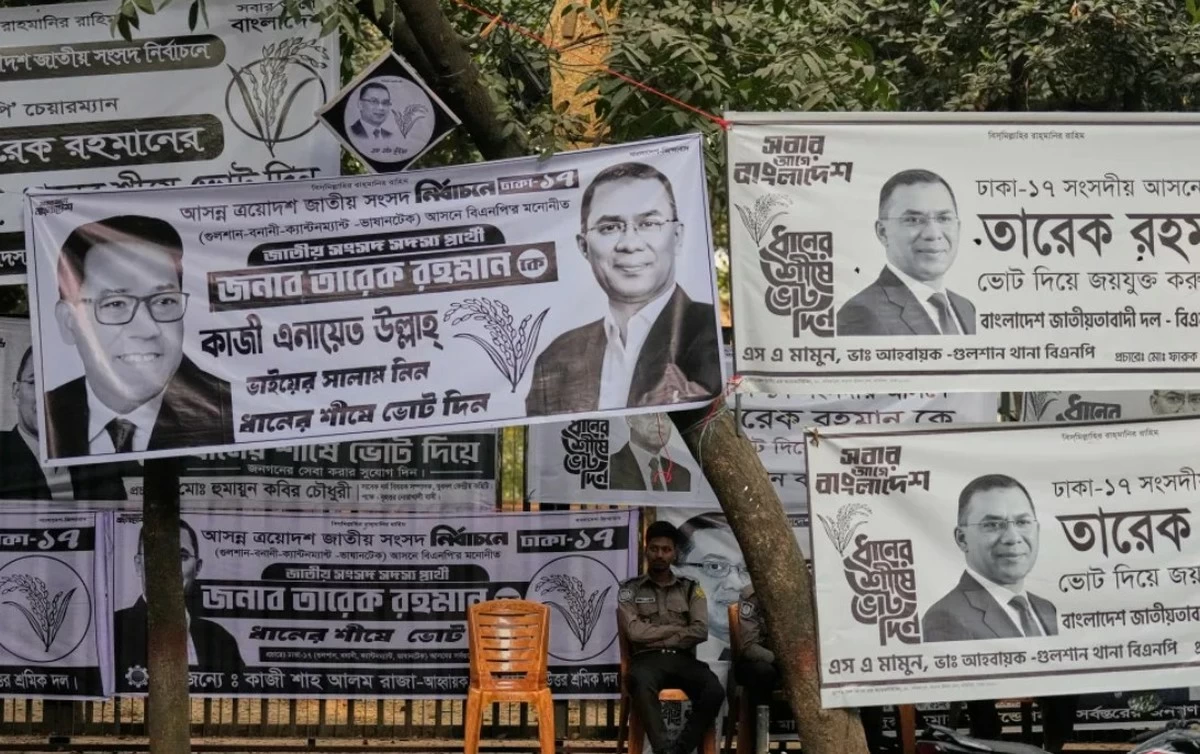
Islamist Jamaat-e-Islami party makes inroads
The contest was largely a two-way race between the BNP and an 11-party alliance led by the Islamist Jamaat-e-Islami, a conservative religious party whose growing influence has fueled concern, particularly among women and minority communities.
Despite falling short of a majority, the alliance made a notable impact, securing at least 60 seats, according to local TV channels.
Shafiqur Rahman, who heads Jamaat-e-Islami, secured a seat in Dhaka and is poised to become the opposition leader in Parliament. But his party voiced objections to the handling of the election results.
The party’s assistant secretary-general, Ahsanul Mahboob Zubair, said the Election Commission had delayed announcing results in several constituencies, calling the holdups “unusual.” In a statement on Facebook, the party also claimed that candidates from the alliance it heads were “narrowly and suspiciously losing” in multiple areas.
The National Citizen Party, established by student leaders of the uprising as a break from traditional politics but later aligning with the Jamaat-e-Islami-led coalition, also left its mark. Party chief Nahid Islam and at least three top leaders secured victories.