



20/04/2026

Share:
20/04/2026
Share:
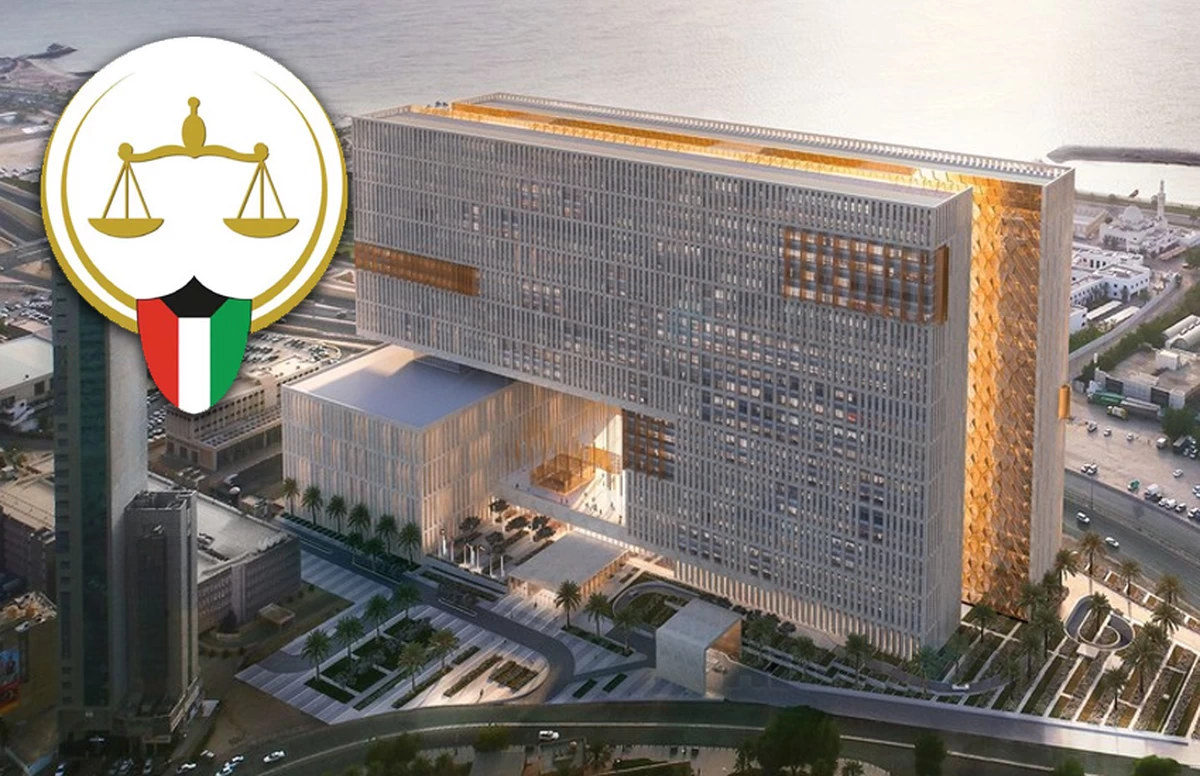

KUWAIT CITY, April 20: The decision of the Supreme Judicial Council to prohibit taking photos and videos inside courtrooms and judicial buildings without written permission from the relevant authorities was taken at the right time. Courts recently witnessed an increase in indiscriminate filming and the circulation of videos on social media related to pending cases or individuals within the judicial system.
This could violate their privacy and affect the legal proceedings. Legal experts confirmed to the newspaper that the decision is an important step towards restoring order inside the courts, maintaining the integrity of the justice system, preventing external influences on cases being heard, and providing a suitable environment for hearings -- away from practices that disrupt sessions or affect the parties involved in the case. Attorney Enam Haidar affirmed that the decision is a commitment to protect the dignity of litigants, pointing out that courts are not open forums for publication and circulation, as they are places where rights are upheld and privacy is preserved.
She added that some of the published videos were taken out of the legal context and led to premature societal judgments against parties whose cases have yet to be resolved. Attorney Abdulmohsen Al-Qattan said the decision aims to heighten security in the courts, explaining that unregulated filming could reveal the identities of witnesses or parties involved in the cases, potentially exposing them to pressure or threats. He stated that ensuring the safety of all participants in the judicial process is essential to achieving justice, and any violation of this principle must be dealt with firmly. He pointed out that the ban on filming contributes to reducing the crowd, which might impede the workflow in courts.
He considers the requirement for written permission a progressive step towards regulating media coverage, ensuring balance between the right of the public to know and the need to maintain order in courts. He clarified that the decision does not eliminate transparency, because such a move shifts the focus from randomness to organization, empowering relevant authorities to assess cases that warrant media documentation. He said this approach aligns with practices in many advanced judicial systems in several countries.
He stressed that the decision boosts public trust in the judiciary by providing a calm and impartial environment, free from external influences that might affect the parties involved in the case or the course of the trial. He added that preserving the dignity of the judiciary is crucial to upholding the rule of law, as justice cannot be achieved amidst media chaos or pressure resulting from the circulation of fragmented and out-of-context footages. He asserted that “the decision to ban filming inside the courts is a crucial step towards developing the judicial system, keeping pace with modern changes without compromising legal principles.”
By Jaber Al-Hamoud Al-Seyassah/Arab Times Staff