


24/03/2026

Share:
24/03/2026
Share:
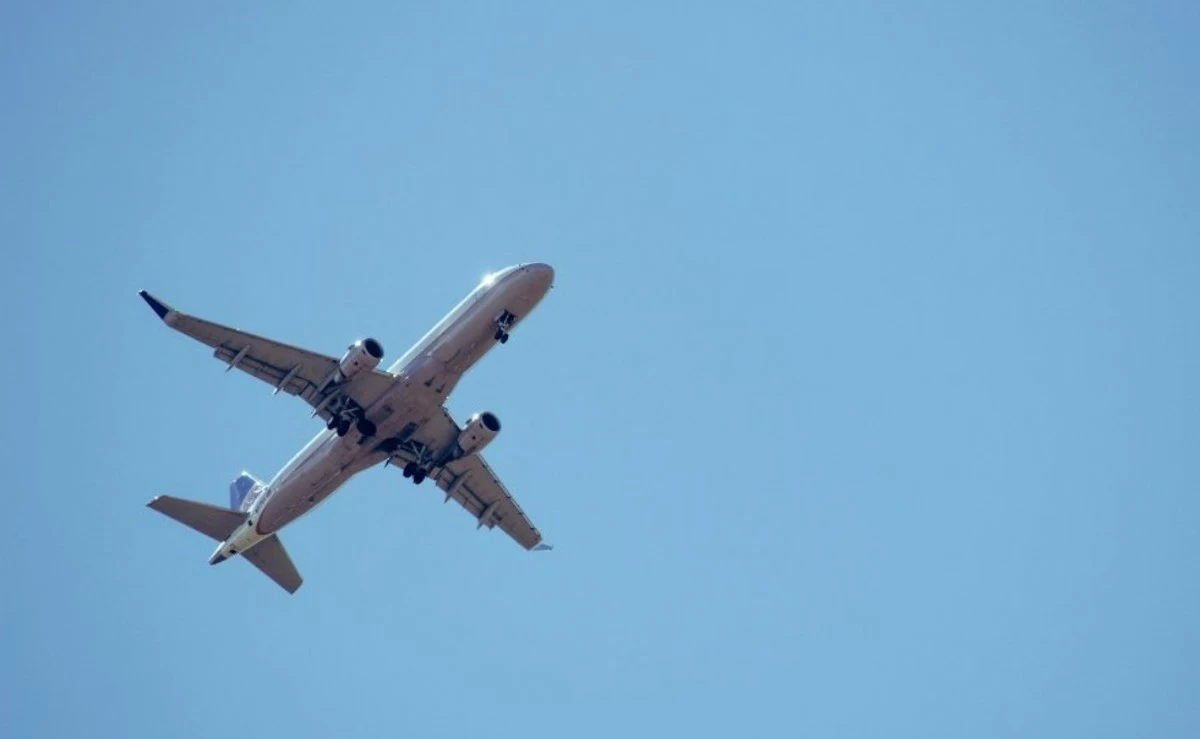

KUWAIT CITY, March 24: In a development proving the fragility of global energy supply chains, attacks on the Ahmadi and Mina Abdullah refineries, along with the almost total disruption of shipping traffic in the Strait of Hormuz, triggered a rapidly escalating global crisis in jet fuel supplies, impacting international air traffic and the operating costs of airlines. According to the report published by Windward, these developments removed about 10 percent of the world’s seaborne jet fuel supply -- one of the biggest shocks to the aviation sector in years. Kuwait plays a vital role in the jet fuel market, as it is the world’s second-largest exporter after South Korea, with exports projected to reach about 260,000 barrels per day in 2025 or around 10 percent of global seaborne trade in this fuel.
The majority of these exports are in the Mina Al-Ahmadi and Mina Abdullah refineries, which account for 61 percent of total shipments; hence, any disruption there has a direct and immediate impact on global markets. Major markets such as France, the United States of America, the Netherlands and Belgium rely heavily on Kuwaiti supplies, given the limited domestic production in Europe. The Windward report revealed that 73 loaded jet fuel tankers (LR1 and LR2), including eight shipments, are stranded in the western part of the Strait of Hormuz, with new loading operations halted for more than three days. It indicated that this logistical disruption caused delays in global supply chains, increased maritime transportation costs, and disrupted refueling schedules at international airports.
Data from shipping tracking companies, such as Vortexa, showed that jet fuel flows through the Gulf have declined significantly, further increasing pressure on European and Asian markets. Before the crisis worsened, jet fuel prices already surpassed $202 per barrel on March 17, according to the Windward report. As shortages intensified, prices began to climb even higher, prompting global airlines to take emergency measures, particularly rescheduling long-haul flights, reducing operational loads, seeking alternative fuel sources, and raising ticket prices to offset costs. According to previous reports by Reuters and Bloomberg, jet fuel is about 25 percent to 35 percent of airlines' costs, making any price increase a direct impact on the sector. The repercussions of the crisis are not limited to Kuwait, as they extend to other Gulf Cooperation Council (GCC) countries, which are among the world’s most important energy production and export hubs.
As parts of the system are disrupted, global markets are more vulnerable to fluctuations, especially in the aviation sector, which relies on stable and rapid energy flows. The repercussions have started to gradually appear in global air traffic. Operating costs for airlines have risen, and the likelihood of flight delays or reductions has increased. Pressure is mounting on European airports that rely on imported fuel supplies.
In addition, some airlines have started increasing their use of reserve fuel or rerouting flights to avoid areas of tension, which raises fuel consumption and costs. The severity of this crisis lies in several interconnected factors, specifically the high global dependence on the Gulf as a primary source of fuel, limited alternatives to compensate for the shortage of jet fuel, aviation sector’s sensitivity to supply disruptions, and the interrelationship between financial and energy markets. Analyses issued by the International Energy Agency revealed that energy markets are more volatile when geopolitical chokepoints, such as the Strait of Hormuz, are threatened.
Meanwhile, the current jet fuel crisis reveals that the world remains dependent on the stability of the Gulf region, and specifically Kuwait, to ensure the continuity of global air traffic. With tensions persisting, markets remain on edge, as any new development could redraw the map of global energy flows and determine the future of the aviation sector in the coming years.
International reports published by Reuters and Bloomberg disclosed that the expected post-war scenarios are divided into three phases: short-term, medium-term, and long-term, as follows:
1. In the short term, jet fuel prices will continue to rise, increasing pressure on airlines and leading to greater reliance on strategic reserves.
2. In the medium term, supply chains will be reallocated towards alternative sources, with increased investment in refining capacity outside the Gulf and more focus on long-term contracts to secure supplies.
3. In the long term, efforts will focus on accelerating the transition to sustainable aviation fuels (SAF), diversifying energy sources in the aviation sector, and developing more resilient strategies for global supply chains.
Also, while the attacks revealed the fragility of some supply chains, they highlighted Kuwait’s strategic role in the global energy market. Kuwait is not just an exporter, but a key logistical hub in the fuel trade, a major player in the stability of aviation markets, and a central part of the Gulf energy system. With the return of stability, Kuwait is expected to play an even greater role in rebalancing markets and enhancing the reliability of supplies.
By Inaas Awadh Al-Seyassah/Arab Times Staff