



26/05/2026

Share:
26/05/2026
Share:
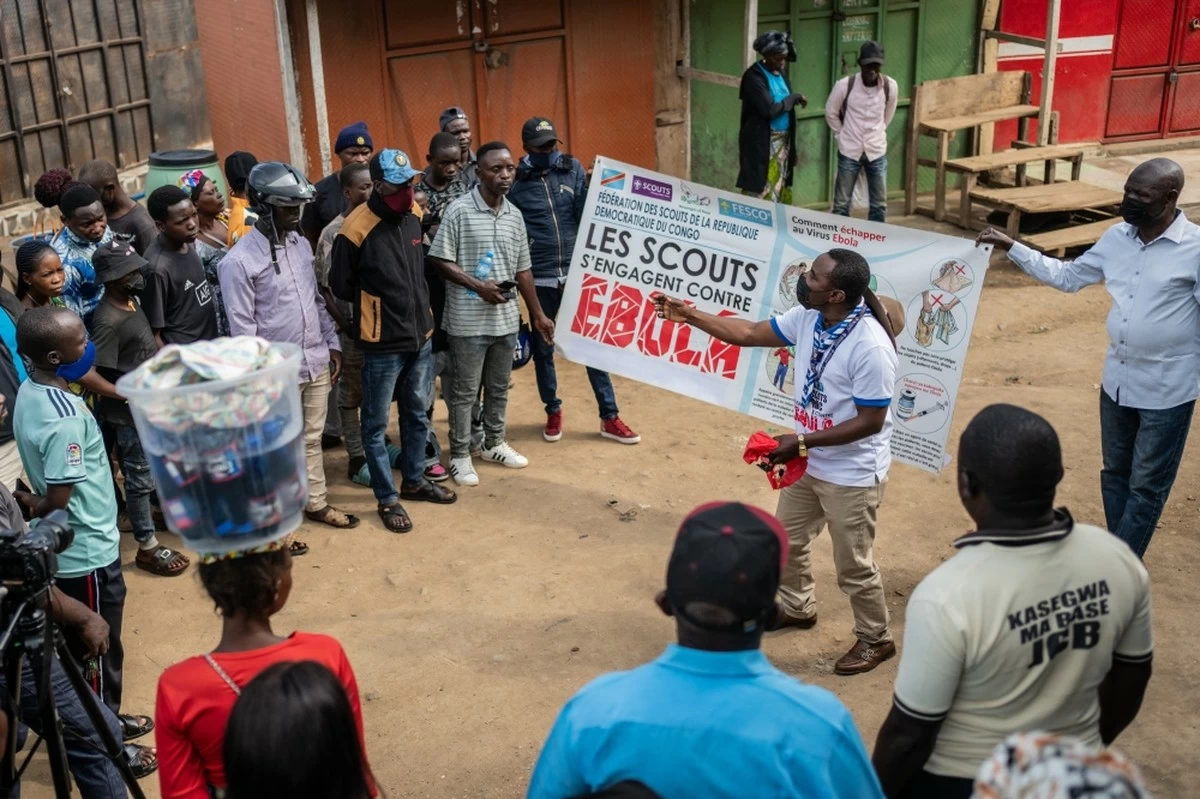

BUNIA, Congo, May 26, (AP): Every time Vanny Birungi, a volunteer with the Red Cross in eastern Congo, goes out to raise awareness about the latest Ebola outbreak as suspected cases near 1,000, she faces a double threat. One is the rare Bundibugyo type of Ebola, with no vaccine or treatment. The other is the anger and suspicion of residents who have pelted her with stones and verbal abuse in Bunia, a city at the heart of the outbreak.
"We continue to tell them that the disease is out there. Some accept, and others don’t,” Birungi told The Associated Press on Monday as she and colleagues spoke with groups of people in a working-class neighborhood under the scorching sun. Aid workers are especially at risk in this volatile region where residents, like Birungi, have long been under threat of armed groups that have killed thousands of people and displaced many more in recent years.
Trust is hard to find among the traumatized population that is wary of outsiders, even those trying desperately to contain the rapidly spreading outbreak that experts say was discovered weeks late. Surveillance for such diseases has been weakened by US and other aid cuts. The World Health Organization says that a family of fruit bats is believed to be the natural hosts of the viruses that cause Ebola.
But some people don’t believe the virus exists, or are skeptical about its origins. "These people should stop bothering us. They just want to get rich. Let’s not forget that Ebola is a white man’s invention,” declared Pierre Basola, a 56-year-old resident of Bunia, who added: "Stop talking to me anyway.” Three times in the past week, healthcare facilities have been attacked.
On Sunday, angry young men stormed a hospital treating Ebola patients, forcing medical staff to evacuate them as gunfire rang out. On Saturday, a group of residents set fire to a tent for suspected and confirmed Ebola cases run by Doctors Without Borders in Mongbwalu, and more than a dozen people suspected to have the virus fled.
On Thursday, a center in Rwampara was burned after relatives were barred from retrieving the body of a man suspected to have Ebola. Anger is amplified as virus prevention practices keep loved ones from handling bodies in final rites following an illness some have described as sudden and dramatic, with vomiting and bleeding.
The Ebola virus is spread through close contact with sick or deceased patients’ bodily fluids, such as sweat, blood, feces or vomit. Experts say healthcare workers and family members caring for patients face the highest risk. "Trust is almost as important as the health response, because if you get this massive distrust in the communities, they’re not going to go to the health centers,” said Heather Kerr, country director for the International Rescue Committee in Congo.