



23/01/2026

Share:
23/01/2026
Share:
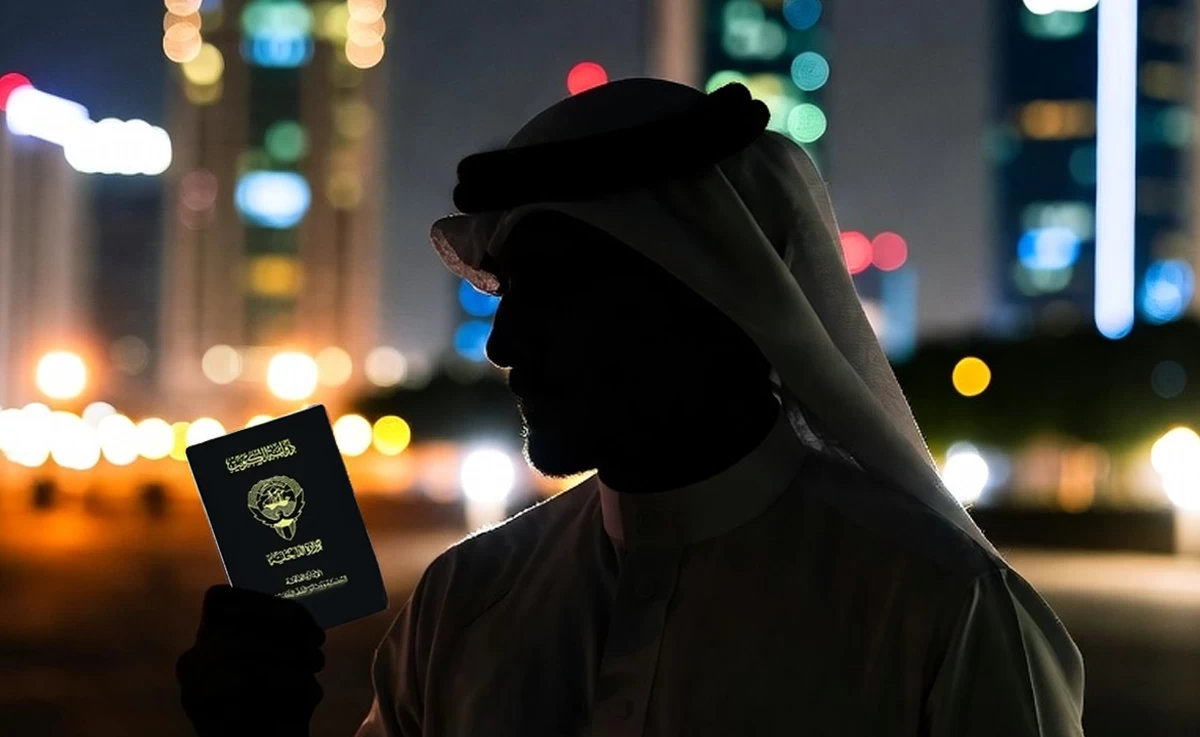

KUWAIT CITY, Jan 23: Kuwaiti authorities have uncovered a sprawling citizenship forgery case involving 46 individuals, exposing a network of falsified identities, manipulated records, and international asylum claims. The investigation began with the suspicious marriages of three daughters to men whose citizenship documents were forged — two of the husbands were even brothers, each claiming a different Kuwaiti father and identity.
According to informed sources, the initial discovery prompted a deeper probe into the father of the three girls, revealing that he, too, was a forger. Kuwaiti Interpol informed the Nationality Investigation Department that the entire family — including the father, his sons, and grandchildren — had left Kuwait and applied for asylum in Britain, raising serious doubts about the legitimacy of their Kuwaiti nationality.
The father’s official file lists 11 children and a divorced ex-wife, but further investigation into his extended family uncovered startling inconsistencies. Thirty-one supposed siblings of the father, representing four marriages, were summoned for questioning. Every single one confirmed that the individual claiming to be their brother was not related to them in any way. DNA testing of these siblings confirmed the absence of any biological link to the father, fully disproving his claimed family connections.
Authorities also cross-checked the DNA of the three daughters with the 31 alleged siblings. The results confirmed definitively that the daughters had no relation to these individuals, establishing beyond doubt that the man attributed as their father was a forger.
The investigation revealed that the six sons of the accused father are married to Syrian women or stateless residents (Bidoon), strongly indicating Syrian origins, which further corroborated the patterns of falsification in the family’s records.
Sources emphasized that this case highlights the importance of examining the social environment of individuals involved in forgery cases. Relationships, marriages, friends, and extended family often provide critical indicators, helping investigators trace a web of falsified identities and uncover additional fraudulent claims.
The Nationality Investigation Department continues its work dismantling the network, relying on scientific evidence, official documents, and social background checks to ensure the integrity of Kuwaiti citizenship and safeguard the nation’s identity. The total number of dependents linked to this case now stands at 46, including children, grandchildren, and other relatives registered under the forged file.