


24/08/2026

Share:
24/08/2026
Share:
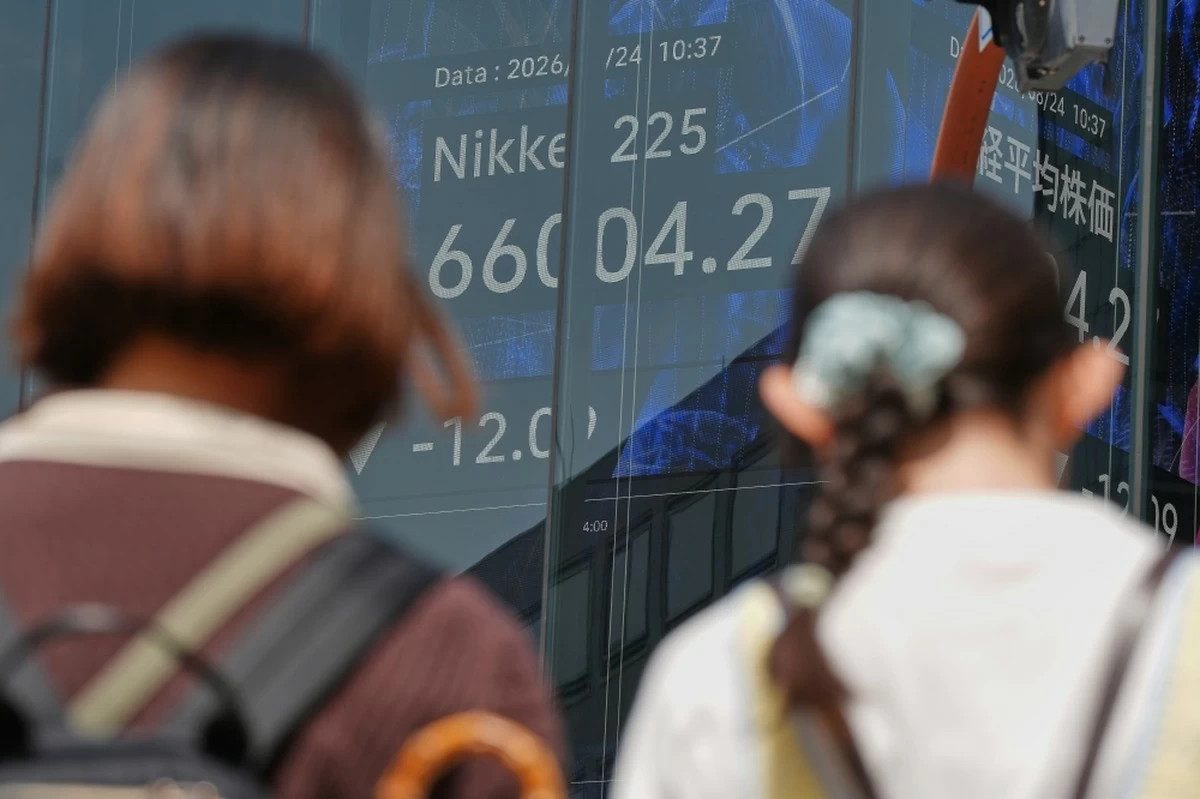

BANGKOK, Aug 24, (AP): Asian shares were mostly lower and oil prices slipped on Monday at the outset of a week capped by an annual meeting of top U.S. economic officials at Jackson Hole, Wyoming. US futures edged lower. In Tokyo, the Nikkei 225 fell 0.7% to 65,528.09, while South Korea’s Kospi lost 3.1% to 6,696.96. The Hang Seng in Hong Kong declined 1.8% to 25,555.11 and the Shanghai Composite index gave up 0.6% to 3,882.01.
Australia's S&P/ASX 200 gained 0.5% to 9,103.10, bucking the regional trend. Taiwan's Taiex fell 1%. Investors will get an important inflation update on Wednesday when the US releases its report on personal consumption expenditures, or PCE, for July. It is the Federal Reserve’s preferred measure of inflation. Much like the consumer price index, it has shown that the rate of US consumer inflation remains stubbornly above 3%.
The Fed has been struggling to get inflation back to its target rate of 2%. It came close in early 2025, but then inflation started creeping higher as the US imposed a wide range of tariffs globally. The rate of inflation leaped higher in early 2026 as the Iran war curtailed global oil shipments from the Strait of Hormuz.
Last week, rising bond yields forced the US Treasury Department into an unusual intervention and raised the specter of higher borrowing costs weighing on consumer spending, the lifeblood of the economy. It also sparked concerns that investors might finally be thinking twice about financing a seemingly endless flow of government borrowing.
The bond markets got only temporary relief from Treasury Secretary Scott Bessent’s announcement that the government would double its buybacks of longer-term bonds. That was meant to bring down the 10-year Treasury yield and lower mortgages. The 10-year yield rose back to 4.73% Friday, matching its highest point in more than a year. It was at 4.71% early Monday.
The 30-year Treasury yield, which the Fed is also targeting with its bond repurchases, also rose and is near its highest level since 2007. Higher yields can slow the economy and undercut prices for all kinds of investments. The bond market has remained jumpy, and investors will be watching for signals from Federal Reserve Gov. Kevin Warsh regarding rates and other policies in a key speech at the annual gathering of US economic leaders in Jackson Hole later this week.