


25/01/2026

Share:
25/01/2026
Share:
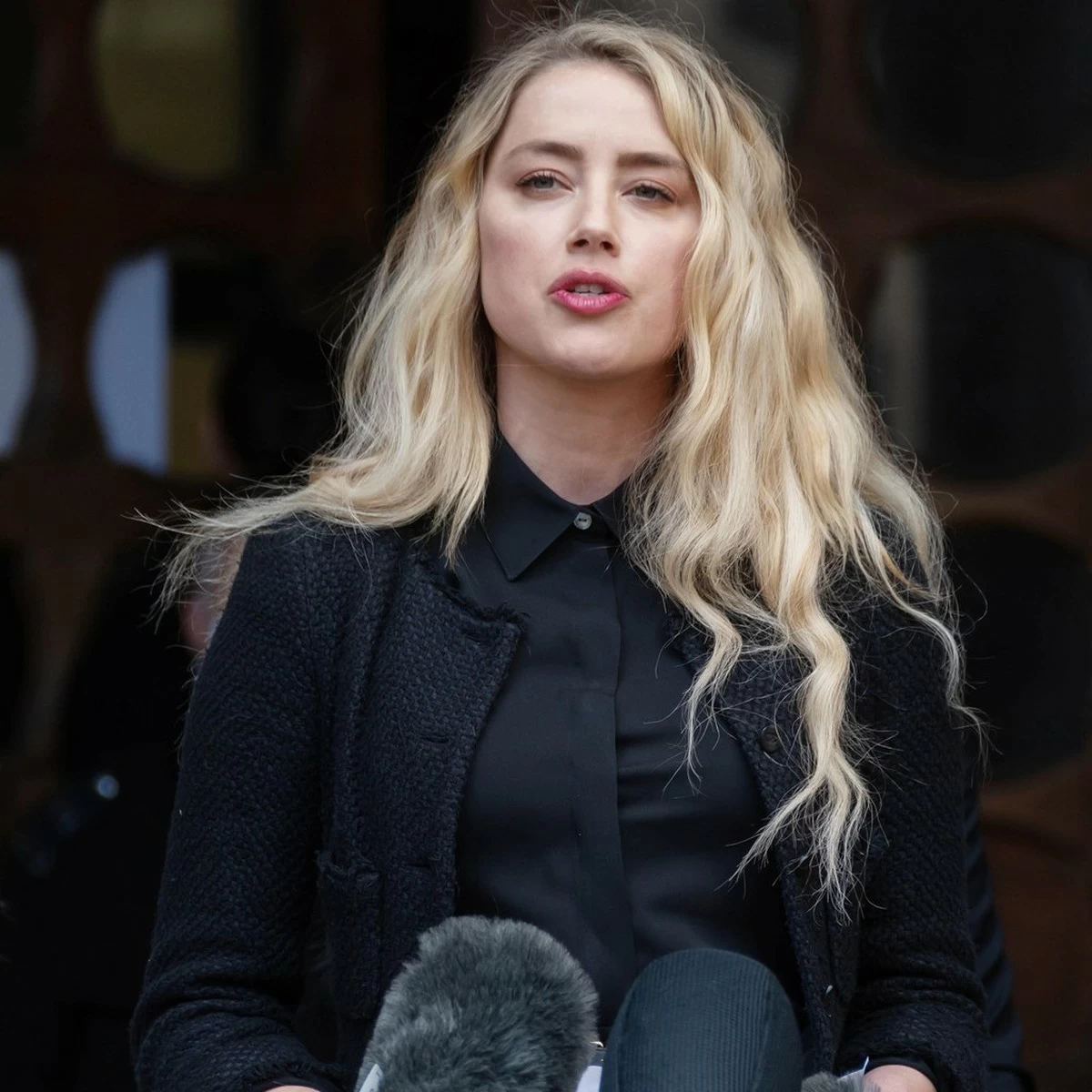

PARK CITY, Utah, Jan 25: Actress Amber Heard made an unexpected appearance in the new documentary Silenced, premiering Saturday at the Sundance Film Festival, which examines how defamation lawsuits are used to silence women speaking out about abuse.
Directed by Selina Miles and co-produced with international human rights lawyer Jennifer Robinson, the film screened in the World Cinema category and follows women—including a journalist—whose pursuit of justice was hindered by nine-figure defamation claims.
Heard, who was involved in the 2018 defamation lawsuit brought by her ex-husband Johnny Depp against the British newspaper The Sun, appears in her first film since Aquaman and the Lost Kingdom (2023). Depp had sued the paper over a story citing Heard’s allegations of domestic violence; Heard played a central role in the defense.
“This is not about me. I have lost my ability to speak. I am not here to tell my story. I don’t want to tell my story. In fact, I don’t want to use my voice anymore. That’s the problem,” Heard said in a confessional interview with Miles.
Other subjects featured in Silenced include Brittany Higgins, an Australian political staffer who reported a rape allegation against a superior; Catalina Ruiz-Navarro, editor of Latin American magazine Volcánica, sued by director Ciro Guerra over published misconduct allegations; and human rights attorney Sibongile Ndashe.
Speaking at the Variety Studio presented by Audible at Sundance, Robinson highlighted the “chilling effect” defamation suits have on women’s ability to speak out.
“In the post-#MeToo world, we saw women break the cultural silence, speaking publicly about gender-based violence. What we then saw is their alleged perpetrator bringing a defamation claim saying, ‘This is not true, it’s defamatory, and I’m going to sue you for a lot of money,’” Robinson said.
She added that defending against such claims is prohibitively expensive. “The question I ask in this film is, ‘What does free speech mean if you can’t afford to defend it?’”
Heard described her involvement in the Depp v. The Sun case as a Catch-22. “The outcome of that trial depended on my participation, and I depended on the outcome of that trial. When I first met [Robinson], I immediately got the sense that she got the bigger picture. What has happened to me is an amplified version of what a lot of women live through,” she said.
The documentary depicts the public scrutiny Heard faced during the trial, including harassment from Depp fans outside the courthouse. “I remember at the close of the trial, the idea that I could say something to the press came up. [Robinson] asked if I was sure about that. [I thought], ‘If they throw things at me, it will make this point more obvious.’ I didn’t understand it could get so much worse for me as a woman, using my voice,” she said.
Ending on a hopeful note, Heard said, “It gives me strength seeing other people take on the fight. Women brave enough to address the imbalance of power. Looking at my daughter’s face as she grows up… I believe it can be better.”