


15/08/2026

Share:
15/08/2026
Share:

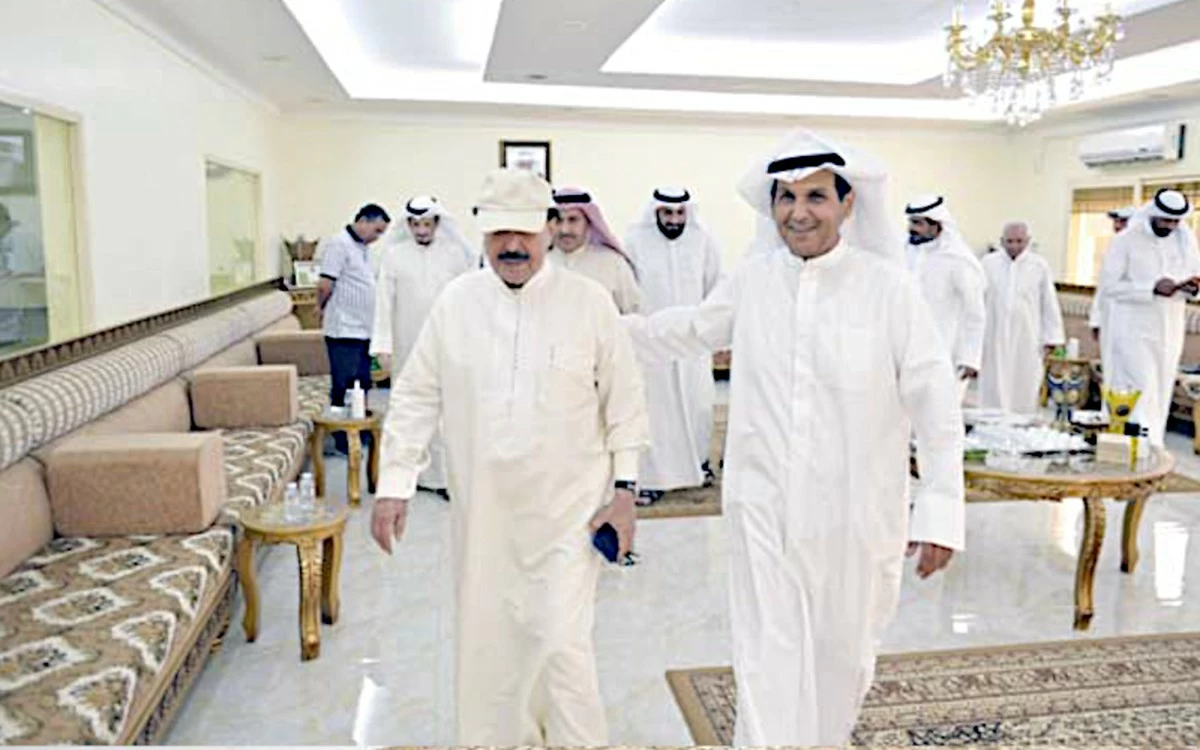
Director of the Agricultural Plots and Agricultural Support Committee at the Public Authority for Agricultural Affairs and Fish Resources (PAAAFR) Rashid Al-Azmi, and a number of farmers, including Dr. Ahmed Zaid Al- Azmi, Abdullah Fahad Ayed, and Sanitan Al-Zoubi, as well as journalist Saud Al-Farhan. At the beginning of the gathering, Al-Adwani thanked prominent journalist Ahmed Al- Jarallah for dedicating a weekly page in Al-Seyassah newspaper to highlighting the achievements of Kuwaiti farmers and shedding light on agricultural affairs. Al-Adwani brought good news to Kuwaiti farmers following the Public Authority for Manpower’s (PAM) renewal of the committee tasked with managing the Kuwaiti Farmers Union. He also announced that the redistribution of subsidized diesel allocations to each farmer, based on the actual needs of their farms, had been approved and would begin within the coming week.
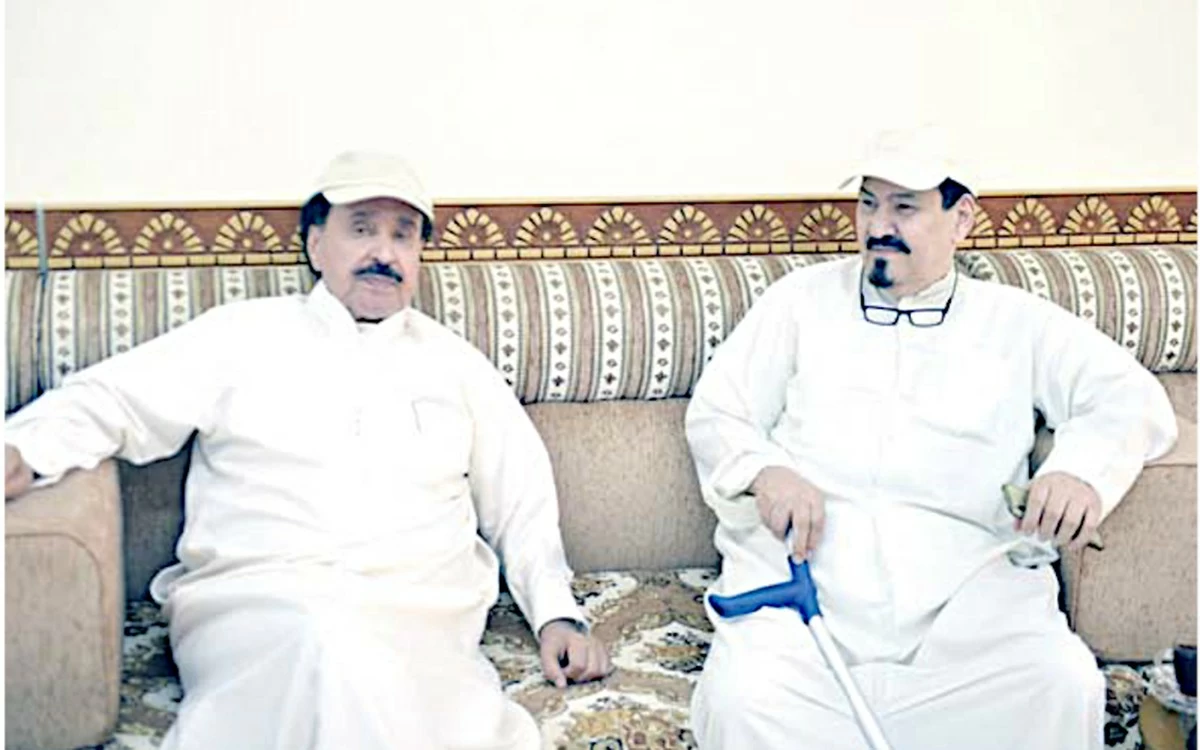
Al-Adwani stressed that the Kuwaiti Farmers Union’s doors are open to all farmers to share their views and suggestions on improving the union’s services in all agricultural sectors. He emphasized that the union and its members are committed to ensuring that the organization remains on the right track. Meanwhile, former Chairman of the Wafra Agricultural Association Dr. Ahmed Zaid Al-Azmi welcomed the Dean of Kuwaiti Journalism, Ahmed Al-Jarallah, and praised the voluntary efforts of the head of the Farmers Union and his colleagues, which have resulted in numerous achievements, most notably an unprecedented surplus in the Kuwaiti Farmers Union’s budget in recent years. He expressed hope that the interim committee managing the union, headed by farmer Ahmed Al-Adwani, would continue to deliver further achievements for Kuwait’s agricultural sector. Al-Azmi commended the prominent role of First Deputy Prime Minister and Minister of Interior Sheikh Fahad Al- Yousef Al-Sabah in supporting the Kuwaiti Farmers Union and its members.
Also, farmer Mohammed Al-Mutairi praised the efforts of the committee managing the Kuwaiti Farmers Union, expressing his appreciation for the distribution of subsidized diesel within two days, as well as the disbursement of overdue agricultural cash support. He also expressed his appreciation for the impact of articles by the Dean of Kuwaiti Journalism, Ahmed Al-Jarallah, which convey the concerns of farmers and agricultural stakeholders to officials. Among the most urgent issues, he noted, is the need to deliver sufficient quantities of treated wastewater to all farms in Al-Wafra and Al-Abdali as quickly as possible. Al-Mutairi emphasized that delays in delivering treated wastewater would exacerbate the difficulties facing Kuwaiti farmers and increase their production costs, particularly amid the steady rise in prices of agricultural materials and supplies. Furthermore, farmer Ahmed Al-Adwani, on behalf of himself and all Kuwaiti farmers, expressed his sincere gratitude to First Deputy Prime Minister and Minister of Interior Sheikh Fahad Al-Yousef, highlighting the diligent efforts he is making with members of the Kuwaiti Farmers Union’s board of directors to resolve the complex issue of treated wastewater.
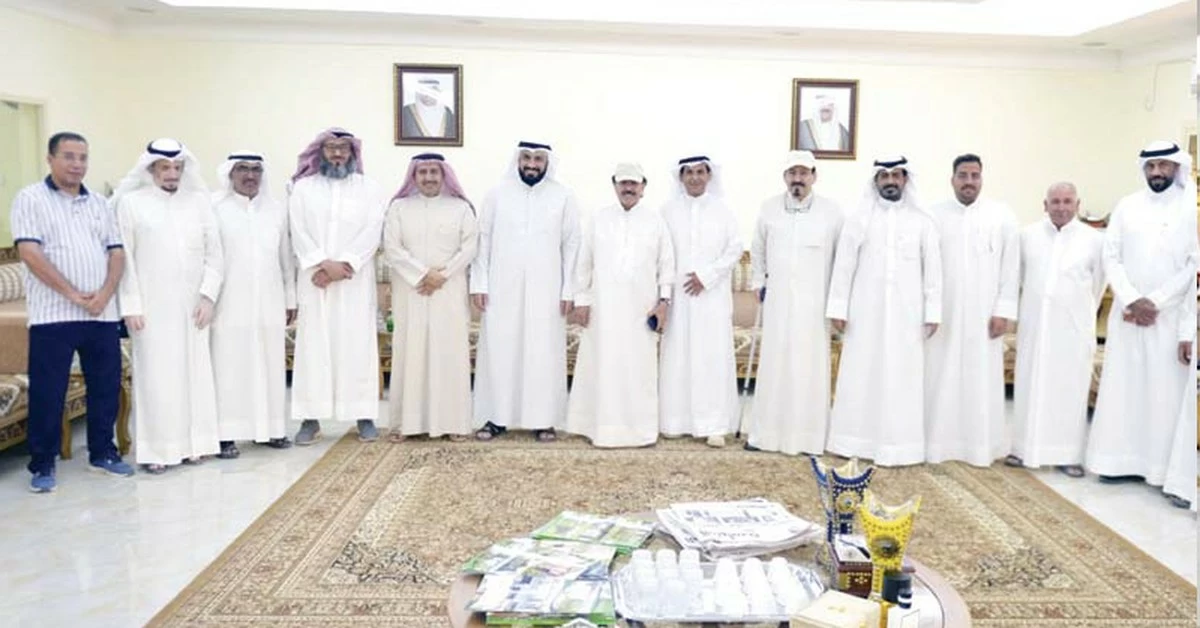
He indicated that addressing the issue requires the construction of a large desalination plant in the heart of the Wafra agricultural area, with the resulting brine discharged into the sea through pipelines. Al-Adwani affirmed that modern science has the capacity to solve every agricultural challenge, but stressed that rapid implementation is essential. He emphasized that the government and relevant officials are making every effort to meet the demands and needs of Kuwaiti farmers. In this regard, Dean of Kuwaiti Journalism Ahmed Abdul Aziz Al-Jarallah called on the relevant agricultural authorities and farmers to permit the establishment of tourism facilities on farms, or agritourism projects, particularly on suitable farms located in remote areas. He highlighted the significant benefits such activities could provide to all residents of Kuwait, both citizens and expatriates, and stressed the need to establish clear regulations and standards to ensure that farm tourism projects serve their intended purpose to the fullest extent. Al-Jarallah also called for the reinstatement of subsidies for green fodder, which would help strengthen and develop Kuwait’s livestock sector. He explained that restoring generous subsidies for each productive date palm in agricultural areas would contribute to advancing Kuwait’s date production, particularly the delicious Barhi variety in the Arab region. The number of productive date palms in Saudi Arabia’s Qassim region has reached approximately 12 million, generating an estimated annual value of around four billion riyals, with dates exported to approximately 100 countries worldwide. Al-Jarallah called on the relevant authorities to grant the necessary licenses for establishing agricultural processing plants on farms to encourage food manufacturing and valueadded agricultural production. He emphasized the importance of learning from the successful agricultural experiences of many Arab and non-Arab countries, particularly Saudi Arabia and Morocco.
Al-Jarallah highlighted that modern agricultural technologies are capable of enabling Kuwait to achieve outstanding and distinctive levels of agricultural production. He noted that a number of farmers have already succeeded in producing a wide range of crops, including strawberries, figs, citrus fruits, bananas, grapes, mangoes, potatoes, garlic, zucchini, okra, squash, eggplant, cowpeas, and others. Al-Jarallah also praised Kuwait’s impressive production of broiler and layer chickens, farmed fish, cattle, sheep, and camels. He indicated that the green fodder cultivation project at Sheikh Salem Hamoud Al-Salem Al-Sabah’s farm in Al-Abdali is a source of pride for Kuwait and its people. Al-Jarallah said the strongest evidence supporting the statement made by the head of the Kuwaiti Farmers Union is that the number of cardboard boxes used for packaging reached 16.4 million in just seven months, in addition to the boxes sold by numerous agricultural companies operating in the Wafra and Al- Abdali farming areas.
He praised the role of Kuwaiti farmers in ensuring the availability of fruits and vegetables in local markets during the COVID-19 pandemic and the recent war. Al-Jarallah said if Kuwaiti farmers were permitted to export a portion of their produce, they would be encouraged to achieve even greater innovation and development in productive agriculture. He noted that Kuwait had previously exported roses and other flowers. Al-Jarallah highlighted that agricultural work in Kuwait, like any other profession, has its successes and failures. He appealed to the relevant authorities not to treat the majority of dedicated and law-abiding farmers in the same manner as the small minority of violators. Al-Jarallah urged the authorities not to deprive all farmers of certain benefits because of violations committed by a few. He emphasized the importance of reconsidering the decision preventing beneficiaries of agricultural plots from disposing of or transferring them to others, whether for agricultural purposes or to introduce new agricultural activities. Al-Jarallah advocated a three-pronged approach to farming that encompasses plants, livestock, poultry, and even farmed fish. He also urged the relevant authorities to intensify agricultural extension services for Kuwaiti farmers, with a particular focus on cultivating varieties that require less water, as is the case in Morocco, where Al-Jarallah practiced agricultural production for many years.