



23/03/2026

Share:
23/03/2026
Share:
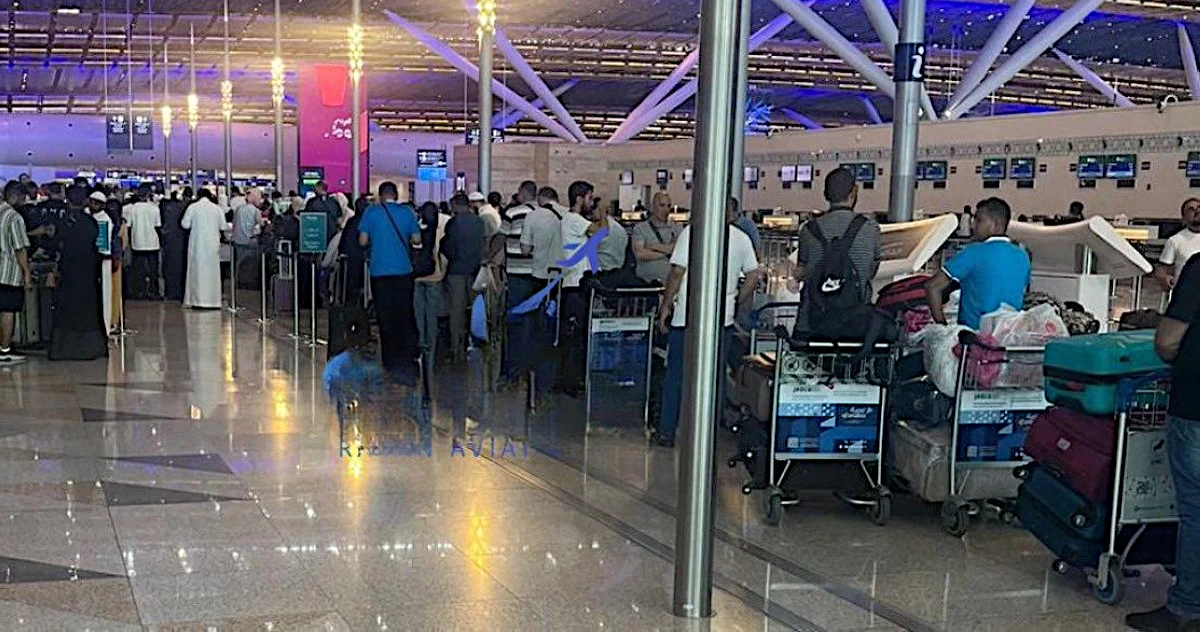

KUWAIT CITY, March 23: Global airlines are grappling with one of the worst crises in recent years, as the ongoing United States–Israel–Iran conflict continues to disrupt air travel and push fuel prices to record highs. International estimates suggest that the top 20 carriers could face losses of around $53 billion, though Mohammed Al-Mutairi, head of the Kuwaiti Federation of Travel and Tourism Offices, told Alseyassah - Arab Times newspaper that these figures remain unofficial and cannot be definitively verified.
Al-Mutairi acknowledged that ticket prices have risen on some routes due to reduced flights and higher demand, but he cautioned that reports of 200% to 300% price increases are largely exaggerated and limited to a few exceptional cases. Rising oil prices, which have exceeded $100 per barrel compared to an average of $70 before the war, have prompted airlines worldwide to add fuel surcharges. Internationally, domestic flight increases in the US and Europe have ranged from 200% to 300%, while in the Middle East, flight disruptions from the war have caused typical increases between 11% and 135%, with some extreme cases approaching 400%.
Gulf airlines have been particularly hard hit, facing widespread flight cancellations, rerouting to avoid dangerous airspace, and soaring fuel costs. Qatar Airways canceled over 80% of its Middle East departures on March 18, while British Airways canceled 65% of flights. These disruptions have contributed to reduced capacity and higher ticket prices, with airlines balancing the challenge of passing costs onto passengers without losing market share.
In the US, a Washington Post report highlighted that a San Francisco–Kansas City flight that previously cost $400–$500 now has a lowest fare of $1,500 after nearly two weeks of disruption. Meanwhile, carriers around the world have responded with fuel surcharges: Hong Kong’s Cathay Pacific added $18–$149 per flight, KLM raised long-haul economy fares by $58, and Thai Airways implemented a 10–15% increase in international fares.
International aviation expert Dr. Samir Raouf, a member of the International Air Transport Association research team, said airlines have limited options to cope with soaring fuel costs without directly affecting passengers. “Measures such as grounding older, less efficient aircraft, reducing flights on some routes, or temporary layoffs can help,” he explained. “However, the quickest solution to offset high fuel costs is to pass them on to travelers, though how they respond to rising prices remains uncertain.”
Al-Mutairi emphasized that while the aviation industry faces unprecedented pressure, reports of extreme fare hikes should be interpreted cautiously, as most increases remain moderate and vary significantly depending on the route and airline. He described the current situation as “the worst aviation crisis since the pandemic,” with Gulf carriers and international airlines alike struggling to maintain operations amid global turbulence in both energy and air travel markets.