



10/03/2026

Share:
10/03/2026
Share:

KUWAIT CITY, March 10: As geopolitical tensions intensify in the region, coupled with the rapid expansion of artificial intelligence (AI) technologies, modern wars are no longer confined to traditional battlefields and have extended into the media and digital spheres, forming what is known as “information warfare.” Dr. Safaa Zaman, President of Kuwait Association for Information Security (KAIS), emphasized that the world is witnessing a significant acceleration in AI development.
In a press statement, she explained that the impact of these technologies is not limited to the economic, health, or educational sectors but has clearly reached the military domain. Modern armies are increasingly relying on intelligent systems for data analysis, decision-making, and the efficient management of military operations.
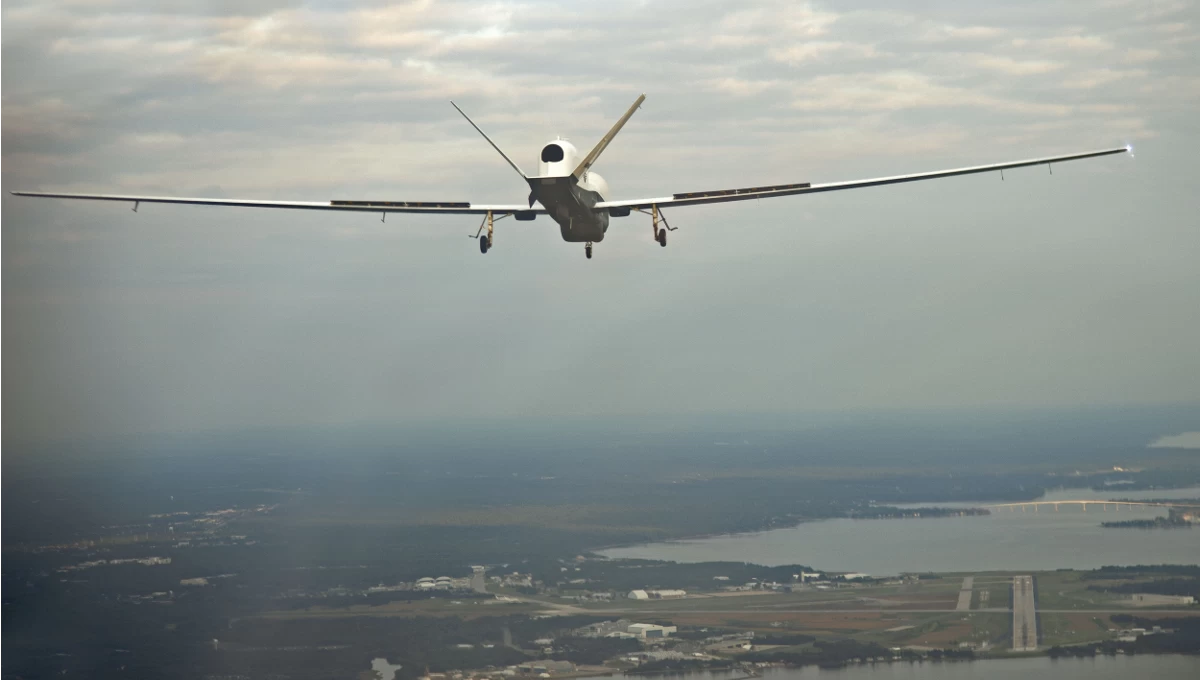
Drones and unmanned systems are among the most prominent applications of AI in modern warfare, as they are now capable of performing reconnaissance, surveillance, and attack missions without putting soldiers in direct danger. Thanks to machine learning algorithms, these systems can rapidly analyze images and field data, giving military commanders greater capacity to make precise tactical decisions.
AI plays a crucial role in intelligence analysis, as modern battlefields generate massive amounts of data, including satellite imagery, communications, and video feeds. Intelligent systems can quickly sort and analyze this information, identifying patterns and potential threats. These technologies have contributed to the development of more accurate target tracking and location systems, utilizing satellite positioning, advanced navigation systems, and military radars.
On the other hand, Dr. Zaman warned that the use of AI in the military raises significant ethical and legal challenges, particularly with the emergence of weapons capable of making semi-autonomous offensive decisions. This raises questions about legal responsibility in the event of errors or the targeting of civilians. She also highlighted concerns about an accelerating arms race in this field. Dr. Zaman affirmed that modern warfare is no longer confined to battlefields but has extended into the media and digital realms, in what is known as “information warfare,” where AI technologies can be used to create fabricated news, images, and videos aimed at spreading fear and confusion within societies.
In this regard, AI consultant and former regional information systems officer at the World Bank and the United Nations, Mohammed Abbas, agreed with Dr. Zaman, noting that escalating geopolitical tensions in the Arabian Gulf have pushed conflicts into more complex digital spaces. He explained that wars no longer rely solely on conventional weapons but have entered the realm of cyber warfare and psychological operations, aimed at destabilizing societies through rumors and disinformation. AI has become a double-edged sword.
While it can enhance cyber defense capabilities, it can also be used as a tool for destabilization through the spread of fabricated news or the manipulation of media content. Technologies such as deepfakes and artificially manipulated videos have become powerful weapons in the hands of hostile actors. These tools can create seemingly realistic videos of political leaders or fabricated security events, potentially inciting panic among citizens and sowing confusion in society.
Abbas noted that the spread of fake news increases significantly during times of crisis, as these technologies may be used to amplify social divisions or undermine official institutions. He stressed the importance of quickly refuting rumors before they spread widely. Abbas emphasized the need to rely on official sources for information, such as government data or accredited news agencies, and the necessity of cross-checking news with multiple reliable sources before sharing it.
6 Tools for Verifying Digital Content
1. Reverse image search - Use search engines like Google Images to trace the source of an image and determine its original publication date.
2. Fact-checking platforms - Follow websites and organizations that specialize in fact-checking and debunking misinformation.
3. Image and video metadata analysis - Examine the technical data of content to identify when it was captured or modified.
4. Comparing news with reliable sources - Verify that the information appears in reputable media outlets or comes from official sources.
5. Analyzing suspicious videos - Use tools that detect clip manipulation or signs of deepfake technology.
6. Follow official accounts - Refer to statements from government agencies and accredited media institutions before sharing any news.
By Marwa Al-Bahrawi Al-Seyassah/Arab Times Staff


